


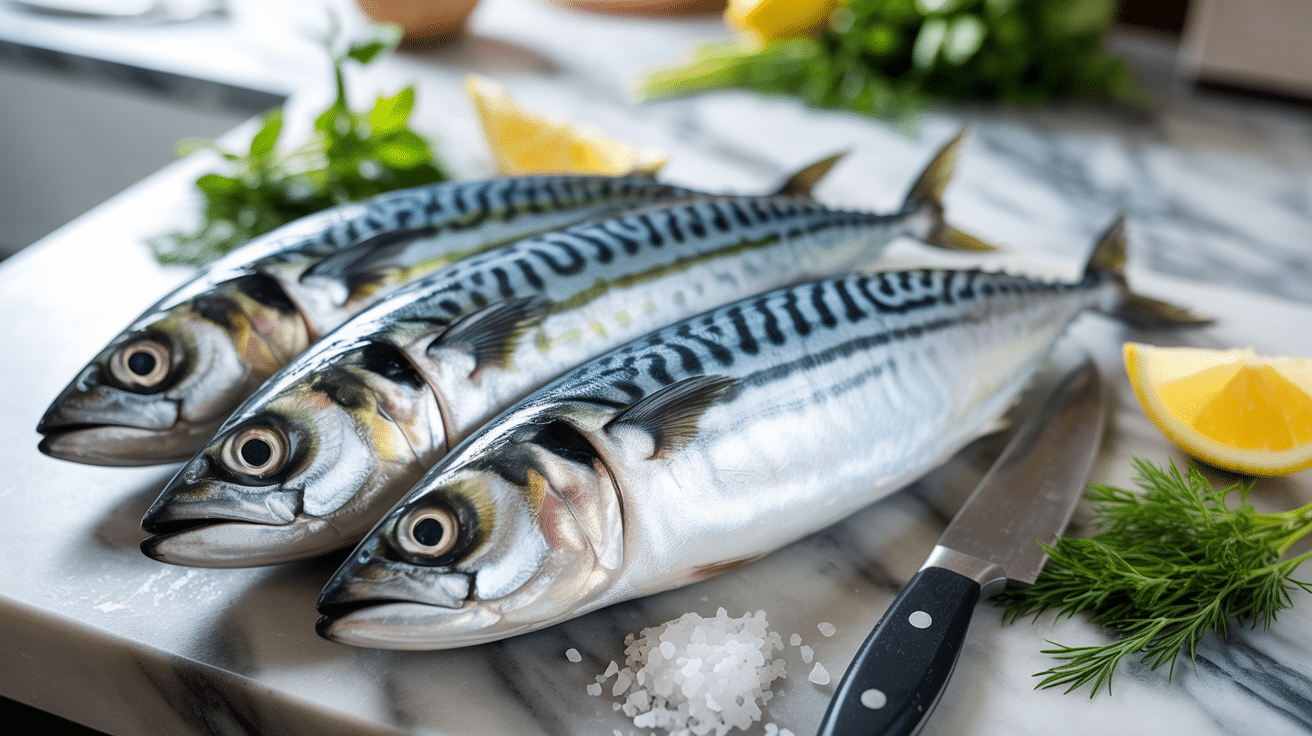
Have you ever walked past the seafood counter and noticed those shimmering, torpedo-shaped fish that seem too good to be true?
Mackerel fish might just be the ocean’s best-kept secret.
This affordable swimmer delivers restaurant-quality taste and impressive health benefits that rival pricier options.
Whether you’re new to seafood or love cooking fish, understanding mackerel opens up a world of delicious possibilities.
Let’s see why this fish deserves your attention.
What is Mackerel Fish?
Mackerel is a fast-swimming ocean fish known for its streamlined body and distinctive metallic blue-green back with wavy dark stripes.
These fish typically measure between 12 to 22 inches long and thrive in temperate and tropical waters worldwide.
What makes mackerel stand out? It’s an oily fish, rich in natural fats, unlike white fish such as cod. This gives it a richer flavor and higher omega-3 content.
Mackerel must swim constantly to breathe since they lack a swim bladder.
They travel in large schools near the surface, feeding on plankton and smaller fish.
The result is firm-textured meat with a bold taste that’s both affordable and nutritious.
Related Read: How to Make Mackarel Patties at Home?
Popular Types of Mackerel Fish
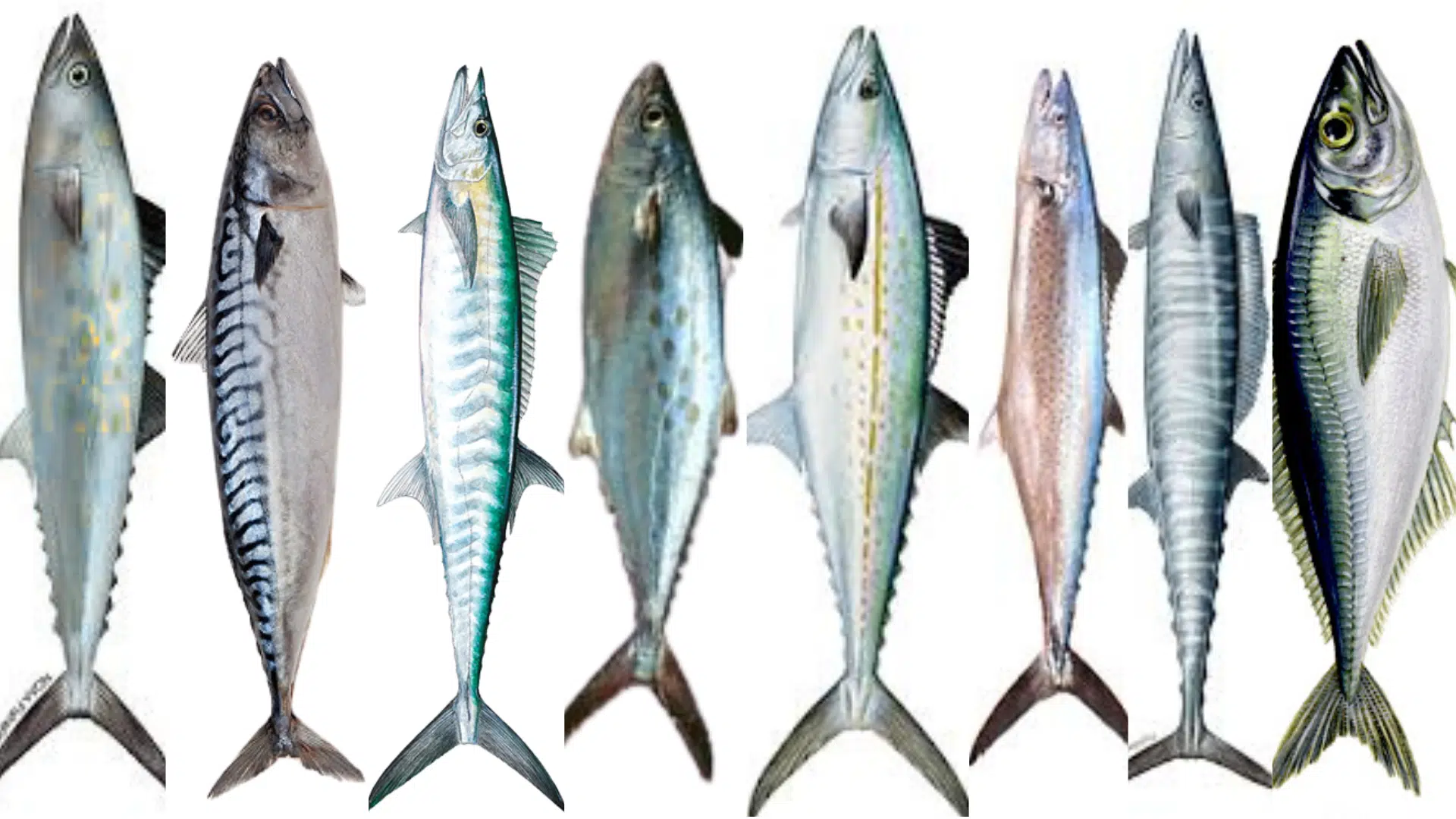
Not all mackerel taste the same, and knowing the differences helps you pick the right one for your meals.
1. Atlantic Mackerel
This is the most common type you’ll find in North American and European markets.
Atlantic mackerel has a milder flavor and beautiful tiger-like stripes along its back, making it a good choice if you’re new to eating this fish.
2. King Mackerel
Also called kingfish, this is the largest variety and can grow up to 40 pounds. King mackerel has a stronger, more pronounced taste and firmer texture.
Larger specimens may contain higher levels of mercury, so enjoy them occasionally.
3. Spanish Mackerel
Spanish mackerel features gold spots along its sides and offers a slightly sweeter taste.
This type is popular in Southern U.S. cuisine and works beautifully when grilled or pan-seared.
4. Chub Mackerel
Found along the Pacific coast, this variety closely resembles Atlantic mackerel but is slightly smaller.
Chub mackerel is budget-friendly, sustainable, and widely used in Japanese cuisine.
5. Cero Mackerel
The cero mackerel sports distinctive yellow stripes and bronze spots along its body. This tropical species has a delicate, sweet flavor that’s less oily than other types.
6. Sierra Mackerel
Common in the Eastern Pacific, the sierra mackerel features bright yellow fins and spots.
It’s a medium-sized fish with mild-tasting flesh that’s popular in Mexican and Central American cooking.
7. Atlantic Horse Mackerel
Despite its name, this isn’t a true mackerel but shares similar characteristics.
Atlantic horse mackerel is commonly found in European waters and is often used in Portuguese and Spanish dishes.
8. Wahoo
The wahoo is the speedster of the mackerel family, reaching speeds up to 60 mph.
This large fish has white, flaky meat with a mild flavor that’s closer to tuna and is highly sought after by sport fishermen.
Each type brings something different to the table, but they all share nutritional benefits worth knowing about.
Nutritional Value of Mackerel Fish
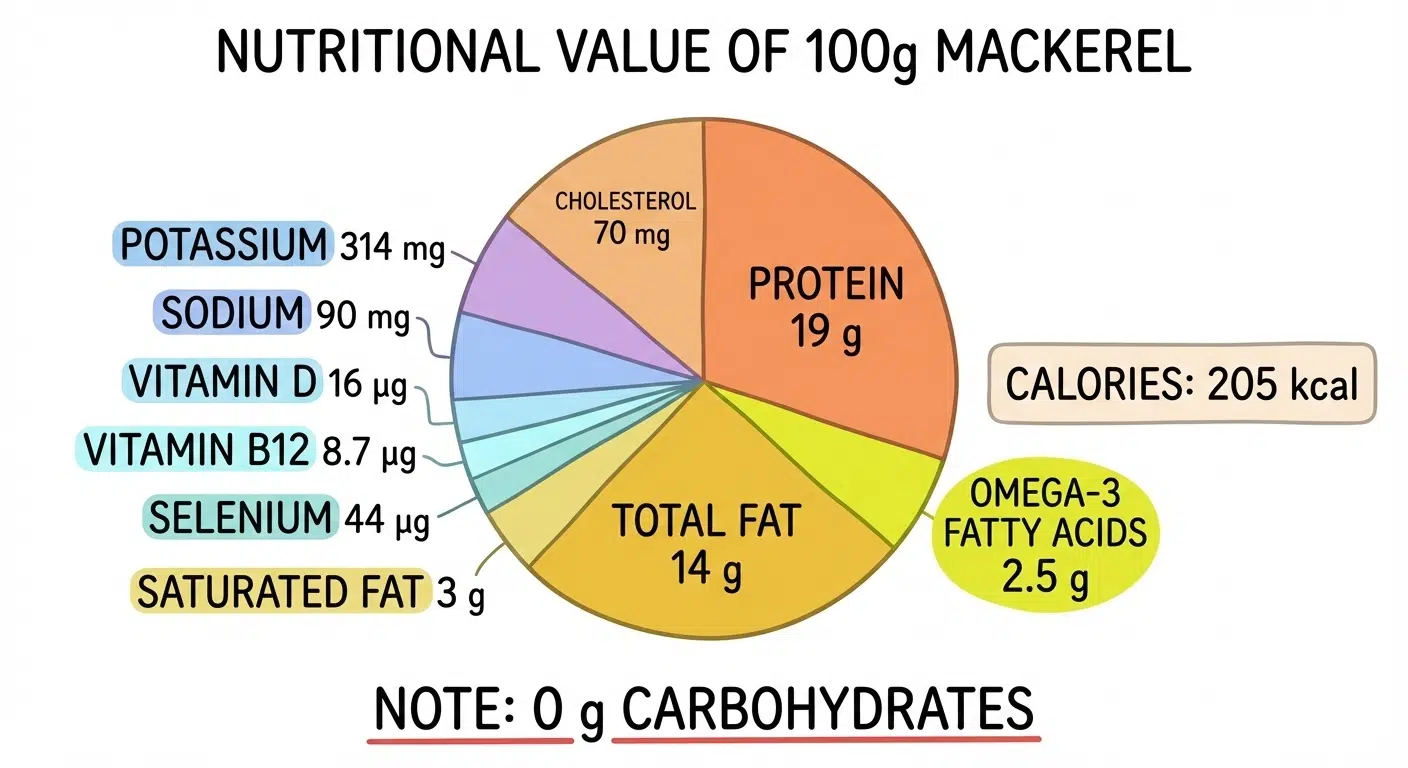
Mackerel punches way above its weight in nutrition, delivering essential nutrients your body needs.
Here’s what you’re getting per 100 g:
Health Benefits of Mackerel Fish
The nutrients in mackerel translate into real advantages for your body.
- Heart health improves: Omega-3s lower triglyceride levels and blood pressure, reducing the risk of heart disease and stroke.
- Brain function gets a boost: DHA supports memory and focus while protecting against mental decline. Kids and pregnant women benefit especially.
- Bones stay stronger: Vitamin D helps your body absorb calcium, preventing osteoporosis.
- Inflammation decreases: Omega-3s act as anti-inflammatory agents. People with joint conditions often notice reduced pain.
- The immune system works better: Selenium protects your cells, while B12 helps produce infection-fighting white blood cells.
- Mood improves: Omega-3s can help manage depression and anxiety symptoms.
- Skin looks healthier: Healthy fats moisturize from within, reducing breakouts.
Risks & Considerations
Mackerel offers impressive health benefits, but it’s not without a few concerns you should know about.
Mercury Levels Vary by Species
Larger species like king mackerel can accumulate higher levels of mercury, which can affect the nervous system.
Pregnant women, nursing mothers, and kids should stick with smaller varieties, such as Atlantic or chub mackerel, instead.
Strong Flavor Takes Getting Used To
The strong, oily flavor can be too intense if you’re used to milder fish. Start with Atlantic or Spanish varieties if you’re new to eating mackerel.
Fish Allergies Are Common
If you have a history of seafood allergies, introduce mackerel cautiously and watch for symptoms like itching or swelling.
Spoilage Happens Quickly
Improperly stored mackerel can cause scombroid poisoning with symptoms like rashes and headaches due to high fat content. Always buy from reputable sources.
Watch the Sodium Content
Canned and smoked versions often contain high levels of sodium, so check labels if you’re watching your salt intake.
Knowing these potential issues helps you make informed choices about selecting and storing your fish properly.
How to Choose and Store Mackerel
Picking fresh mackerel and storing it correctly makes all the difference between a delicious meal and a disappointing one.
Choosing Fresh Mackerel
- Look for bright, clear eyes (cloudy or sunken means it’s not fresh)
- The skin should look shiny and metallic with vibrant colors
- Press the flesh gently. It should spring back quickly
- Fresh mackerel smells like the ocean (avoid fishy, sour, or ammonia smells)
- Fillets should look moist and translucent
Storing Fresh Mackerel
- Use fresh mackerel within one to two days
- Store in the coldest part of your refrigerator, ideally surrounded by ice
- Wrap tightly in plastic wrap, then aluminum foil if freezing
- Frozen mackerel lasts up to three months
Smart Tips for Buying and Storing Mackerel
- Frozen mackerel should have no ice crystals or freezer burn
- Check expiration dates on canned options and look for sustainable brands
- Transfer opened canned mackerel to a glass container and refrigerate for up to three days
With quality fish in hand, you’re ready to turn it into something delicious.
Delicious Methods for Preparing Mackerel
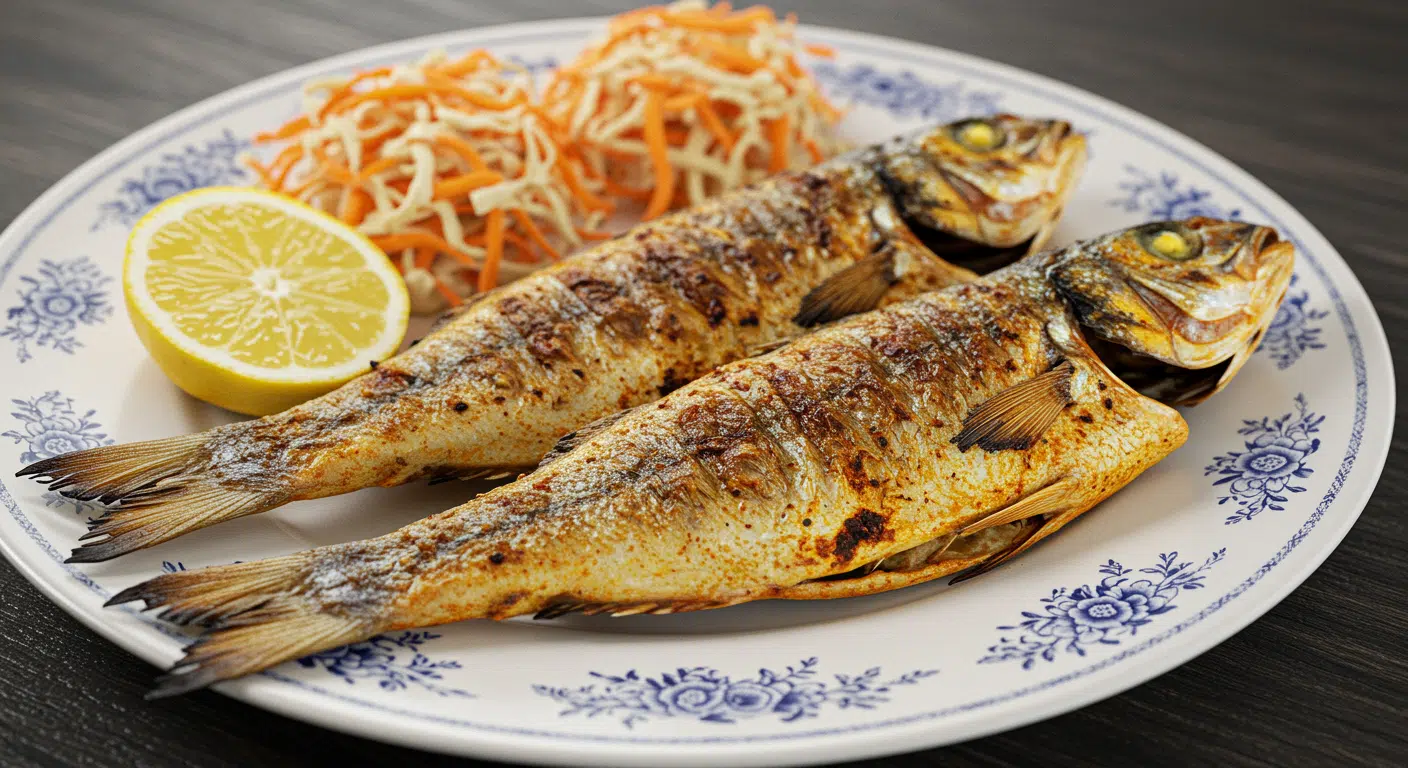
Cooking mackerel properly brings out its rich flavor without making it too greasy.
The key is to use high heat and keep things simple.
Quick Cooking Tips:
- Mackerel cooks fast, so watch the time to avoid drying it out
- The flesh should flake easily with a fork when done
- Season generously with bold spices, citrus, or soy-based marinades
- Use acidic ingredients like lemon juice or vinegar to balance the oiliness
- Don’t overcook or it becomes dry and tough
1. Grilling
Brush the fish with olive oil, season with salt and pepper, and grill for 3 to 4 minutes per side.
The high heat crisps the skin while keeping the flesh moist.
Most Loved Dish: Lemon Herb Grilled Mackerel
2. Pan-Searing
Heat a skillet over medium-high heat with oil. Place the fillet skin-side down and cook for 3 to 4 minutes.
Flip once, then cook for another 2 minutes, until the skin is golden and crispy.
Most Loved Dish:Pan-Seared Mackerel with Mustard Sauce
3. Baking
Preheat your oven to 400°F, place seasoned fillets on a baking sheet, and cook for 12 to 15 minutes.
Add herbs and sliced lemon for extra flavor.
Most Loved Dish:Mediterranean Baked Mackerel
4. Smoking
The oily flesh absorbs smoke flavors wonderfully. Cold-smoke for a delicate taste, or hot-smoke for a cooked, firmer texture.
Most Loved Dish:Hot-Smoked Mackerel with Applewood
Sustainability & Environmental Impact
Mackerel is generally considered a sustainable seafood choice. Atlantic and Pacific mackerel populations are well managed and have healthy stock levels.
These fish reproduce quickly and mature rapidly, helping maintain stable populations even with commercial fishing.
Look for certifications like MSC (Marine Stewardship Council) when buying mackerel to ensure it comes from responsible fisheries.
Avoid king mackerel from overfished areas. Choosing sustainable options supports ocean health and ensures future generations can enjoy this nutritious fish too.
Conclusion
Adding mackerel to your diet means getting premium nutrition without the premium price tag.
From supporting your heart and brain to strengthening bones and improving skin health, this oily fish delivers benefits that few other foods can match.
Whether you grill, bake, or pan-sear it, mackerel’s bold flavor brings restaurant-quality meals to your home kitchen.
Choose sustainable options when possible, and you’re not just feeding yourself well but also supporting healthy oceans.
Give mackerel a try, and you might find your new favorite fish.