

Chef Narendra Panwar’s Alleppey Prawn Curry: A Coastal Indian Classic Worth Mastering
Seafood has a unique challenge that many other ingredients do not. The fresher and more delicate the ingredient, the less room there is for mistakes. Great seafood cooking is not about adding more flavors—it is about knowing when to stop.
That philosophy has guided Chef Narendra Panwar throughout his career.
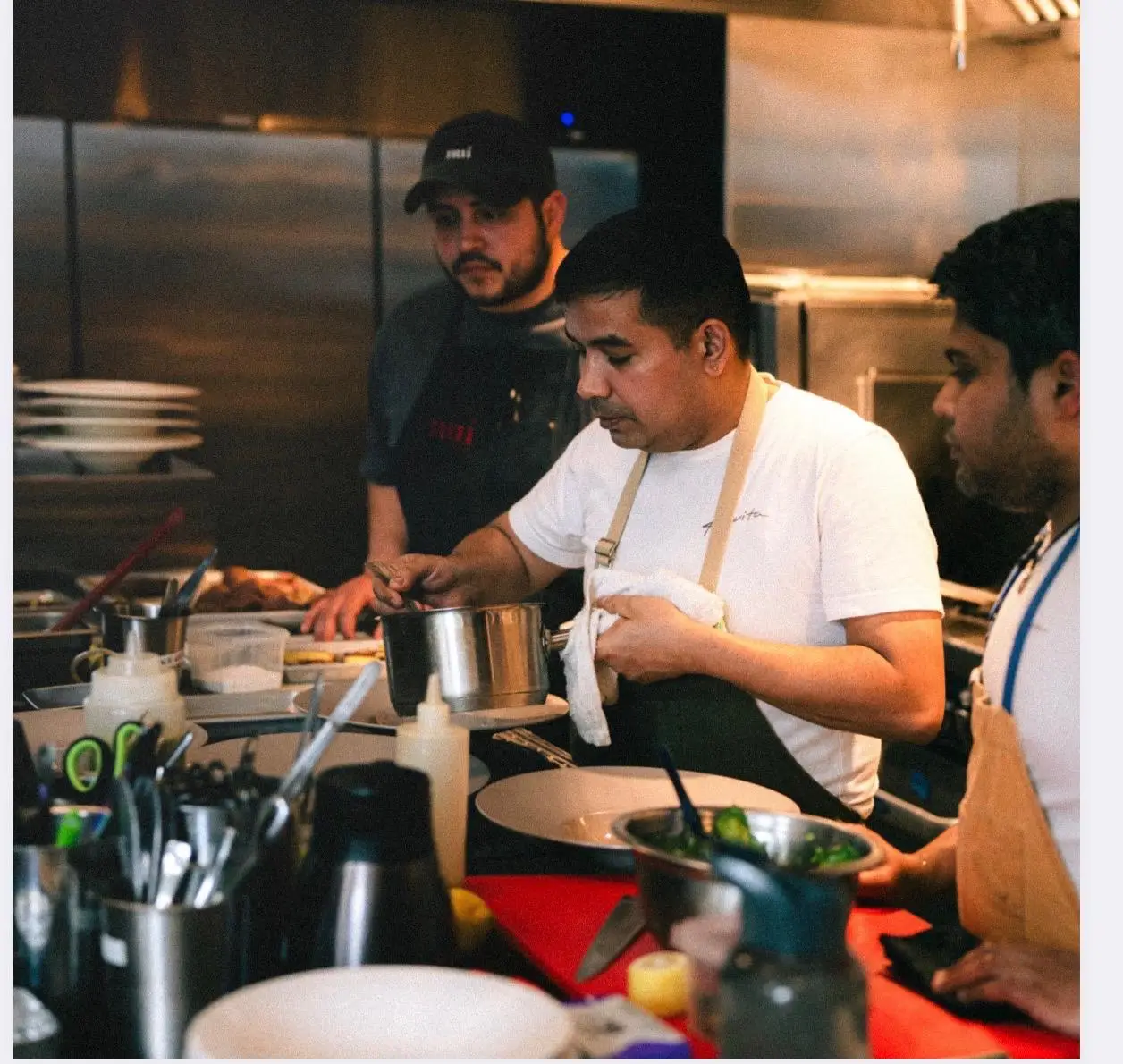
Today, as the Head Chef at Kavita Restaurant in Vancouver, Panwar brings more than two decades of culinary experience to his kitchen. His journey has taken him from the legendary Moti Mahal in New Delhi to international restaurants in Bahrain, Dubai, New York, Toronto, and Canada. Along the way, he worked with Michelin-starred Chef Vineet Bhatia and led Adrak Yorkville in Toronto, where the restaurant earned recognition from the Michelin Guide for two consecutive years.
Despite working across some of the world’s most demanding kitchens, Chef Panwar believes the best dishes often come from respecting tradition rather than reinventing it.
One dish that perfectly reflects this belief is Alleppey Prawn Curry, a celebrated seafood preparation from the coastal state of Kerala.
For Panwar, this dish represents everything he admires about Indian coastal cuisine: balance, simplicity, and a deep understanding of ingredients.
“Many people think Indian food is about adding more spices,” he says. “But the best regional dishes know exactly how much is enough.”
In Alleppey Prawn Curry, the sweetness of coconut milk, the gentle heat of chilies, the freshness of curry leaves, and the natural acidity of raw mango work together without overpowering the prawns. Every ingredient has a purpose.
The quality of your prawns can make or break this recipe. Most home cooks miss a few important freshness signs when buying seafood.
Why Coastal Indian Cuisine Deserves More Attention
Having spent years exploring regional Indian food traditions, Chef Panwar believes coastal cuisines remain some of the most underrated culinary treasures in the world.
While dishes like butter chicken and naan are widely recognized internationally, India’s coastal regions offer a completely different flavor profile—lighter, brighter, and deeply connected to local ingredients.
Kerala, in particular, has mastered the art of seafood cooking through centuries of tradition. Coconut, curry leaves, spices, fresh seafood, and seasonal produce create dishes that feel both comforting and sophisticated.
Alleppey Prawn Curry is one of those timeless recipes.
Chef Narendra Panwar’s Alleppey Prawn Curry (Raw Mango Curry)
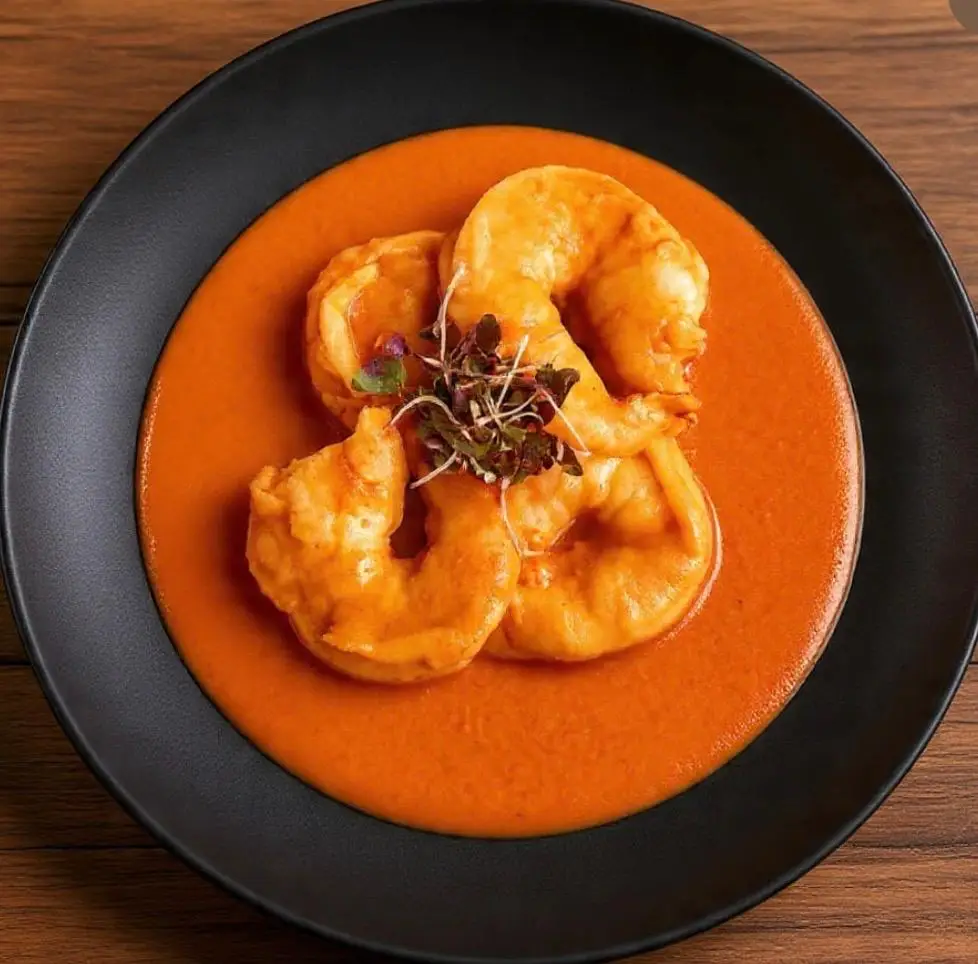
Chef Narendra Panwar’s Alleppey Prawn Curry
Perfect for 4 people.
Ingredients
- 16 to 20 prawns, peeled and cleaned
- 230 g sliced onions (or 180 g sliced shallots)
- 1 medium raw green mango, peeled and sliced
- 1 cup thin coconut milk
- 1 cup thick coconut milk
- 5 tbsp coconut oil or refined oil
- 1 tsp mustard seeds
- 1/4 tsp methi dana (fenugreek seeds)
- 2 green chilies, slit
- 1 tbsp ginger, julienned
- 10–12 curry leaves
- 1 tsp turmeric powder
- 2 tbsp Kashmiri red chili powder
- Salt to taste
Method
- Marinate prawns with a little turmeric and salt for 10 minutes.
- Heat oil in a clay pot or kadai. Add mustard seeds and methi dana. Once the popping slows down, add sliced onion, ginger, garlic, green chilies, and curry leaves. Sauté for 3–5 minutes until the shallots soften.
- Reduce heat. Add turmeric and Kashmiri chili powder. Stir for 30 seconds.
- Add raw mango slices, thin coconut milk, thick coconut milk, and approximately 100 ml water. Add salt lightly and simmer for 4–5 minutes until the mango becomes tender. Taste the gravy.
- Add the prawns and cook for another 3–4 minutes.
Serve With
- Appam
- Matta Rice
Chef’s Note
Before discarding prawn shells and heads, consider turning them into a stock. The shells can add remarkable depth of flavor to rasam, seafood curries, and soups. It is a simple technique professional kitchens use to maximize flavor while reducing waste.
A Dish That Reflects a Chef’s Philosophy
What makes this curry special is not complexity. It is restraint.
Throughout his international career, Chef Panwar has learned that memorable food is rarely the result of doing more. More often, it comes from understanding ingredients well enough to let them shine.
That approach can be seen across his work—from modern Indian restaurants in North America to Michelin-recognized kitchens and now at Kavita Restaurant in Vancouver.
His cooking continues to blend global experience with the values he learned growing up in Uttarakhand: respect ingredients, honor tradition, and never lose sight of the emotional connection people have with food.
In an industry constantly searching for the next trend, Chef Narendra Panwar remains focused on something more enduring.
Great ingredients. Honest cooking. And dishes that tell a story.