

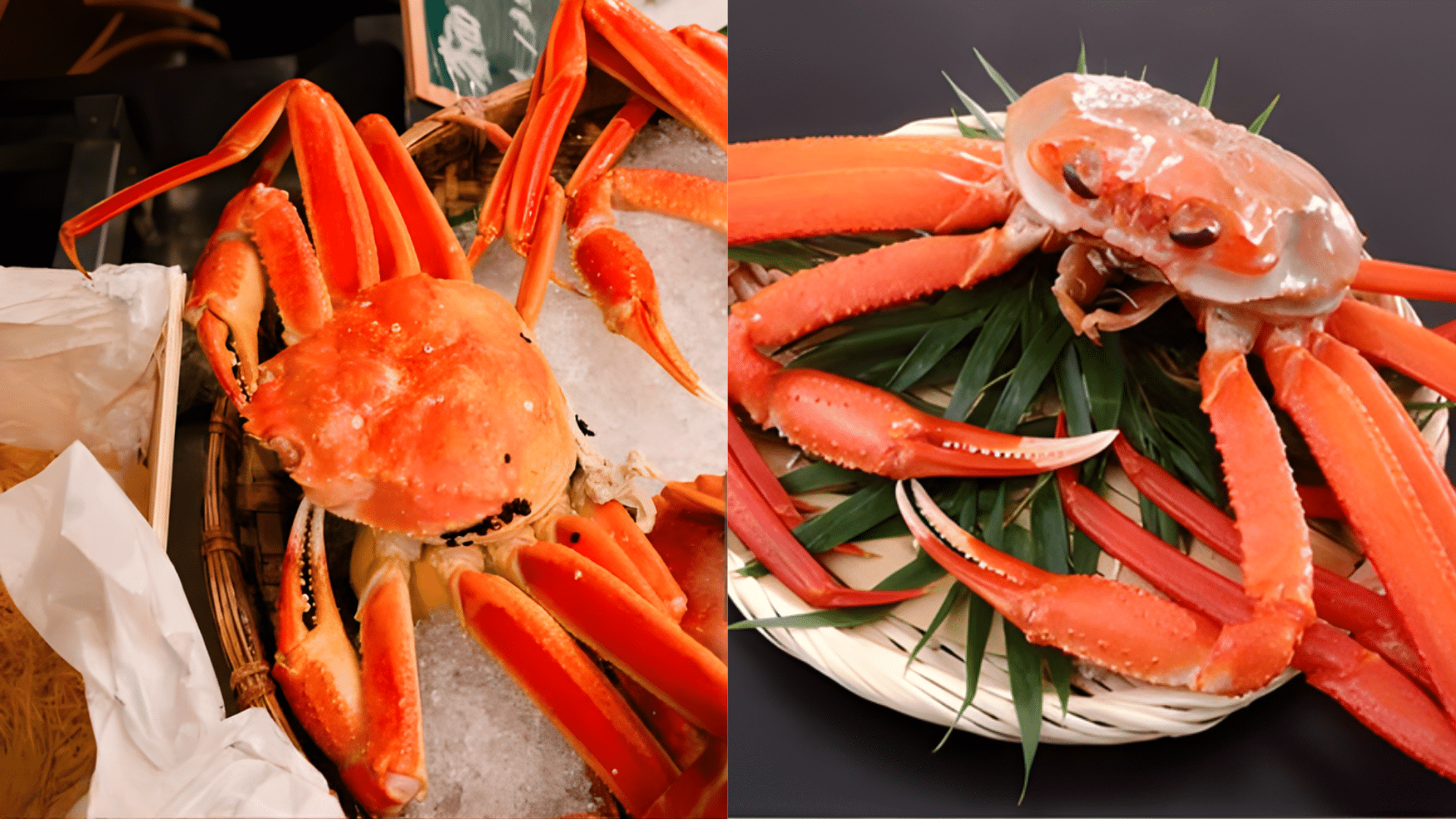
Choosing between crab types at the seafood counter can feel confusing. Shoppers see two options that look similar, but prices and sizes differ.
The bairdi crab vs snow crab debate leaves many people wondering which one offers better value and taste.
Both crabs come from cold waters and share a sweet flavor profile, yet they’re not identical.
This blog will help you understand the key differences between these two popular crabs.
You will learn about size, taste, texture, and price points. By the end, making the right choice becomes simple when shoppers know what sets them apart.
Types of Snow Crabs You Should Know About
When shopping for snow crab, understanding the species behind the label helps you make a smarter, more informed purchase every single time.
These are the two main types you will encounter,
Bairdi Snow Crab
- Richer, sweeter flavor with firm, meaty legs
- The larger of the two, weighing between 2 to 4 pounds
- Caught mainly in the Bering Sea from October to January
- Considered the premium variety, often sold at higher prices
Opilio Crab
- The most common snow crab found in grocery stores and seafood boils
- Smaller and lighter, weighing around 1 to 2 pounds
- Mild, sweet flavor with soft, flaky meat
- Available year-round across North Atlantic and Pacific markets
What are Bairdi and Snow Crabs?
Bairdi and snow crabs both belong to the Tanner crab family, but they are not identical.
Bairdi crabs live in the cold waters of the North Pacific, caught mainly off the coast of Alaska, and have reddish-brown shells.
Snow crabs live in both the Atlantic and Pacific Oceans, making them more widely available.
Among the different types of crabs available at seafood markets, Bairdi stands out for its size and quality.
Knowing the difference between these two crabs directly affects the flavor on your plate and the value in your cart.
For anyone standing at the seafood counter, understanding what you are purchasing is the first step toward a better crab experience.
Bairdi Crab vs Snow Crab – Key Differences
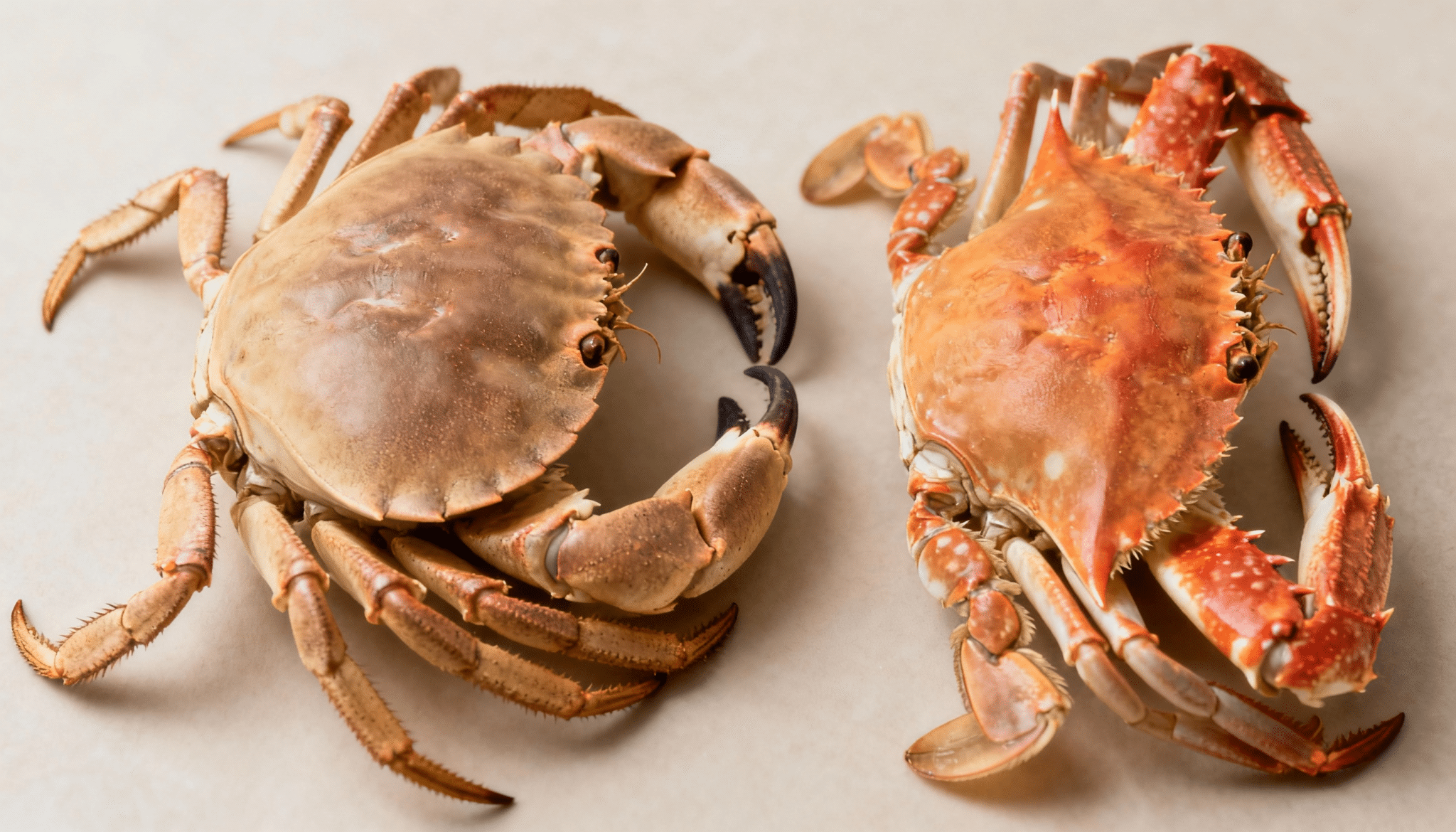
When comparing these two crabs, several factors stand out. Both belong to the same family, but they differ in ways that matter to buyers and cooks.
Knowing these differences helps people choose the right crab for their meals.
1. Taste
Bairdi crabs offer a sweeter, richer flavor. The meat has a buttery quality that stands out.
Many people consider it more flavorful than snow crab. It works well in dishes where crab is the main ingredient.
Snow crabs have a milder, slightly salty taste. The flavor is still sweet but more subtle.
This makes them versatile for a variety of recipes. They pair well with a variety of seasonings and sauces.
Quick Tip: When cooking Bairdi, less is more. A simple steam and drawn butter is all it needs; aggressive seasoning masks the rich, natural sweetness that sets it apart from other crabs
2. Size
Bairdi crabs grow larger than snow crabs. They typically weigh between 2 and 4 pounds. Their bodies are broader and rounder. This means more meat per crab, which appeals to many buyers.
Snow crabs are smaller and lighter. Most weigh about 1 to 2 pounds.
Their bodies are more compact. You’ll need more snow crabs to match the meat yield of one Bairdi crab.
3. Texture
Bairdi crab meat is firm and meaty, holding together well during cooking and making it ideal for grilling or broiling.
Unlike Bairdi crab meat, snow crab meat is slightly softer and more flaky.
It breaks apart easily, which works perfectly for dishes like snow crab salad.
Snow crab’s softer, flakier texture comes from cold-water processing, where frozen and thawed legs release moisture when cracked.
It is not a flaw; it is just how the fiber structure responds.
4. Availability and Season
Snow crabs live in the cold, deep waters of the North Atlantic and North Pacific Oceans, thriving at depths between 100 and 1,800 feet where water temperatures stay close to freezing.
Bairdi crabs have a limited fishing season, caught mainly from October to January, making them less common in markets.
Snow crabs are available year-round with a longer fishing season across multiple regions, keeping prices more stable and supply more consistent
5. Appearance (Shell/Legs)
Bairdi crabs have thicker, sturdier shells. Their legs are shorter and stockier.
The shell color ranges from reddish-brown to purple. The overall build looks more solid and compact.
Snow crabs feature thinner shells that crack more easily. Their legs are longer and more slender. The shell typically appears lighter in color.
The body seems more delicate than that of Bairdi crabs.
Buying Guide
Finding quality crab requires knowing where to look. Both types are available at various retailers, but freshness matters. Smart shopping ensures you get the best product for your money.
Here are key tips for buying and handling these crabs:
- Check local seafood markets first – They often have the freshest options and knowledgeable staff who can answer questions about origin and quality.
- Look for trusted online retailers – Many ship frozen crab directly to your door with proper packaging to maintain freshness during transit.
- Compare prices when deciding on Bairdi crab vs snow crab – Bairdi typically costs more per pound but yields more meat per crab overall.
- Buy frozen during the off-season – Frozen crab locks in flavor and stays good for months when stored correctly in your freezer.
- Ask about the catch date – Fresher is always better, so don’t hesitate to inquire when the crab was harvested or processed.
Which One Should You Choose?

The choice depends on your needs and budget. Bairdi crabs are best for rich flavor and don’t mind spending more.
They’re perfect for special occasions or when crab is the star of the meal. The larger size means less work cracking shells for the same amount of meat.
Snow crabs suit everyday meals and tighter budgets. Their milder taste works well in mixed dishes like pasta or soups. The lower price point makes them accessible for regular cooking. They’re easier to find year-round, too.
Consider what you’re cooking. Grilled or steamed crab legs benefit from Bairdi’s firm texture.
Crab cakes or dips work fine with snow crab’s flaky meat. Both deliver quality seafood experiences. Your personal preference matters most in the end.
Dungeness Crab vs Snow Crab vs Bairdi Crab
Not all crabs are created equal.
Dungeness is the meaty, nutty option from the Pacific Northwest.
Snow crab is mild, sweet, and easy to crack by hand. Bairdi is the premium pick, larger and sweeter than snow crab with a rich, succulent bite that stands out.
| Feature | Dungeness | Snow (Opilio) | Bairdi |
|---|---|---|---|
| Origin | Pacific Northwest | North Atlantic & Pacific | Bering Sea |
| Flavor | Nutty and savory | Sweet and delicate | Extra sweet and rich |
| Texture | Firm and tender | Fibrous and shreddy | Succulent and firm |
| Meat Ratio | High (25% edible) | Low (mostly legs) | Very high |
| Shell | Hard | Thin, easy to crack | Moderate |
| Best For | Crab cakes and stews | Everyday meals | Gourmet dishes |
Bairdi Crab Legs vs Snow Crab Legs
Having worked with both at the seafood counter, the difference in size, meat yield, and flavor is something you notice immediately.
Bairdi Crab Legs
- Thicker, longer, and meatier, with a high meat yield per leg
- Firm, buttery, and rich in flavor, best steamed or grilled
- A sturdy shell requires a cracker
- Premium priced, but fewer legs are needed for a full meal
Snow Crab Legs (Opilio)
- Thinner and lighter with softer, flakier meat
- Mild, sweet flavor that pairs well with seasonings and sauces
- Thin shell cracks easily by hand, great for casual boils
- Budget friendly and available year-round
Pro Tip: Most grocery stores label both Bairdi and Opilio simply as “snow crab legs,” so always check leg thickness and shell weight before buying to make sure you are getting the quality you are paying for.
Summing it Up
Now you know the Bairdi crab vs snow crab differences clearly.
Both crabs bring something valuable to your table in terms of flavor, price, and versatility.
Your final choice comes down to budget and taste preferences. Don’t be afraid to try both types.
Each has its own strengths in different recipes. Visit your local seafood market and ask questions.
Ready to cook? Grab some melted butter and get started. Your taste buds will thank you.
Frequently Asked Questions
1. How Many Clusters is a Pound of Snow Crab Legs?
One pound of snow crab legs typically contains one to two clusters, depending on the size of the crab.
2. How Long Do You Boil Frozen Snow Crab Legs?
Boil frozen snow crab legs for 8 to 10 minutes, until heated through and fragrant.
3. Can You Freeze Leftover Crab Meat?
Yes, cooked crab meat can be frozen for up to three months when stored in an airtight container.
4. Is Crab High in Cholesterol?
Crab contains moderate cholesterol levels but is low in saturated fat, making it a heart-friendly protein in reasonable portions.
5. Can You Eat Bairdi Crab Raw or as Sushi?
Bairdi crab is best served cooked; consuming it raw carries a risk of harmful bacteria and parasites.