

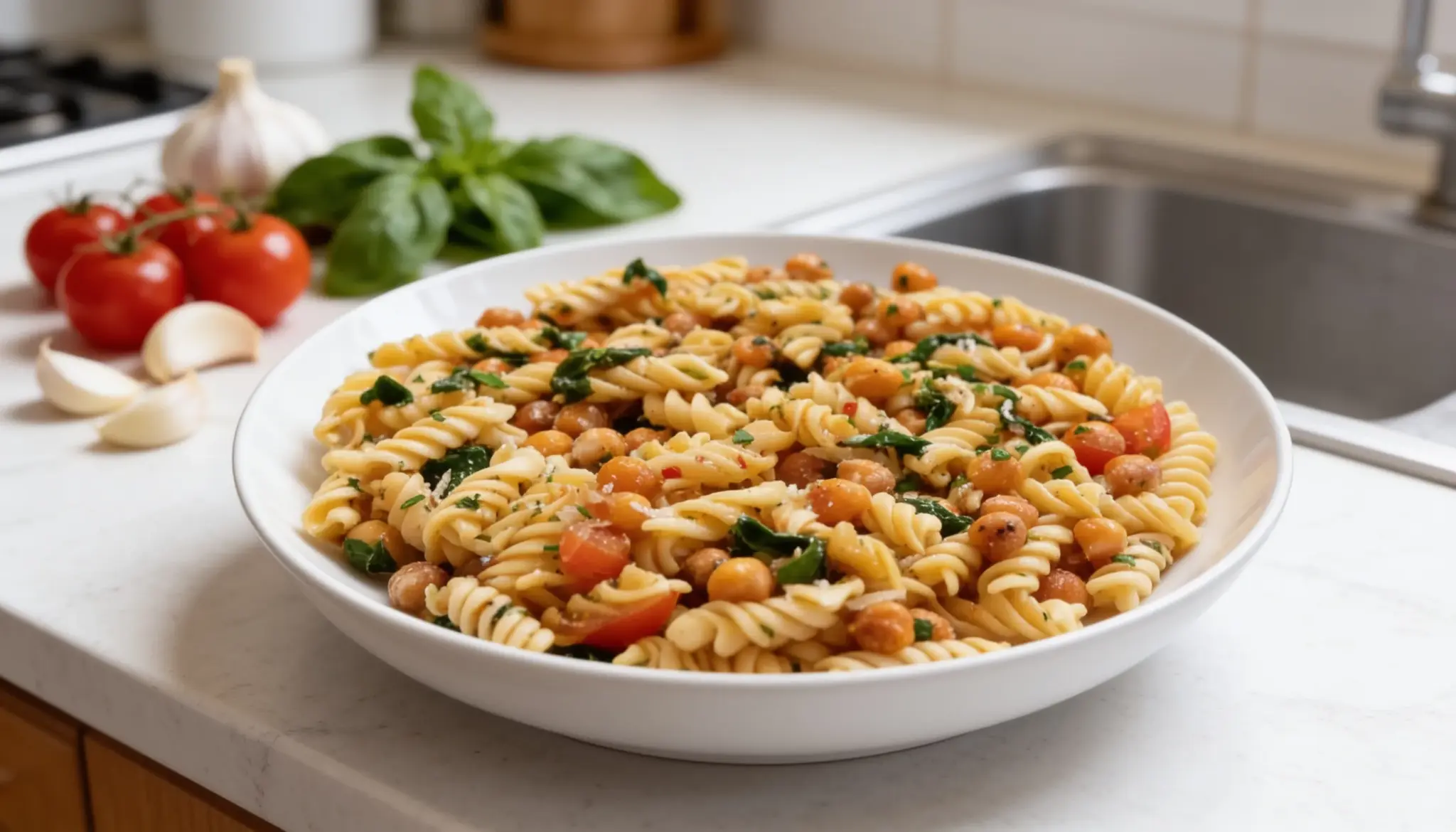
Chickpea pasta lines grocery shelves in spirals, shells, and penne shapes. The label promises protein and fiber, but the claims can feel confusing.
Sorting fact from marketing takes a little digging, and most people just want a straight answer.
This manual breaks down chickpea pasta nutrition in plain terms.
It covers protein, fiber, carbs, and how they compare to wheat pasta. It also looks at popular brands and the shapes worth trying first.
What is Chickpea Pasta?
Chickpea pasta is made by grinding dried chickpeas into flour, then shaping that flour into noodles.
Some brands use only chickpea flour.
Others blend in lentils, peas, or a little tapioca to hold the shape. Either way, no wheat goes into the classic versions.
And for gluten-free eaters, it’s an amazing try.
The texture is a bit firmer than regular pasta, with a mild, slightly nutty taste. It comes in the usual shapes, such as penne, rotini, and spaghetti.
And if you’re a fan of dungeness crab and pasta, try this dungeness crab pasta dish….
Chickpea Pasta Nutrition Facts
Chickpea pasta serves up as a star for a pantry swap. A standard portion is 2 ounces (57 grams) dry, which cooks up to about one cup.
| Nutrient | Per 2 oz (57g) dry serving |
|---|---|
| Calories | 190 to 210 |
| Protein | 11 to 15 grams |
| Total carbs | 32 to 35 grams |
| Fiber | 5 to 8 grams |
| Total fat | 3 to 3.5 grams |
| Sugar | 1 gram |
| Iron | around 17% of the daily value |
| Potassium | around 11% of the daily value |
Banza chickpea penne, one of the most common brands, lists 190 calories, 35 grams of total carbs, 5 grams of fiber, and 11 grams of protein per 2-ounce dry serving.
Chickpea pasta provides more protein, fiber, and iron than white or whole wheat pasta.
Is Chickpea Pasta Healthy? Key Benefits
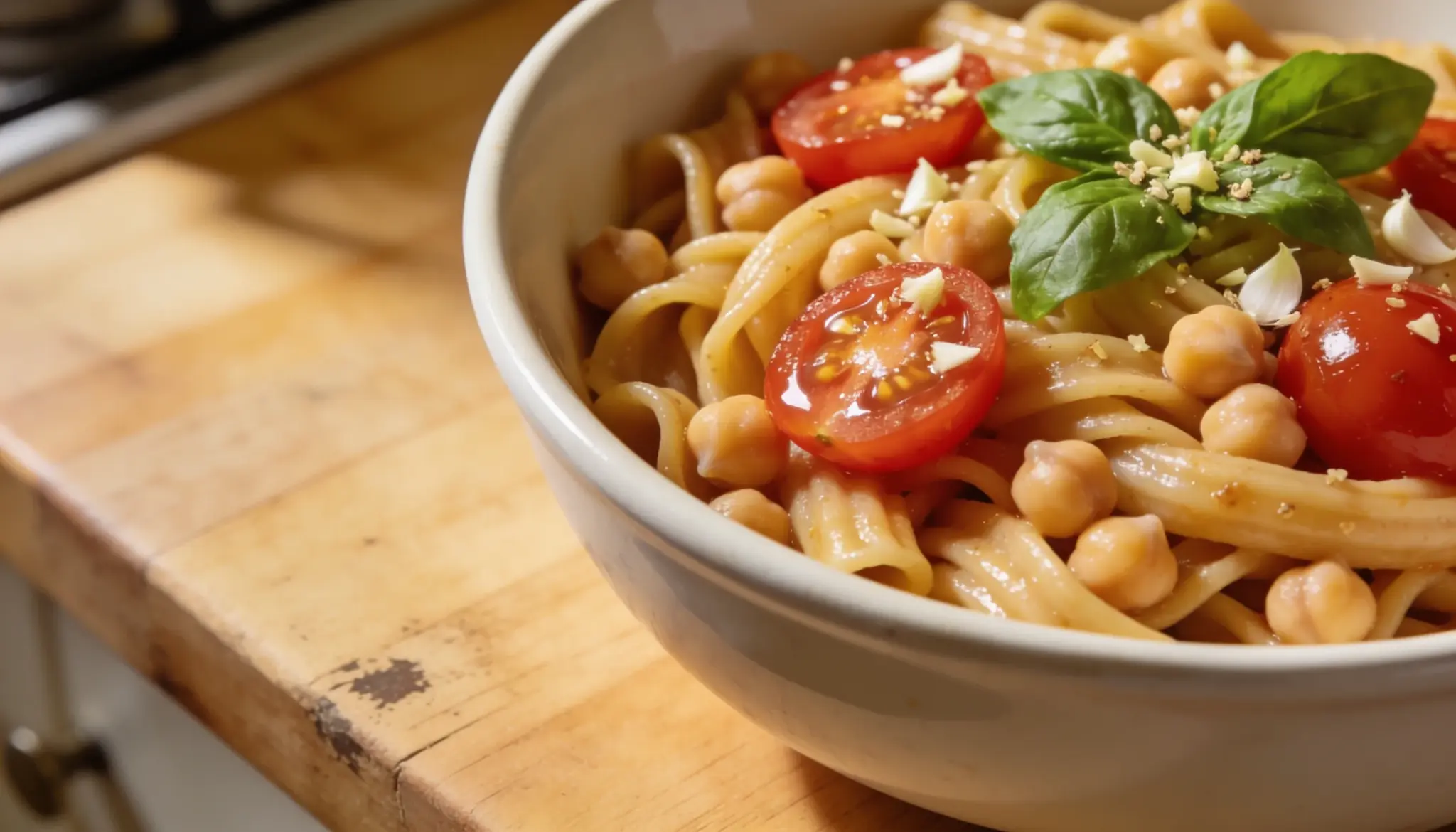
Chickpea pasta contains more protein and fiber than regular pasta, helping you stay full and providing steady energy.
Being gluten-free is a plus for anyone with celiac disease or a wheat sensitivity.
Steadier Blood Sugar: The fiber and protein in it slow digestion, which slows the release of sugar into the bloodstream.
Better Gut Health: It is a good source of soluble fiber, which forms a gel during digestion, slowing digestion.
Support for the Heart: Eating it more than 3 times a week is associated with a 35% lower risk of heart disease.
Help With Weight Goals: More protein and fiber mean you feel full for longer, supporting weight management.
One serving packs 11-15 grams of protein. That makes chickpea pasta a handy pick for vegetarians and vegans.
Chickpea Pasta: All Shapes and Varieties
Chickpea pasta now comes in nearly every shape wheat pasta does. That makes swapping it into a favorite recipe easy.
1. Penne and Rigatoni
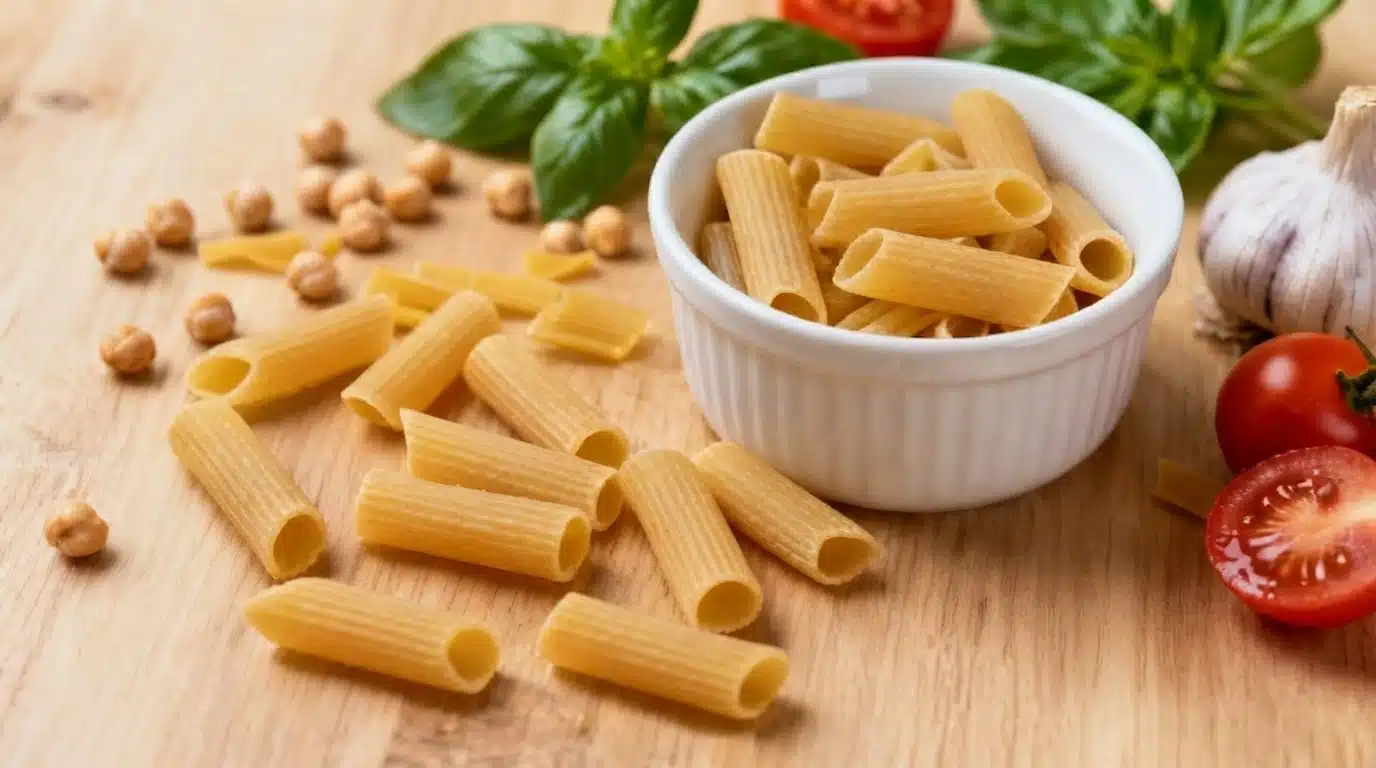
Penne is the most stocked chickpea shape and a smart first buy.
Rigatoni and ziti sit in the same family, with wider tubes. These hold sauce inside the ridges and cook close to wheat pasta.
They also bake well without falling apart.
2. Twists and Spirals
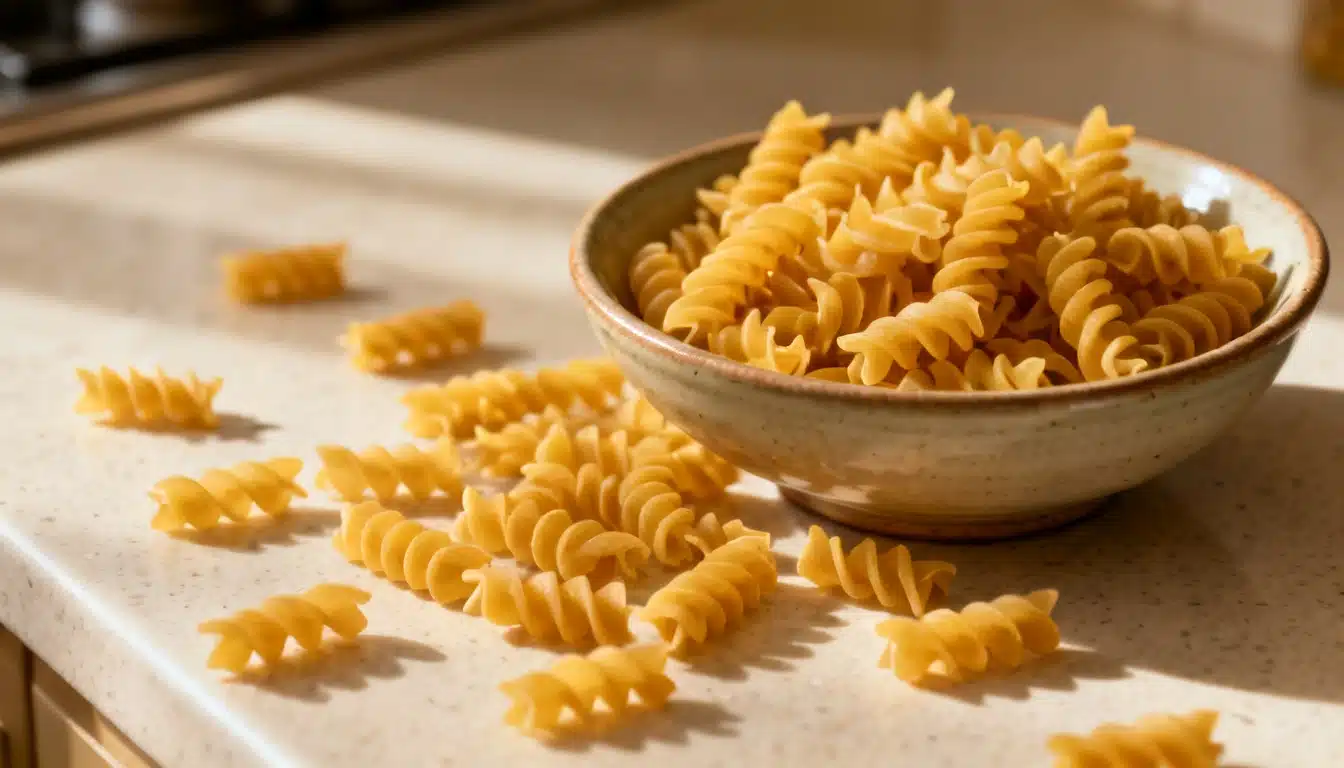
Rotini and spirals are the grippers of the group. Their tight twists catch chunky, hearty sauces better than smooth shapes.
Banza rotini ranked as the best chickpea rotini in one taste test. It is a solid pick for pasta salads too.
3. Shells and Elbows
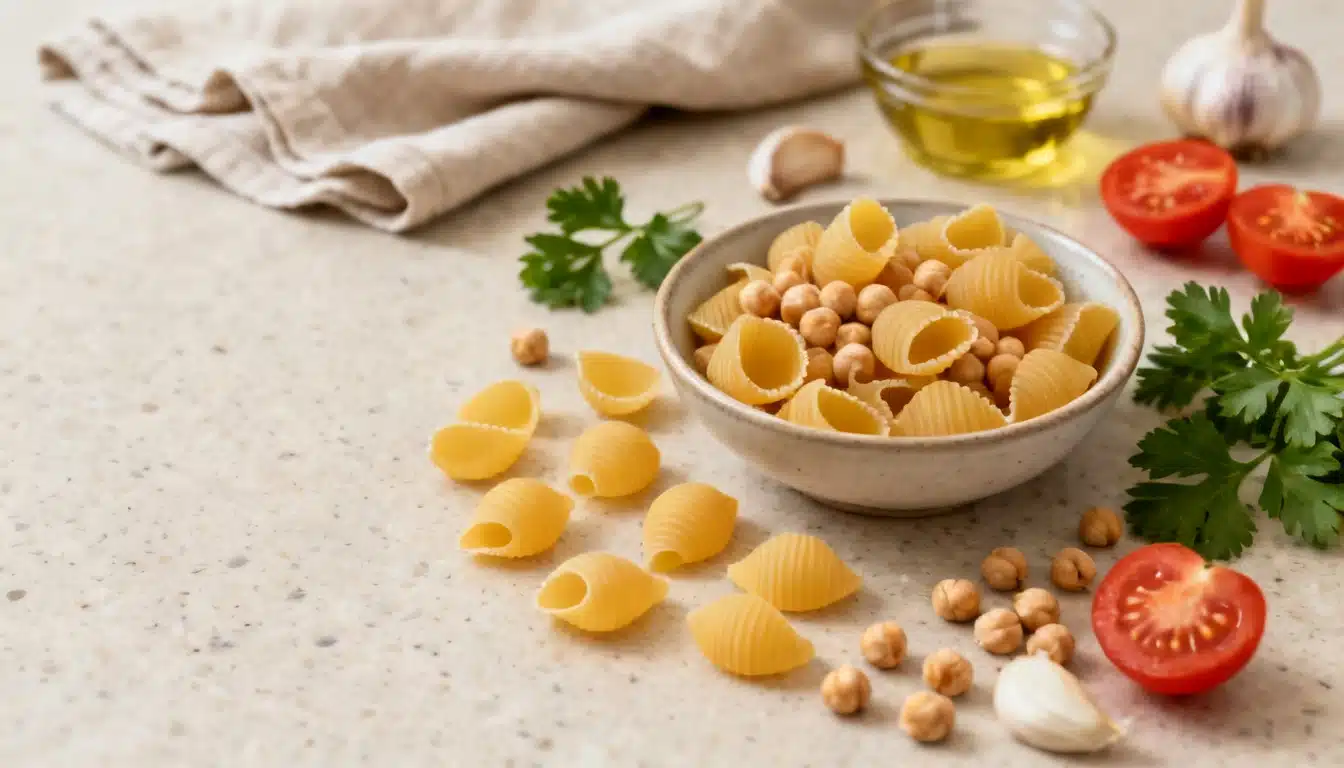
Shells and elbows shine in baked dishes and mac-style meals. The small curves scoop up cheese sauce with every bite.
Both cook fast, so watch the timer to avoid a grainy texture. They work great for kid-friendly dinners.
4. Long Strands
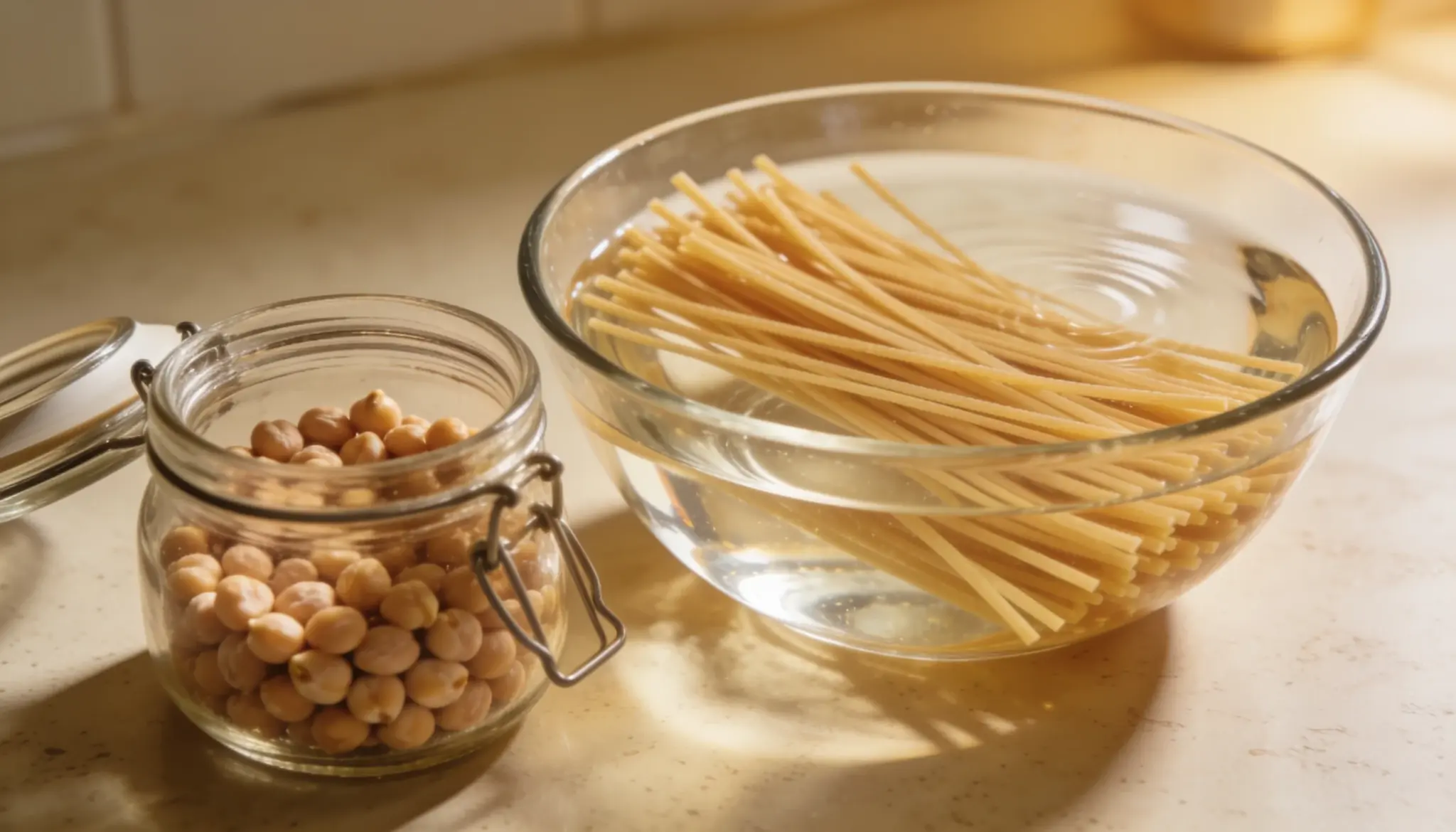
Spaghetti, linguine, and angel hair cover the classic bowls. They twirl much like wheat versions, though the bite runs a little firmer.
Banza spaghetti scored as the best chickpea spaghetti in testing. Pair it with a bold sauce for the best result.
Chickpea Pasta vs Regular Pasta
| Nutrient (per 2 oz / 57g dry) | Chickpea pasta | Regular white pasta |
|---|---|---|
| Calories | 190 to 210 | around 200 |
| Protein | 11 to 15 grams | around 7 grams |
| Total carbs | 32 to 35 grams | 42 to 45 grams |
| Fiber | 5 to 8 grams | 2 to 3 grams |
| Total fat | 3 to 3.5 grams | around 1 gram |
| Gluten | None | Contains gluten |
| Glycemic impact | Lower | Higher |
Best Chickpea Pasta Brands and Products to Try
A handful of brands lead the chickpea pasta aisle. You need to go get these before they sell out everywhere!
Banza
Banza is the best-known chickpea pasta brand, sold at Whole Foods, Target, Sprouts, and Kroger. These shapes use four ingredients: chickpeas, pea starch, tapioca, and xanthan gum.
Its rotini and spaghetti both topped in one taste test. The bright orange box is easy to spot on the shelf.
Barilla
Barilla makes a single-ingredient chickpea line, built from just chickpeas. It offers about 11 grams of protein and 8.5 grams of fiber per serving, with no added starches or gums.
The chickpea taste comes through stronger here. It works well in both hot dishes and cold pasta salads.
Chickapea
Chickapea keeps things simple with organic chickpea and lentil blends.
The spirals carry a nutty, slightly cheesy flavor that testers liked and are a good pick for anyone who wants a shorter ingredient list.
Tolerant
Tolerant uses just chickpeas and a larger 3-ounce serving, which delivers 17 grams of protein and 9 grams of fiber, more than most rivals per serve.
That makes it a strong first try for gluten-free shoppers. Look for it at Natural Grocers and online.
Easy Chickpea Pasta Cooking Recipes
Chickpea pasta works in almost any dish that calls for wheat pasta. The swap is easy, and a good sauce hides its nutty edge.
It fits weeknight dinners, meal prep, and cold lunches alike.
- Chickpea pasta with tomato sauce, made from fresh tomatoes, garlic, and olive oil for a light, high-fiber meal that comes together fast.
- Chickpea pasta salad, tossed with cherry tomatoes, cucumber, and bell peppers, dressed with a homemade vinaigrette, then chilled for a cold lunch.
- Chickpea pasta with roasted vegetables like broccoli, Brussels sprouts, and sweet potato, finished with a drizzle of olive oil for extra flavor.
Each one pairs the pasta with veggies and a light sauce that keeps the meal balanced.
Cook the pasta a minute under the box time, since chickpea noodles soften fast.
Bottom Line
So the right answer to is chickpea pasta healthy is a clear yes for most people.
It carries more protein and fiber than regular pasta, plus fewer carbs and no gluten, and those extras support fullness, steady blood sugar, and better digestion.
It costs a bit more, but for a first box, Banza penne or rotini makes the easiest starting point.
Grab one on the next grocery run and swap it into a favorite recipe.
Frequently Asked Questions (FAQs)
1. How do You Keep Chickpea Pasta From Getting Mushy?
Cook it a minute under the box time and drain quickly once it reaches a firm bite.
2. Is Chickpea Pasta Safe for People With Celiac Disease?
Yes, classic versions use only chickpea flour, so they contain no wheat or gluten.
3. Is Chickpea Pasta Good for Weight Loss?
It can help, since the high protein and fiber keep you full and may cut calorie intake.
4. How Much Protein is in 1 Cup of Cooked Chickpea Pasta?
About 11 to 15 grams, since one cup cooked matches a 2-ounce dry serving.