

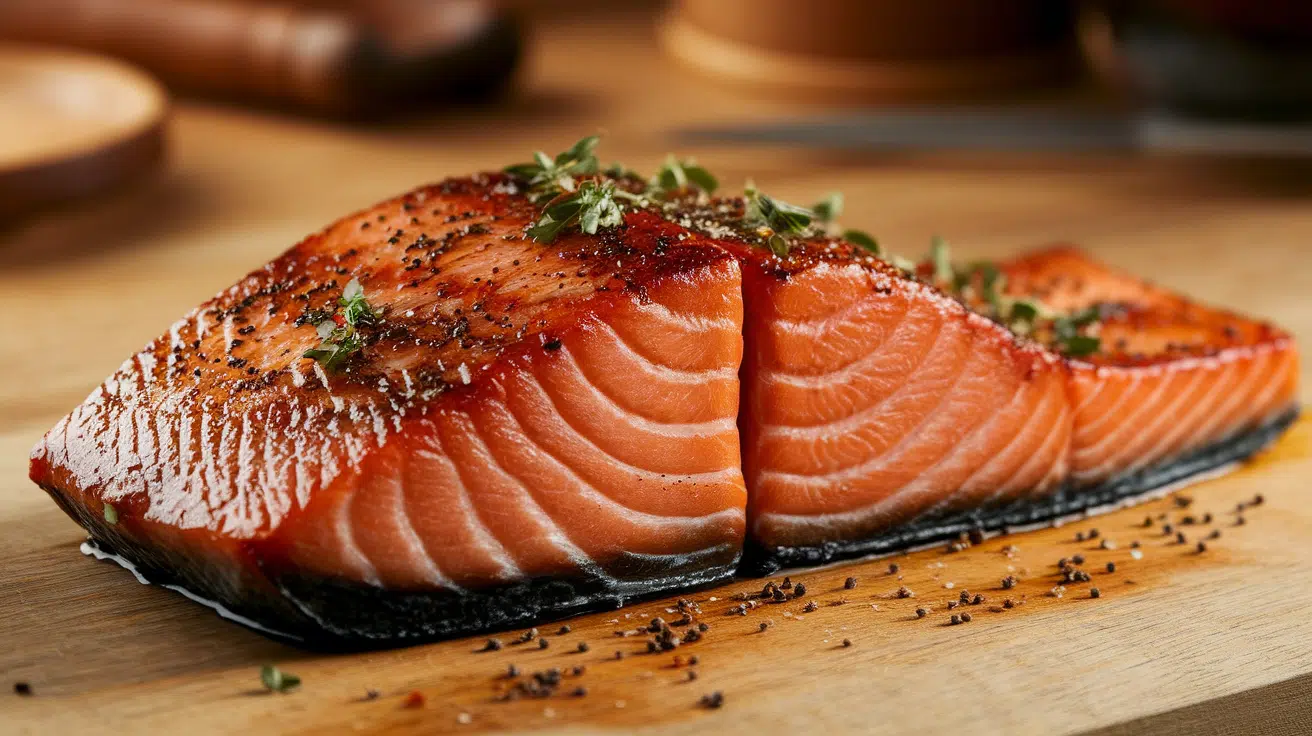
When you cook salmon, it’s like watching a magic trick happen right in your kitchen!
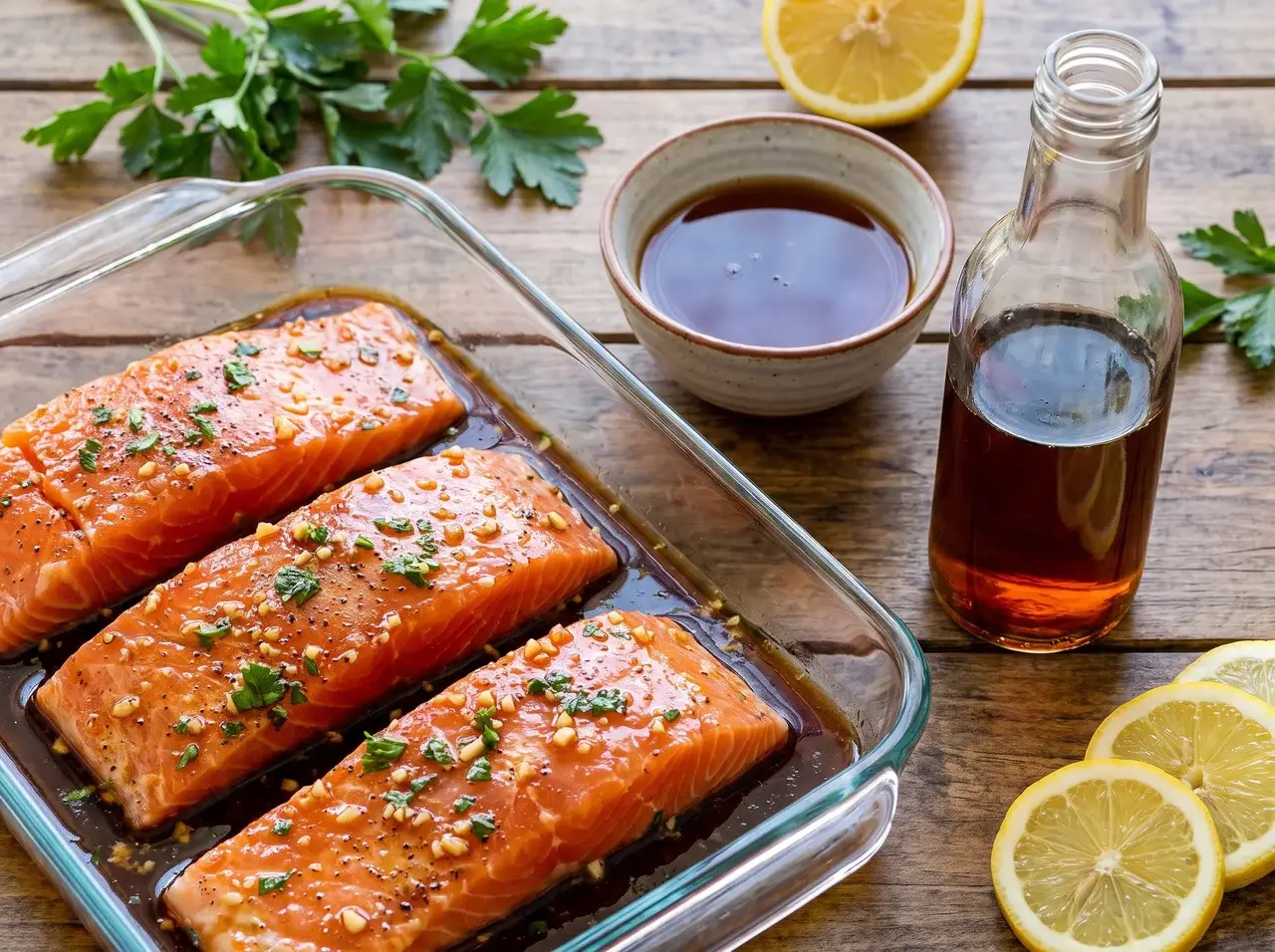
The raw fish starts out deep pink. Then, as it heats up, the color slowly changes, from bright pink to light pink and finally to a pale pink or soft brown.
These color changes aren’t just for looks; they tell you how cooked your salmon is.
Dark pink means it’s still raw or just starting to warm up. Lighter colors mean the fish is cooking through and getting tender and flaky.
When your salmon turns a soft, even pink with a little golden edge, it’s just right, cooked perfectly, moist, and super tasty.
What Affects the Colour of Cooked Salmon?
The colour of cooked salmon is affected by several factors, ranging from the method of cooking to the type of salmon you’re working with.
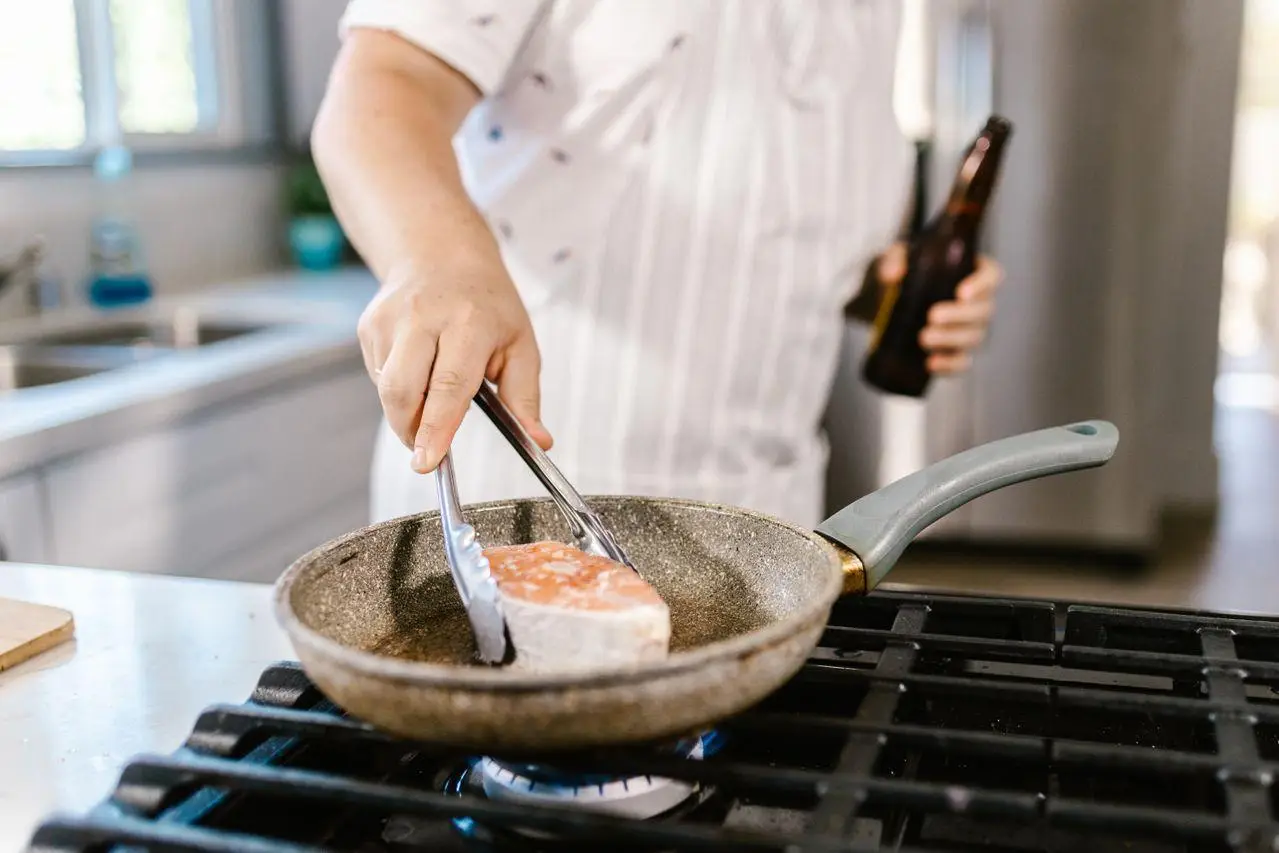
- Cooking Method: High-heat methods, such as grilling or pan-searing, darken the exterior quickly while keeping the inside pink, whereas gentler methods, like poaching, allow for a gradual, even color change throughout the fish.
- Temperature: Higher internal temperatures cause proteins to break down more quickly, potentially resulting in salmon turning pale or brownish. The optimal temperature is 125°F (51°C) for medium-rare, with a vibrant pink center.
- Salmon Type: Wild-caught varieties like sockeye have deeper red-orange hues, while farmed salmon appear paler pink. Diet affects pigmentation through carotenoids like astaxanthin that contribute to natural coloring.
- Fat Content: Fatty salmon, like king or chinook, retain deeper color and richer texture when cooked, while leaner varieties like pink or chum salmon appear paler after cooking.
Knowing the proper salmon-safe temperature guidelines ensures both food safety and optimal texture, preventing undercooking or overcooking your fillet.
Ideal Cooked Salmon Colour Chart
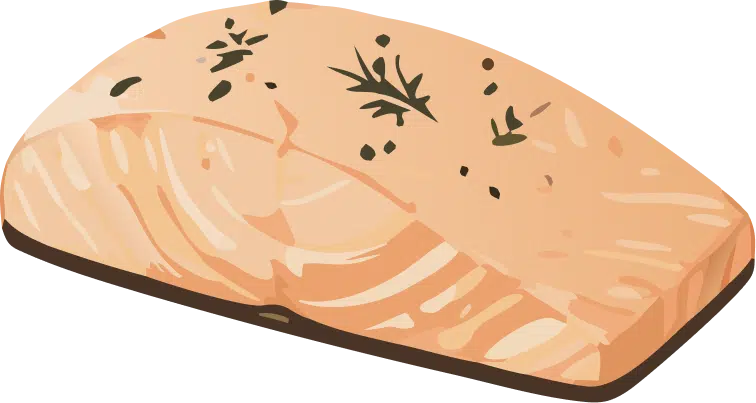
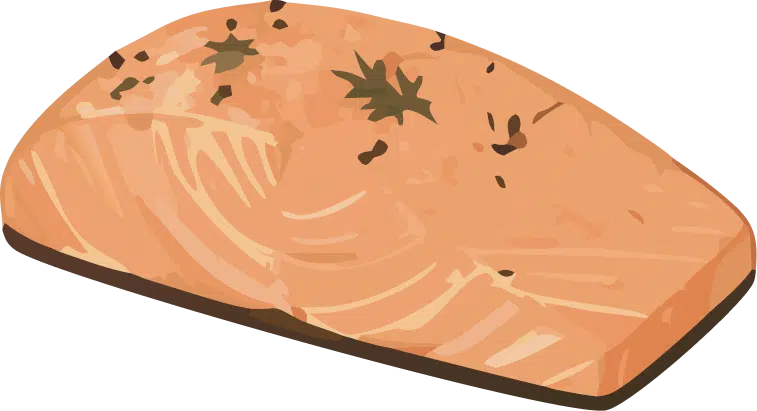
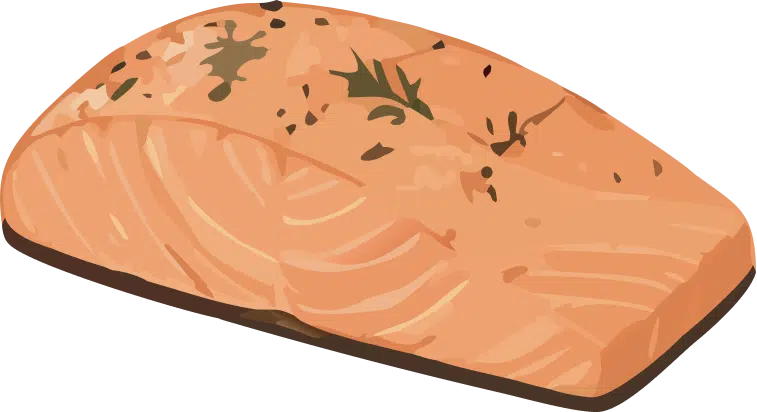
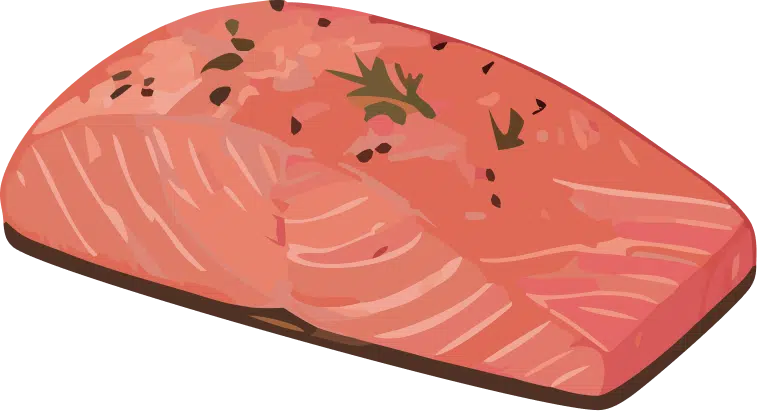
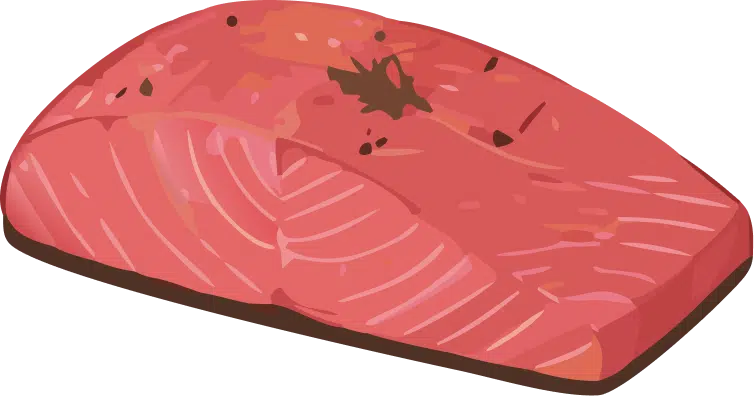
1. Rare (110°F)
At the rare stage, salmon retains a bright, vibrant pink color throughout, with a cool, slightly translucent center. The exterior may have just started to cook, offering a light sear, while the inside remains raw and tender.
The texture is very soft and flaky, and the salmon feels moist but slightly underdone.
2. Medium-Rare (120°F)
At medium-rare, the salmon’s center is mostly pink but slightly opaque, with a warmer, softer texture. The color is a rich salmon-pink, and the fish is firm but still moist.
There’s a clear contrast between the slightly cooked outer layer and the moist interior.
3. Medium (130°F)
When salmon reaches the medium stage, the entire fillet is opaque, but still retains a soft, moist, and slightly flaky texture. The color is a light pink, even throughout the fish, with no signs of translucence.
The center is fully cooked, and the exterior may have a nice sear if grilled or pan-seared.
This stage represents the balance many home cooks aim for.
Accurate internal heat measurements for different seafood species help you achieve consistent results across various cuts.
4. Medium-Well (140°F)
At medium-well, the salmon is cooked thoroughly, and the color shifts to a pale, peachy pink. The texture becomes firmer, with less moisture retained in the center.
While still juicy, medium-well salmon starts to show more flakiness, and the flavors are more pronounced, but can be slightly drier than the medium stage.
5. Well-Done (145°F)
When salmon reaches well-done, it becomes fully opaque and takes on a light beige or pale pink color, showing no trace of translucence.
The texture becomes very firm and flaky, and the salmon loses much of its moisture, often resulting in a dry and slightly tougher bite.
Tips for Cooking the Salmon Perfectly
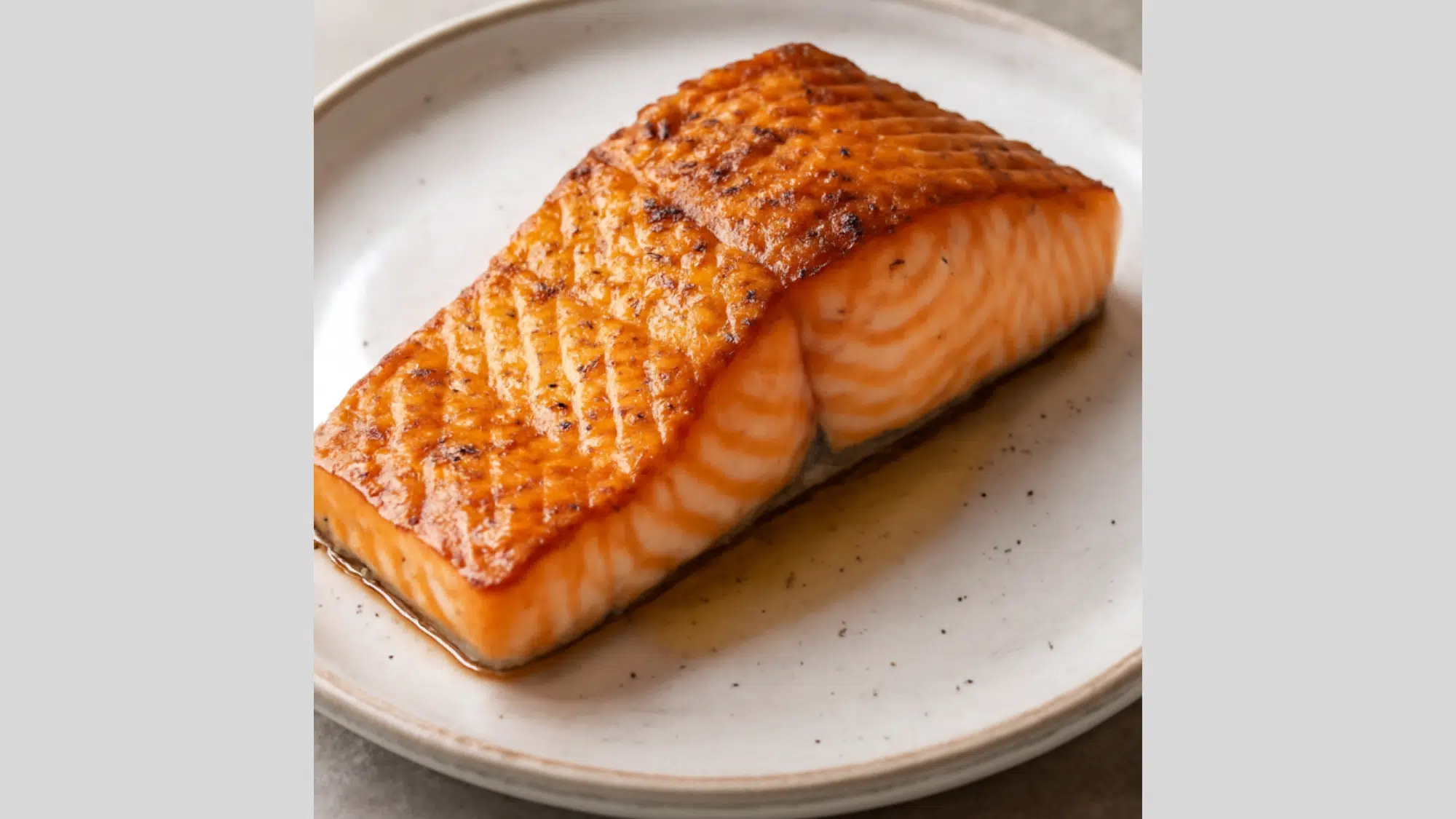
Achieving the right colour for your salmon not only ensures it looks appetizing but also guarantees the right texture and flavour.
Here’s how to nail it every time:
- Use a Cooking Thermometer: Aim for 120°F for medium-rare, 130°F for medium, or 145°F for well-done
- Monitor Cooking Time Closely: Start checking a few minutes early to avoid overcooking and dryness
- Match Method to Desired Result: Use high-heat searing for a crispy exterior or gentle baking for even cooking
- Let It Rest After Cooking: A few minutes allows juices to redistribute and prevents drying out
- Watch for Color Cues: Perfectly cooked salmon should maintain its vibrant pink center
Common Mistakes to Avoid
| COMMON MISTAKE | WHAT HAPPENS | HOW TO AVOID IT |
|---|---|---|
| Overcooking | Fish becomes dry, flaky, and loses its vibrant color | Keep a close eye on salmon and check the internal temperature frequently |
| Undercooking | Risk of foodborne pathogens, especially with lower-quality fish | Ensure a safe temperature and source high-quality, fresh salmon for rare preparations |
| Ignoring Thickness | Uneven cooking with thick/thin areas done differently | Adjust cooking times based on fillet thickness for consistent doneness |
| Too High Heat | Crispy outside but raw inside, uneven cooking | Use moderate heat for even cooking that preserves moisture and color |
Wrapping It Up
Mastering salmon’s color stages is honestly one of the easiest ways to level up your cooking.
Once you know what to look for, you will never serve dry, overcooked fish again.
Just pay attention to those visual cues, keep your thermometer handy, and remember that salmon continues cooking even after you pull it off the heat.
With these color guidelines in your back pocket, you can confidently cook salmon exactly how you and your guests love it.