

Salmon bites that are crispy on the outside, tender on the inside, and coated in a sweet-tangy glaze?
Yes, that’s exactly what this recipe delivers.
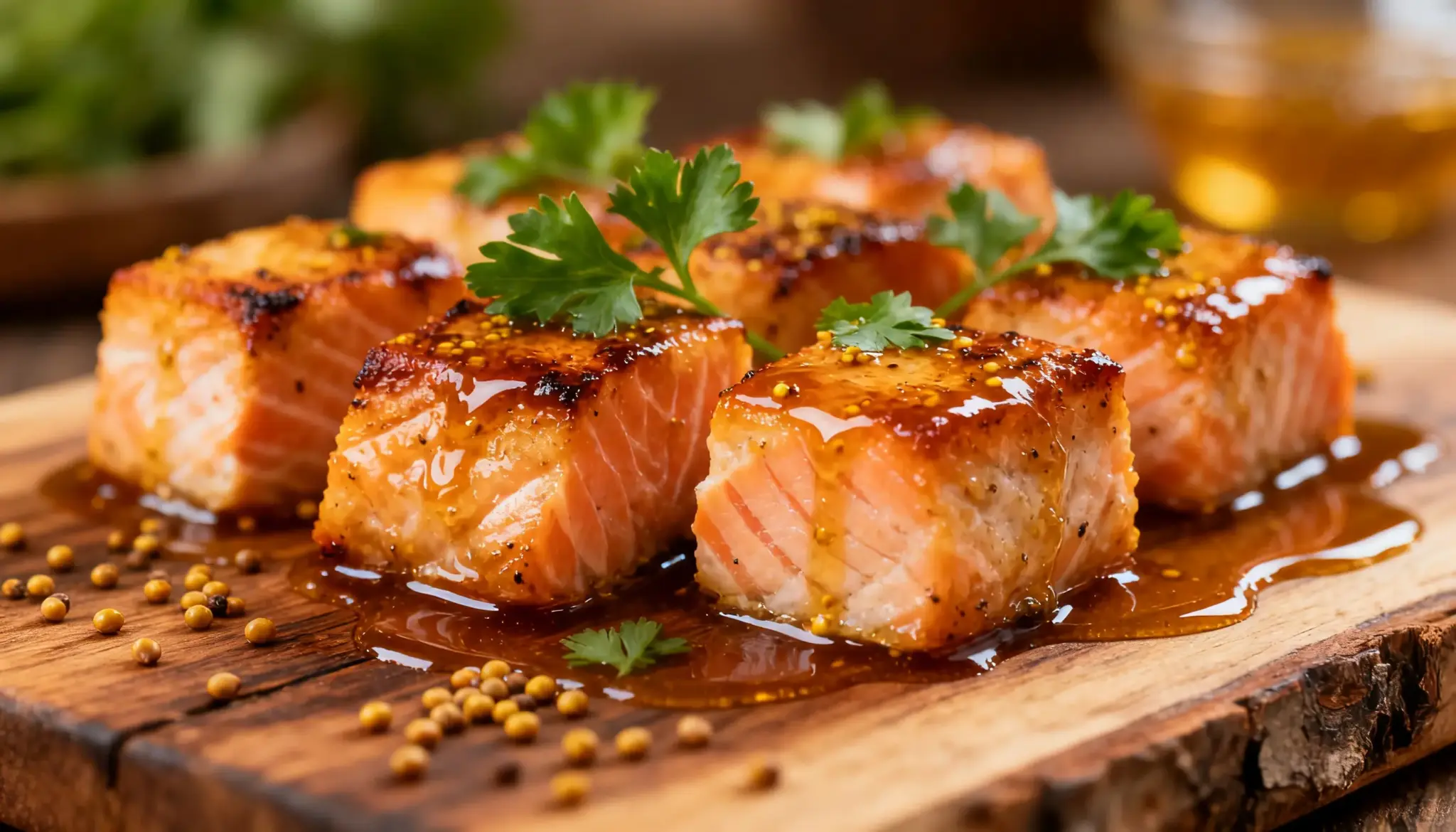
The maple syrup brings a natural sweetness. The Dijon mustard adds a sharp, bold kick. Together, they create a glaze that sticks to every bite of salmon perfectly.
These bites cook fast; they take 15 minutes in the oven or air fryer. No flipping, no fussing.
A quick weeknight dinner or a party platter, this recipe handles both without breaking a sweat.
Simple ingredients, big flavour, and zero stress. Ready to make the best salmon bites?
What Makes This Recipe Stand Out
Most salmon or healthy fish recipes ask for a long list of ingredients. This one doesn’t.
Just a handful of pantry staples and you’ve got something that tastes like it came from a restaurant.
The maple-Dijon glaze is the real star here. It’s sweet, sharp, and slightly sticky. It coats each salmon bite evenly, so every piece is full of flavour. The bite-sized format makes a big difference, too.
Smaller pieces mean faster cooking and crispier edges. No waiting around for a thick fillet to cook through.
One bowl for the glaze, one pan for the salmon. That’s it. Simple, fast, and genuinely delicious.
Why This Glaze Works?Maple syrup caramelises at high heat due to its natural sugar content, which is why it creates that sticky, golden coating.
When to Serve These Salmon Bites
These salmon bites work for just about any occasion. Here are some great times to serve them:
- Weeknight Dinner: Tired after work? These come together fast and keep everyone happy at the table.
- Meal Prep: Make a batch on Sunday and eat well all week long.
- Party Snack: Serve them on a platter and watch them disappear before you know it.
- Game Night: Finger food that’s actually filling, perfect for a fun night in.
- Date Night: Fancy enough to impress, but easy enough to make without any stress.
Ingredients Needed
Here’s everything you need to make these Maple-Dijon Salmon Bites, plus easy swaps if you’re missing something:
| Ingredient | Amount | Substitution |
|---|---|---|
| Salmon fillet | 500g | Trout or cod works well |
| Maple syrup | 3 tbsp | Honey or agave syrup |
| Dijon mustard | 2 tbsp | Whole grain mustard |
| Garlic powder | 1 tsp | 2 fresh garlic cloves, minced |
| Olive oil | 1 tbsp | Avocado oil or melted butter |
| Soy sauce | 1 tbsp | Coconut aminos or tamari |
| Black pepper | ½ tsp | White pepper |
| Salt | ½ tsp | Sea salt or kosher salt |
| Lemon juice | 1 tbsp | Apple cider vinegar |
How to Pick the Right Salmon
The quality of your salmon directly affects the final result. A good piece of salmon needs very little work; the glaze does the rest. Here’s what to look for at the counter:
Colour: Look for bright, even pink or orange flesh. Dull or grey patches are a sign of age.
Smell: Fresh salmon smells clean and mild like the ocean. A strong fishy smell means it’s past its best.
Texture: Press it gently. Fresh salmon springs back. If it leaves a dent, skip it.
Wild vs Farmed: Wild salmon has a deeper flavour and firmer texture. Farmed salmon is milder and slightly fattier both work well in this recipe.
Always ask your fishmonger when the stock came in. That one question tells you everything.
Maple Dijon Salmon Bites Step-by-Step Instructions
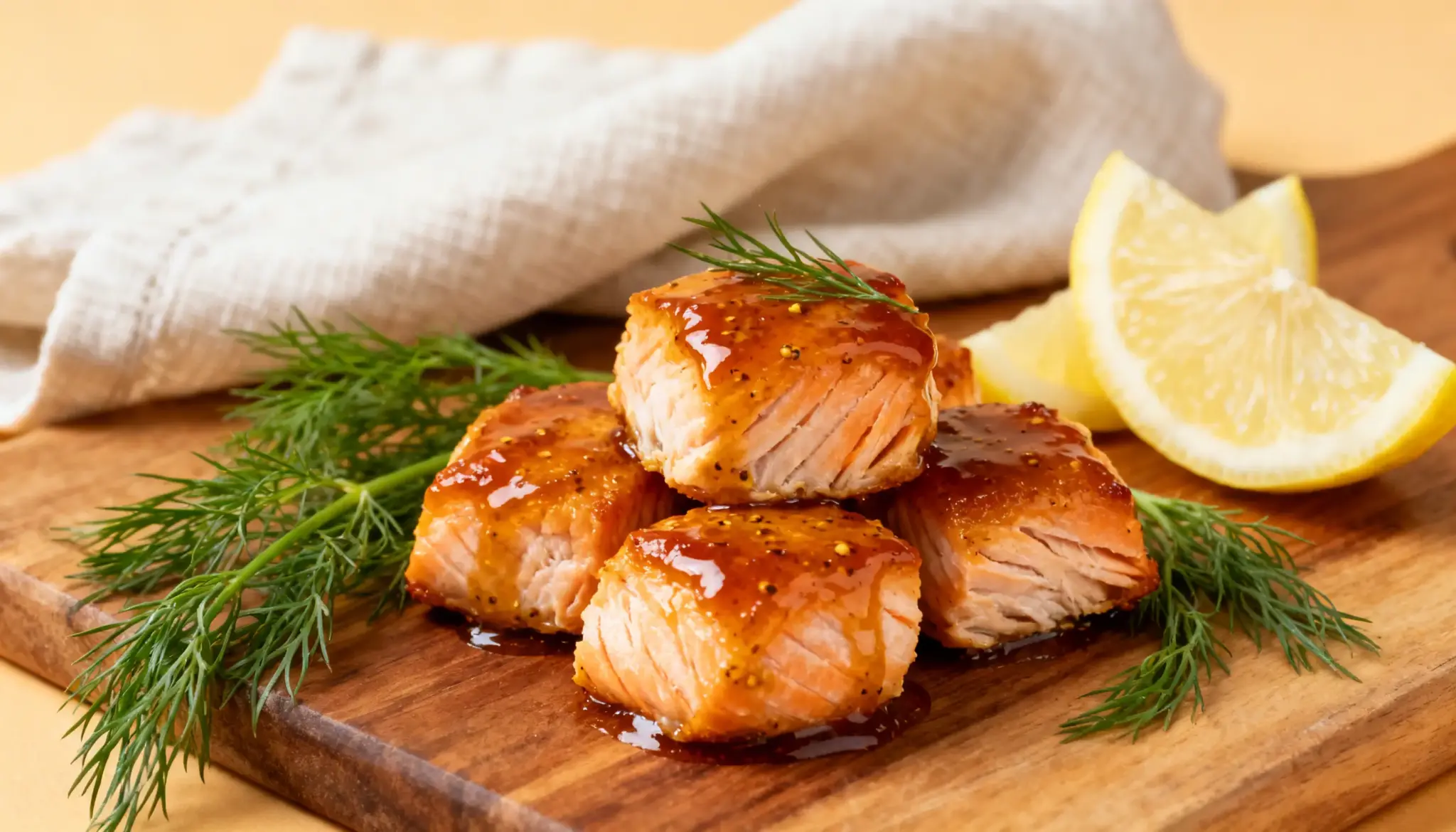
Alt text: Glazed Maple Dijon Salmon Bites on a wooden board with fresh dill and lemon wedges. Simple, savory, and ready to serve
Follow these simple steps, and you’ll have perfectly glazed salmon bites on the table in no time.
Step 1: Cut and Dry the Salmon
Start by cutting your salmon fillet into 1.5-inch cubes. Try to keep them even; this matters more than you’d think.
Then pat each piece dry with a paper towel. This small step removes extra moisture and helps the glaze stick properly to every bite.
Step 2: Mix the Glaze
Grab a bowl and add your maple syrup, Dijon mustard, soy sauce, garlic powder, olive oil, lemon juice, salt, and black pepper. Whisk everything together until smooth.
The glaze should look thick and glossy. Taste it, you want that balance of sweet and sharp coming through clearly.
Quick tip: The ratio of maple to mustard matters. Too much maple, and the glaze burns before the salmon cooks through. Two parts maple to one part mustard is the sweet spot.
Step 3: Coat the Salmon
Add your dried salmon cubes to the glaze bowl.
Toss gently until every piece is fully coated. Don’t rush this part. Make sure no piece is left dry.
Let the coated salmon sit for 5 minutes. This short rest helps the flavours soak into the fish before cooking.
Step 4: Arrange on the Baking Tray
Line your baking tray with parchment paper and lightly grease it.
Place each salmon cube with a small gap between them.
Crowding the tray traps steam, preventing the edges from crisping. Give every piece enough space to cook properly and get those slightly caramelised edges.
Step 5: Bake to Perfection
Pop the tray into a preheated oven at 200°C (400°F). Bake for 12 to 15 minutes.
You’ll know they’re ready when the edges look caramelised and the salmon flakes easily with a fork. Avoid overbaking salmon, which dries out quickly, and keep each bite juicy on the inside.
Step 6: Serve and Enjoy
Take the tray out and let the bites rest for two minutes. This keeps the juices locked in. Serve them warm with your choice of dipping sauce or sides.
A squeeze of fresh lemon right before serving adds a bright, clean finish that ties the whole dish together perfectly.
How to Store and Reheat Without Drying Them Out
Leftover salmon bites store really well if you do it right.
Let them cool completely before packing them away. Storing warm salmon traps in a container steams the fish, making them soggy.
- Fridge: Store in an airtight container for up to 3 days.
- Freezer: Freeze in a single layer first, then transfer to a bag. Good for up to 1 month.
When reheating, skip the microwave. It makes salmon rubbery and dry almost instantly.
- Air fryer: 160°C for 3-4 minutes, best results every time.
- Oven: 180°C for 5-6 minutes, loosely covered with foil to retain moisture.
Cooking Method that Works Best
There are a few ways to cook these salmon bites; each gives different results. Pick what works best for you.
Grill:
Place bites on a greased grill over medium heat.
Cook for 3-4 minutes per side. The direct heat adds a light smoky flavour that pairs really well with the sweet maple glaze. Great for outdoor cooking.
Oven Baking:
Preheat to 200°C (400°F) and bake for 12-15 minutes. This is the easiest hands-off method.
Perfect when you’re cooking a large batch and don’t want to stand over the stove watching every piece.
Air Fryer:
Cook at 190°C (375°F) for 8-10 minutes. This method gives the crispiest edges of all.
The hot circulating air caramelises the glaze beautifully while keeping the inside soft and juicy.
Pan Searing:
Heat oil in a skillet over medium-high heat. Sear each side for 2-3 minutes until golden and cooked through.
You get a nice crust on the outside and a tender, flaky centre every time.
Broiler:
Set your oven to broil and cook for 6-8 minutes. The top-down heat caramelises the glaze quickly while keeping the inside soft. Watch closely, though the glaze can burn fast under a broiler.
Flavour Variations and What to Serve with it
Want to switch things up or find the perfect side? Here’s a quick look at flavour variations and serving ideas:
| Flavour Variation | What Changes | Best Served With |
|---|---|---|
| Spicy Maple-Dijon | Add 1 tsp chilli flakes to the glaze | Coconut rice and sliced cucumber |
| Garlic Herb | Add fresh rosemary and thyme to the glaze | Roasted potatoes and steamed beans |
| Citrus Glaze | Swap lemon juice for orange juice | Light green salad and quinoa |
| Smoky BBQ | Add 1 tsp smoked paprika to the glaze | Corn on the cob and coleslaw |
| Ginger Soy | Add 1 tsp fresh grated ginger to the glaze | Steamed jasmine rice and bok choy |
| Honey Mustard | Swap maple syrup for honey | Mashed sweet potato and asparagus |
| Sweet Chilli | Add 1 tbsp sweet chilli sauce to the glaze | Noodle salad and pickled vegetables |
Mistakes to Avoid
I’ve made all of these mistakes at least once, so you don’t have to:
- Wet salmon causes the glaze to slide off; surface moisture turns to steam, halting browning entirely.
- My first batch included big and small chunks. Half were overcooked before the rest finished.
- I once squeezed everything onto one small tray. The salmon steamed instead of crisping.
- Two extra minutes and the bites went from juicy to dry. Keep a close eye on the oven.
- I skipped this once, and some bites were too sweet, others too sharp. Mix it properly first.
- The skin blocks the glaze from coating the bottom. Always remove it before cutting.
- I’ve cut into them straight away and watched all the juices pour out. Wait, those two minutes are worth it.
- Let the fish sit out 10 minutes before cooking. Cold fish contract with heat, pushing out moisture faster.
Final Thoughts
Maple-Dijon Salmon Bites are proof that great food doesn’t need to be complicated.
Sweet, tangy, crispy, and ready in under a few minutes, this recipe checks every box.
The glaze does most of the work. You just need to prep well, avoid the common mistakes, and pick the cooking method that suits you best. Try it once, and it’ll earn a permanent spot in your weekly rotation.
Got a variation or a side dish that worked well?
Drop it in the comments. I’d love to hear how yours turned out.
Frequently Asked Questions (FAQ’s)
1. Can I Use Frozen Salmon for This Recipe?
Yes, but ensure it’s fully thawed and dried before cooking, as excess moisture can hinder crispness.
2. How do I Know when the Salmon Bites are Fully Cooked?
They should turn opaque and flake easily with a fork. The inside should be tender, not raw or overly dry.
3. Can I Make These Salmon Bites in An Air Fryer?
Air frying works great for a crispy finish. Just cook at around 180–200°C for 7–10 minutes, depending on the size.
4. What Can I Use Instead of Maple Syrup?
Honey is the closest substitute. It gives a similar sweetness, though the flavor will be slightly different.
5. How do I Keep the Glaze from Burning?
Avoid high heat when cooking and add the glaze near the end, as maple syrup caramelizes quickly.
More Seafood Recipes to Try!
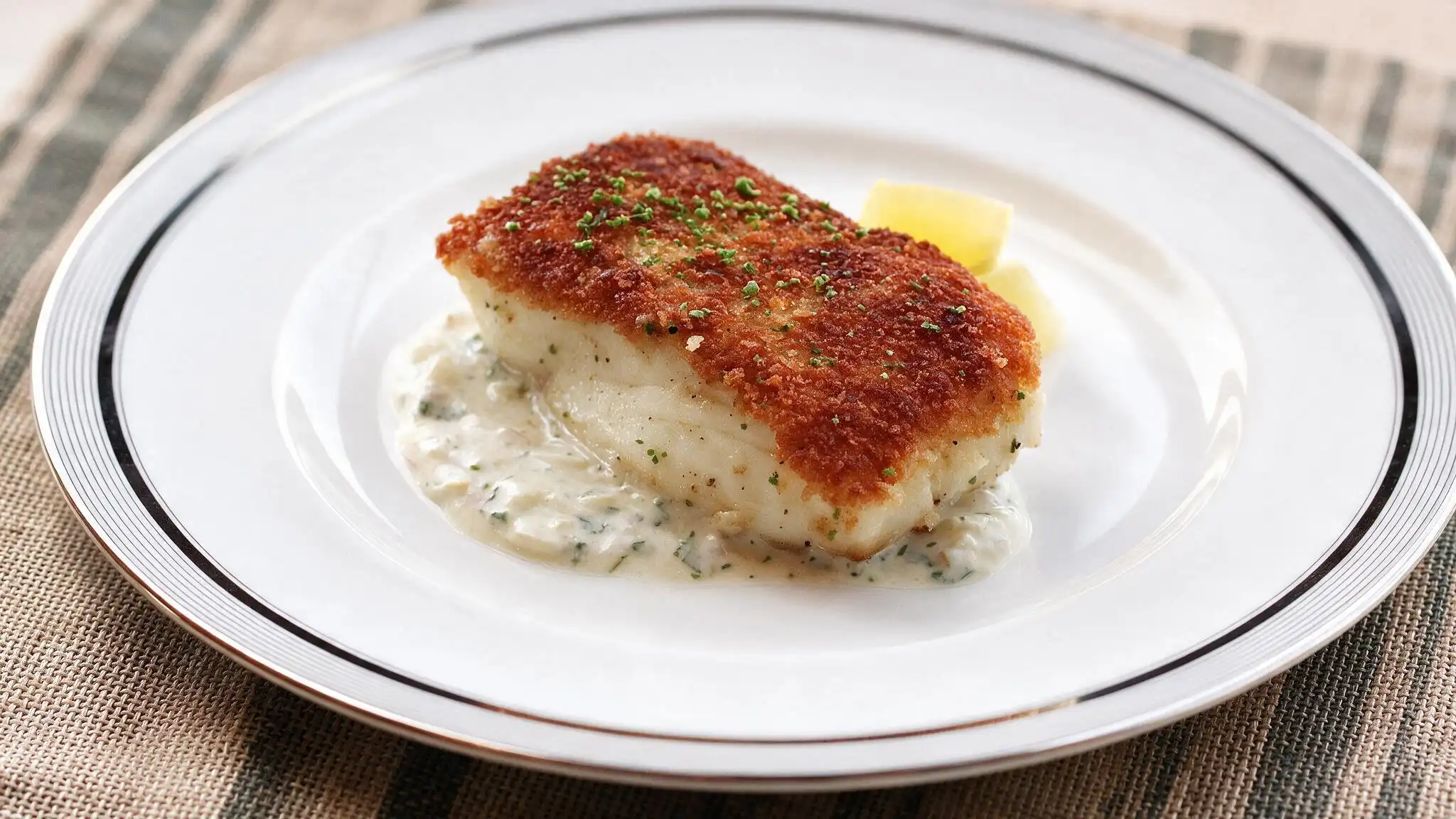
Crispy Panko-Topped Cod: Light, crunchy, and ready in under 20 minutes.
Gordon Ramsay’s Lobster Bisque Recipe: Rich, creamy bisque that tastes restaurant-worthy at home.
Rosemary and Olive Oil Trout: Simple herb-roasted trout with clean, fresh flavours.
Cajun-Spiced Baked Catfish: Bold, smoky spices on flaky, tender baked catfish.
Broiled Cod Healthy Meals: Quick broiled cod that’s light, flaky, and filling.