

Knowing when to start tomato seeds indoors comes down to one key date. That date is the last frost in a gardener’s area.
Count backward six to eight weeks, and the timing falls into place. This simple rule has guided home growers for generations, from cold northern plots to mild southern gardens.
Frost dates, climate zones, and local growing seasons all shape your sowing date. None of it takes fancy tools or charts, just a quick look at the calendar.
A calendar and a little planning work well together. Get the timing right, and you end up with sturdy plants and a fuller harvest.
When to Start Tomato Seeds Indoors?
The right sowing date depends on three things: the last frost date, the climate zone, and the local growing season.
Each one plays its own part in the plan:
- Last Frost Date: This is the average date frost stops in spring. It sets the anchor for everything else. Count back six to eight weeks to find the sowing date.
- Climate Zone: This tells you how cold or warm the region is. Cold zones sow later, and warm zones sow earlier. Your zone shifts the window by weeks.
- Local Growing Season: This is the length of frost-free days. Short seasons need an earlier indoor start to fit the harvest in.
These three factors work together, not on their own. The frost date leads, and the zone and season adjust it. Once a gardener has all three, the sowing window falls into place.
Choose the Right Tomato Variety
Not all tomatoes grow the same way, so the type you pick shapes how you sow. These are the two main groups:
1. Bush-type Tomatoes
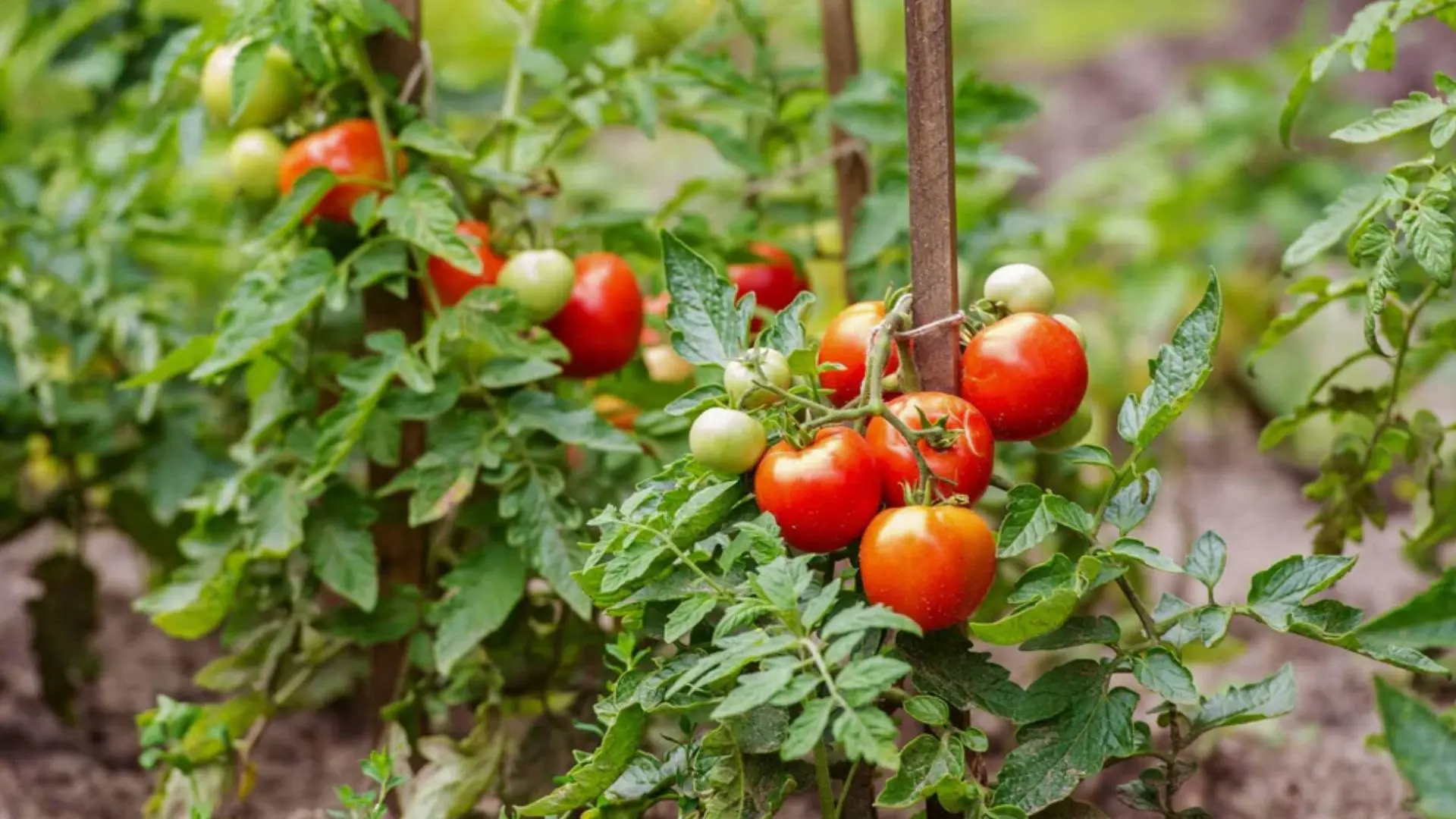
These cover dwarf, tumbler, and determinate varieties. A true determinate sets its fruit within weeks. Many are early and suit short seasons, canning, and preserving.
Start them six weeks before planting out, at the earliest. If cold weather holds you back, the seedling will not outgrow its pot.
Tumbler and dwarf plants can be transplanted outdoors sooner. With warmth and good light, they even give early fruit indoors.
Hold off on starting bush types too early, since a longer wait keeps them compact and ready.
2. Vine-Type Tomatoes
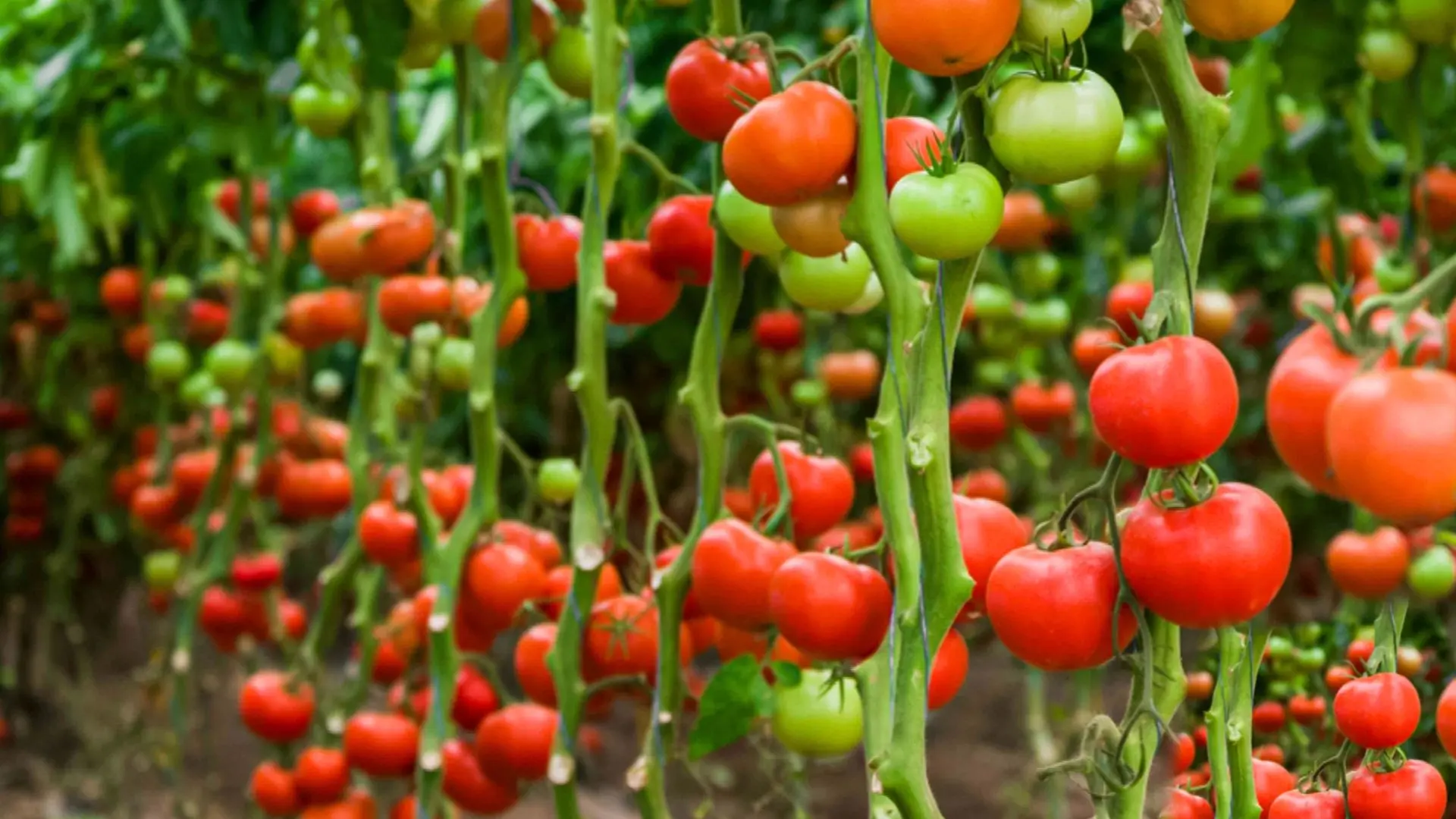
These are the indeterminate mid- to late-season varieties. They are the most common tomatoes grown across the world.
The plants climb tall and keep fruiting for months. Indeterminate types are the only ones that may be worth starting early.
Some growers raise the seedling to two feet, then bury most of the stem to build longer roots.
Plant vine seedlings deep, since the buried stem grows extra roots for a stronger plant.
How to Plant Tomato Seeds Indoors?
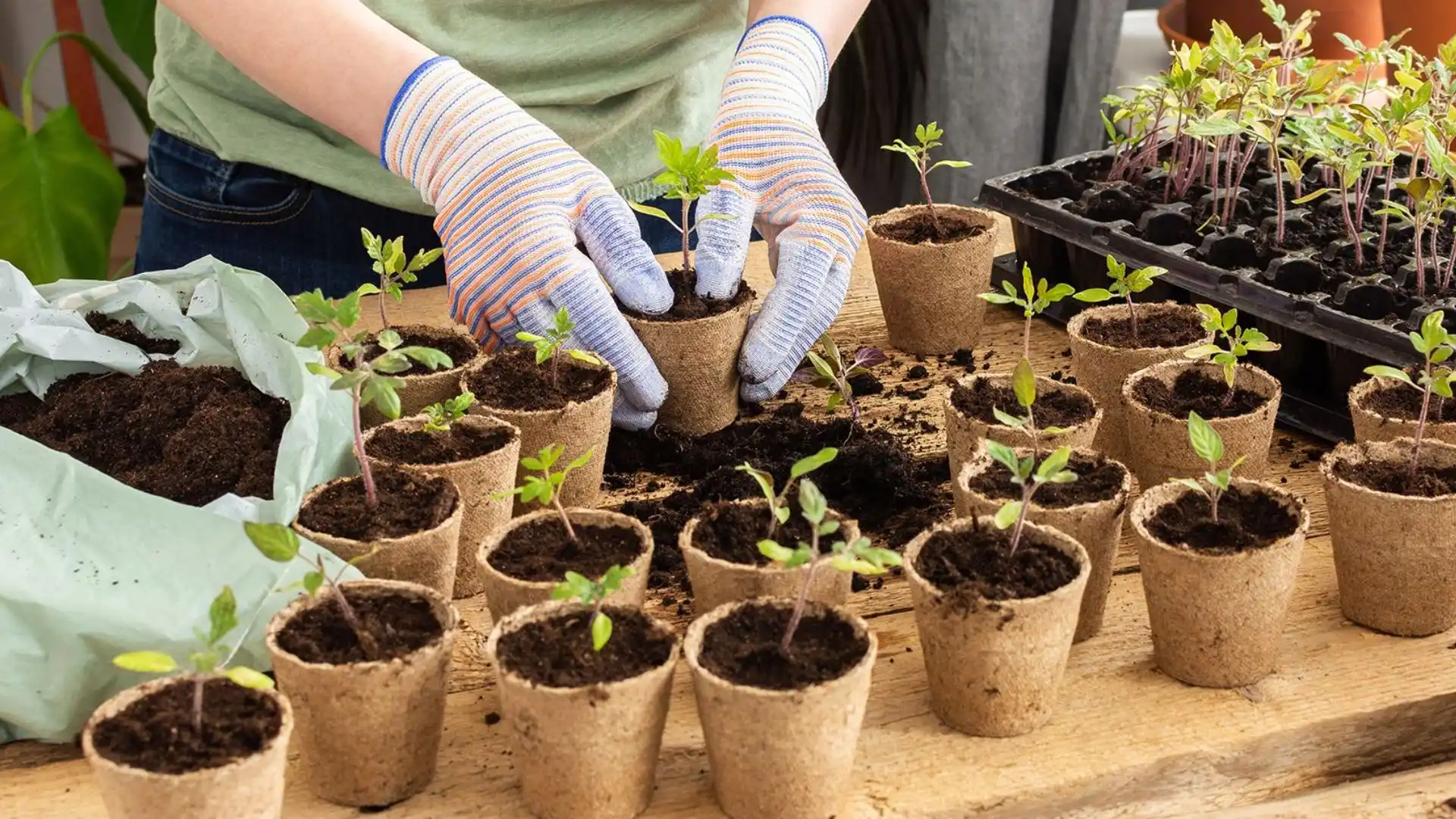
A few simple steps will take tomato seeds from the pot and help them sprout. Below is how to do it the right way.
Equipment You Need
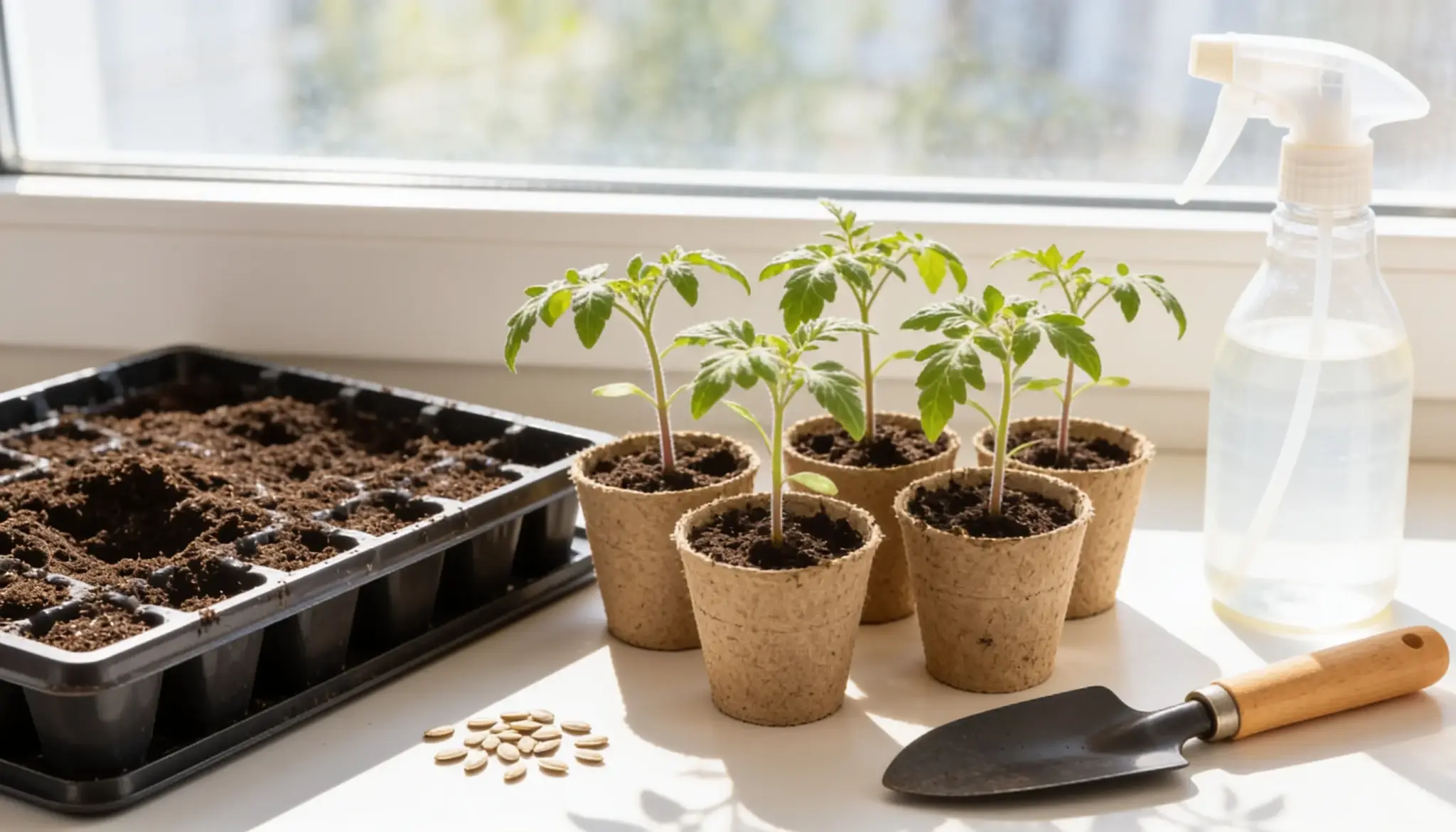
A few basic supplies are all it takes to start tomatoes indoors.
- Small 2–3-inch pots, like plastic cups or clean yogurt tubs
- Quart-size pots to pot up seedlings as they grow
- Seed trays to hold the pots and catch drainage
- Potting soil or a fine seed starting mix
- A spray bottle to moisten the soil gently
- Plastic wrap to keep seeds moist while they sprout
- A warm spot or a heating mat for germination
- A south-facing window or grow lights for strong seedlings
1. Prepare the Pots
Start by making a few holes in the bottom of each pot for drainage. Good drainage keeps roots from sitting in water and rotting.
Set the pots in a seed tray to catch the runoff. Then fill each one about halfway with potting soil.
Leaving that space matters, since more soil goes in later as the seedling grows taller.
2. Moisten the Soil
Dampen the soil with warm water before you plant a single seed. You want it moist, not dry and not soggy
Warm water helps the soil reach the right temperature for tomato seeds.
This small step gives germination a better start. Damp soil also holds the seeds in place once they go in.
3. Sow the Seeds
Drop one to three seeds into each container. Planting a few makes sure at least one sprouts. Set each seed about three times its own size deep in the soil.
Cover it lightly and press down with your fingers. Then mist the top again with a spray bottle to settle everything.
4. Cover and Keep Warm
Lay plastic wrap over each pot to lock in moisture. This simple step helps the seeds sprout faster. Set the pots in a warm spot, like the top of a dryer.
Seeds need warmth far more than light to germinate. Once sprouts show leaves, move them to bright light right away.
Timeline: When Do Tomatoes Start Growing?
Tomatoes follow a fairly steady schedule once the seeds go in. The table below breaks down what happens week by week from sowing to transplant.
| Week | What Happens | What to Do |
|---|---|---|
| Week 1-2 | Seeds germinate, and green sprouts break the soil | Keep soil 70-85°F and moist; no light needed yet |
| Week 2-3 | First true leaves appear on the seedling | Move seedlings under bright light right away |
| Week 3-5 | Early growth as roots and leaves fill out | Pot up into bigger containers; start light feeding |
| Week 6-8 | Seedlings turn stocky and strong | Harden off outdoors for about a week before planting |
How Long Do Tomato Seeds Take to Germinate?
Most tomato seeds sprout in about five to ten days. The exact time depends on soil warmth and steady moisture.
A few simple factors shape how fast they wake up:
- Seeds like a soil temperature between 70 and 85 degrees Fahrenheit. In that range, they sprout fast and evenly.
- Cooler soil slows things down. Below 65 degrees, sprouting can stretch closer to two weeks.
- A heating mat helps hold steady warmth when the room runs chilly.
- Seeds do not need light to sprout, so darkness is fine at first.
Once green shoots break the surface, they need bright light fast. A sunny window or grow lights keep the seedlings from getting leggy.
Steady warmth and moisture matter more than rushing the clock. Give the seeds the right start, and they reward you with strong plants.
Can You Start Tomato Seeds in Potting Soil?
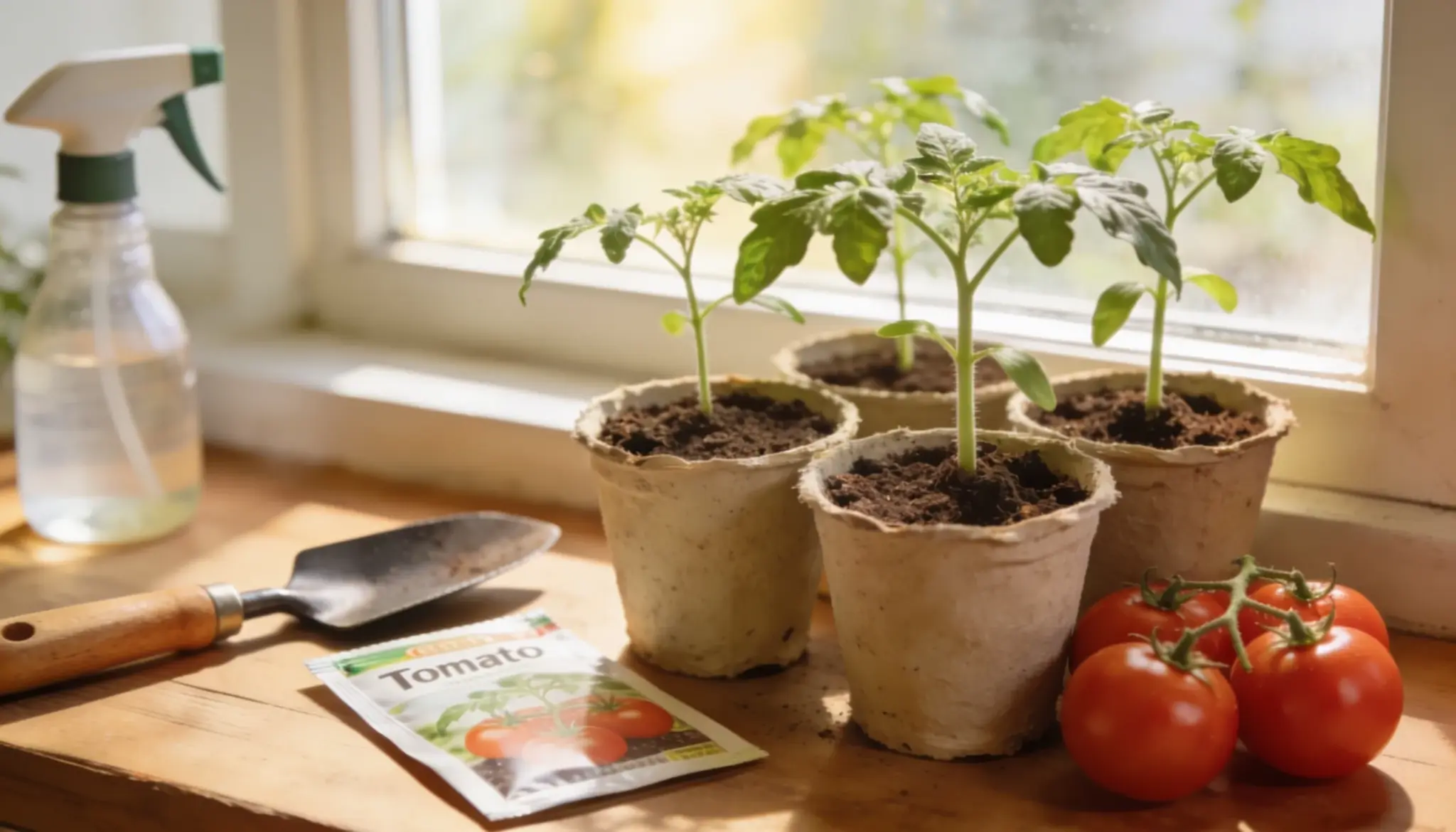
Yes, tomato seeds grow well in regular potting soil. Many gardeners use it with good results. Tomato seeds are large enough to push through it with ease. That makes potting soil a handy pick for beginners.
A soilless seed starting mix works too, and some growers prefer it. This mix stays light and drains well, which helps small roots take hold.
It also lowers the risk of rot in young plants. Just read the label first, since some mixes hold no compost or fertilizer.
One thing to skip is garden soil. It packs down hard and holds too much water. Worse, it can carry pests and diseases that harm tender seedlings.
That risk is not worth taking with a fresh crop. So potting soil is a safe, simple choice. Pick a fresh bag, keep it damp, and the seeds will do the rest.
If your mix has no fertilizer, add a little compost so seedlings get an early feed.
More Vegetables and Fruits You Can Grow Indoors
Beyond tomatoes, you can grow different vegetables and fruits indoors with the right light, containers, care, and space.
1. Lettuce
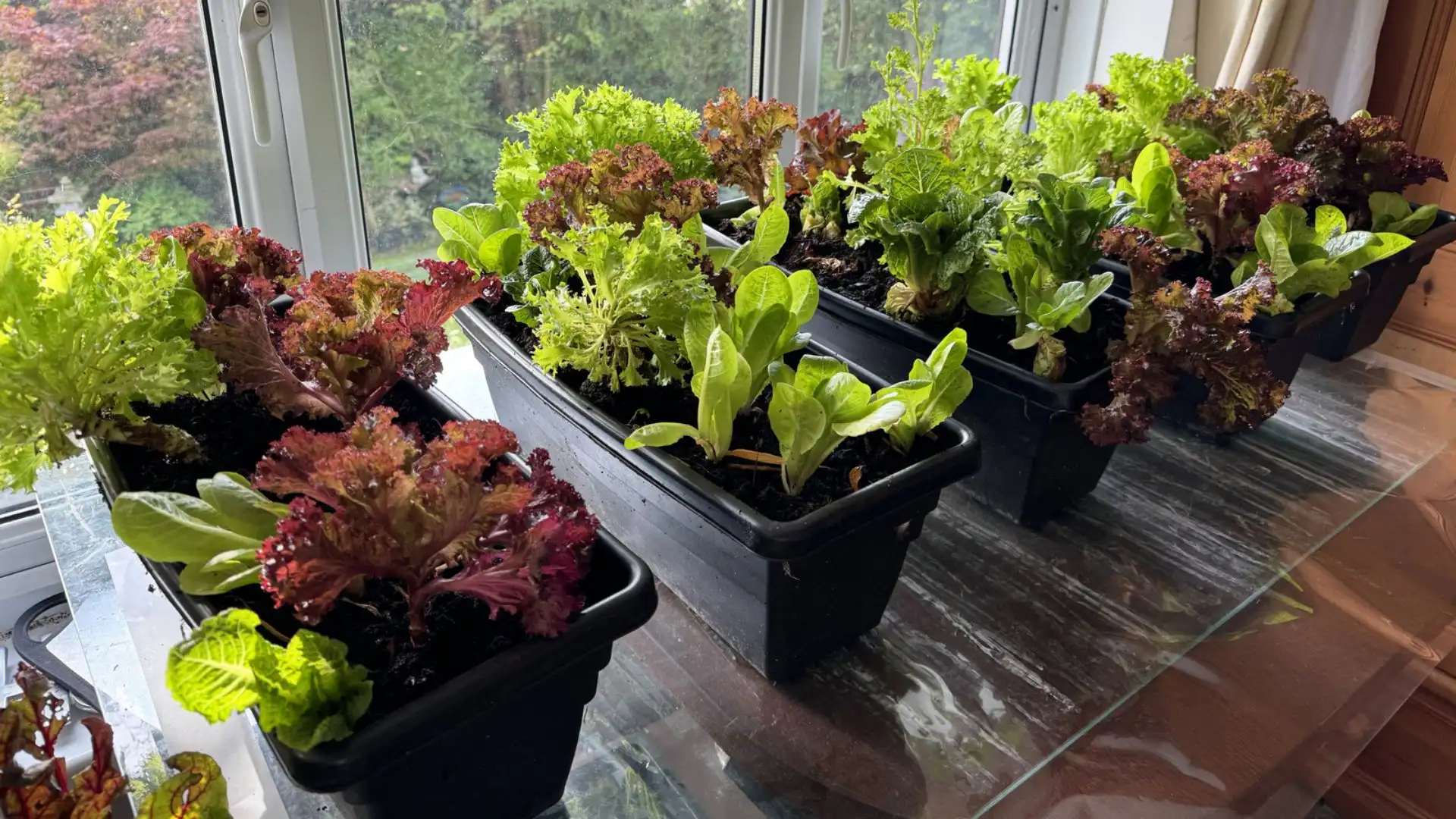
Lettuce is one of the easiest crops to grow inside. It needs little space and grows fast in shallow pots.
A sunny window or grow light keeps the leaves tender. Snip the outer leaves as you need them, and the plant keeps giving for weeks.
2. Peppers
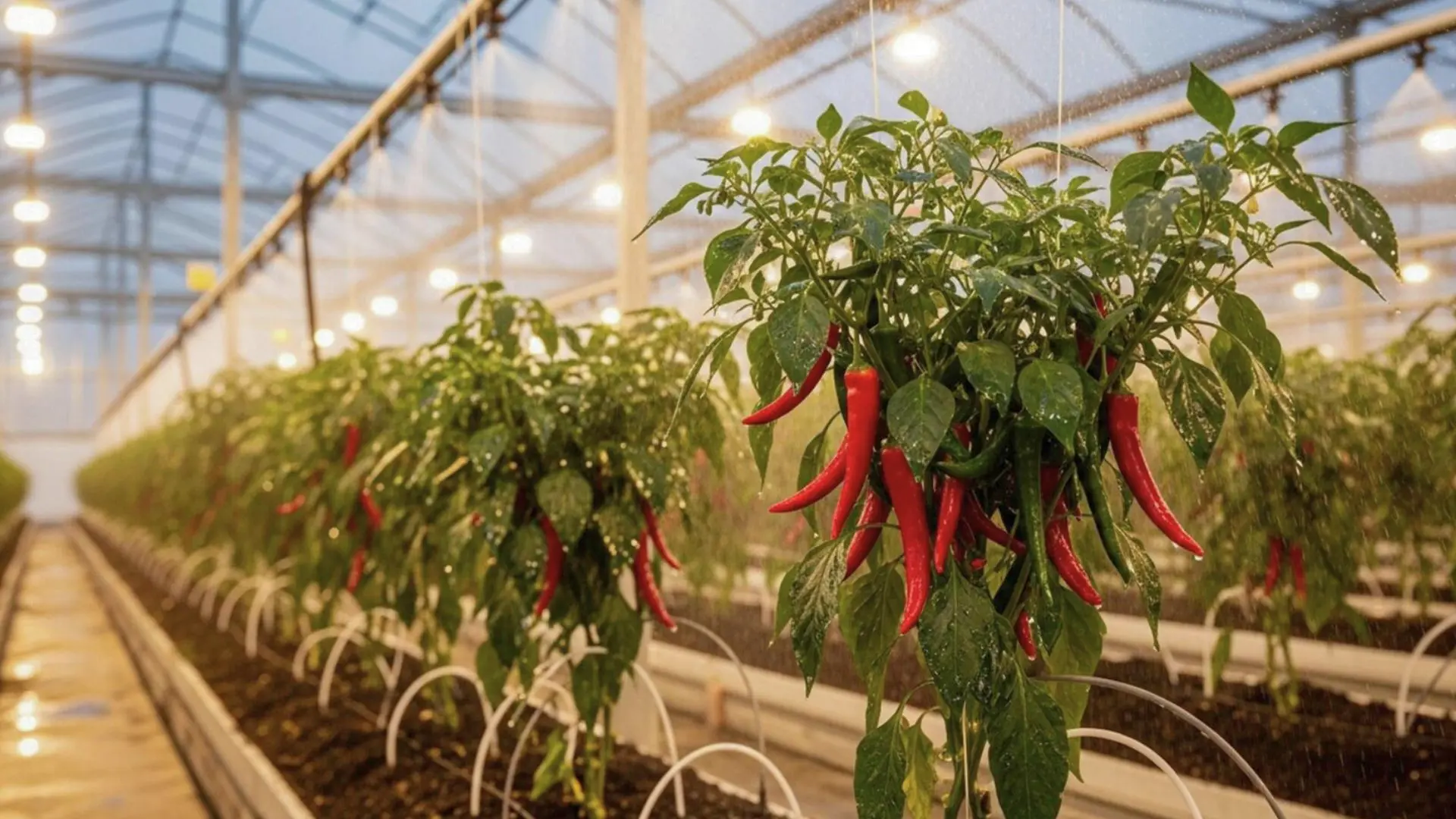
Peppers do well indoors with plenty of warmth and light. Both sweet and hot types work in roomy pots.
They take longer than lettuce, so patience helps. Keep the soil moist and the room warm, and you get fresh peppers right on your sill.
3. Herbs
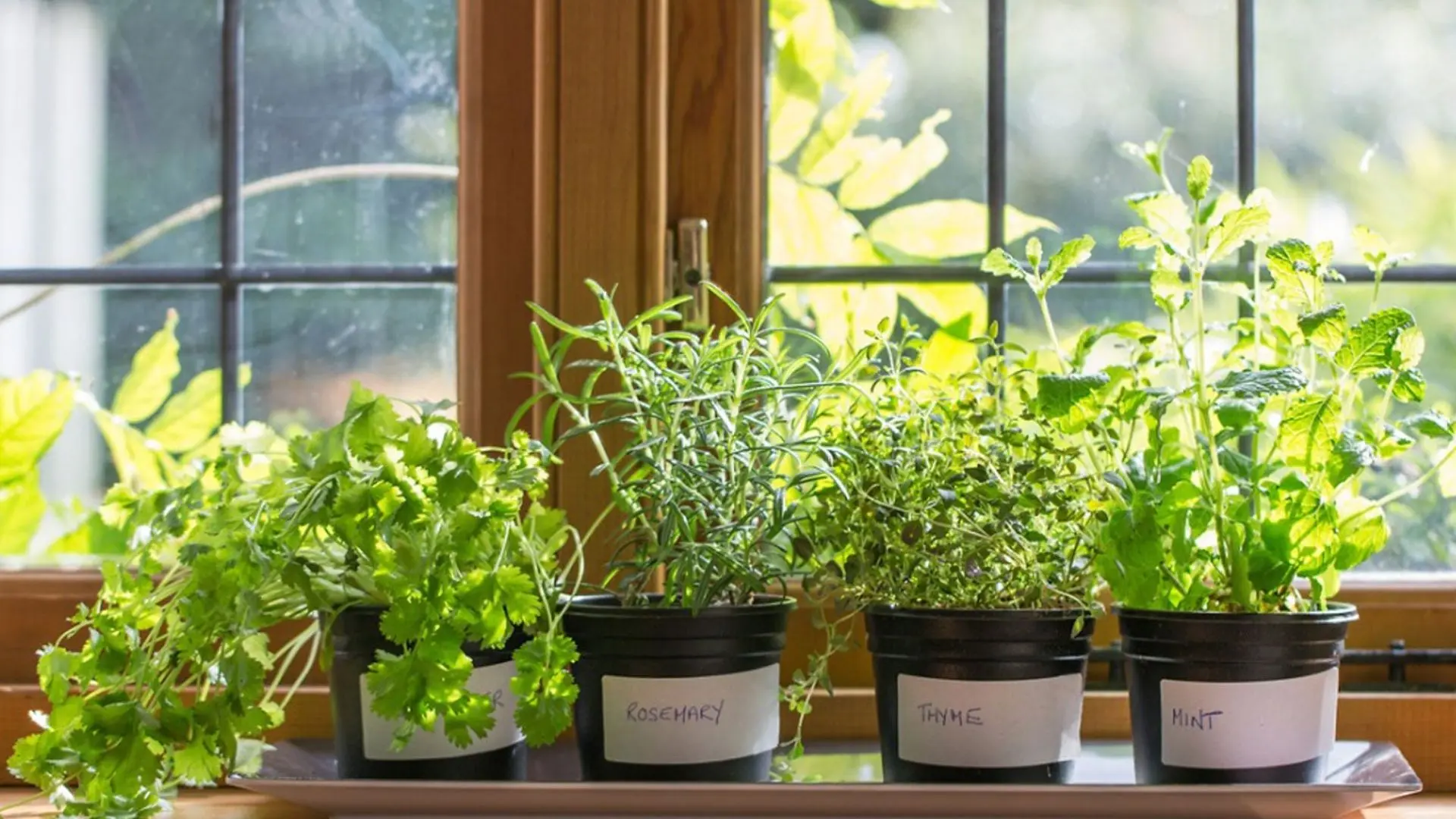
Basil, parsley, and mint, or any herb, thrive on a bright kitchen windowsill. They grow quickly and need only small pots to start.
Regular trimming keeps them bushy and full. Fresh herbs steps from the stove make cooking easier, and they smell wonderful as they grow.
4. Green Onions
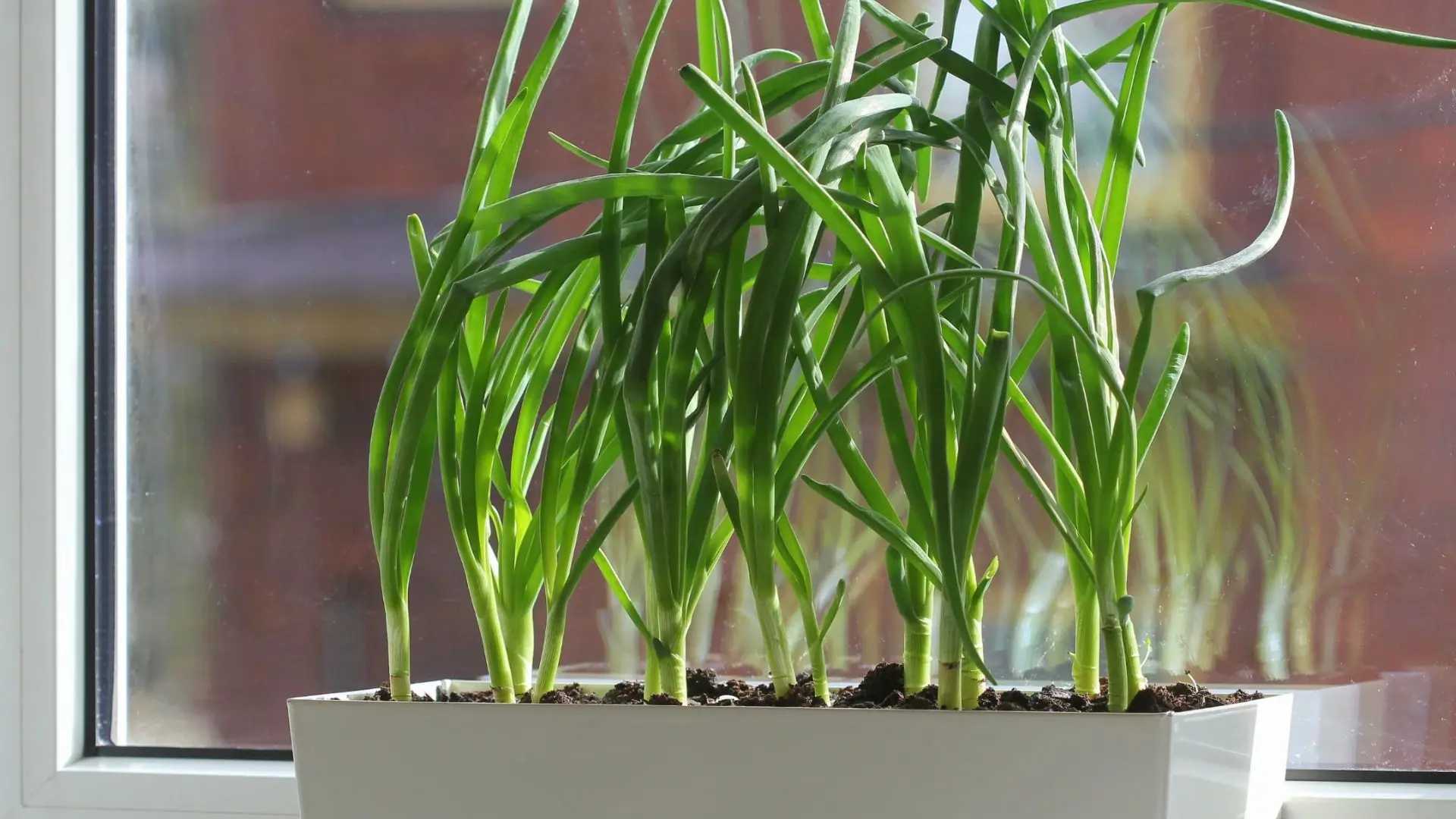
Green onions may be the simplest indoor crop of all. Save the white root ends and set them in water or soil. New green shoots appear within days and keep regrowing.
One small pot on the counter gives you an endless snip-and-grow supply.
5. Strawberries
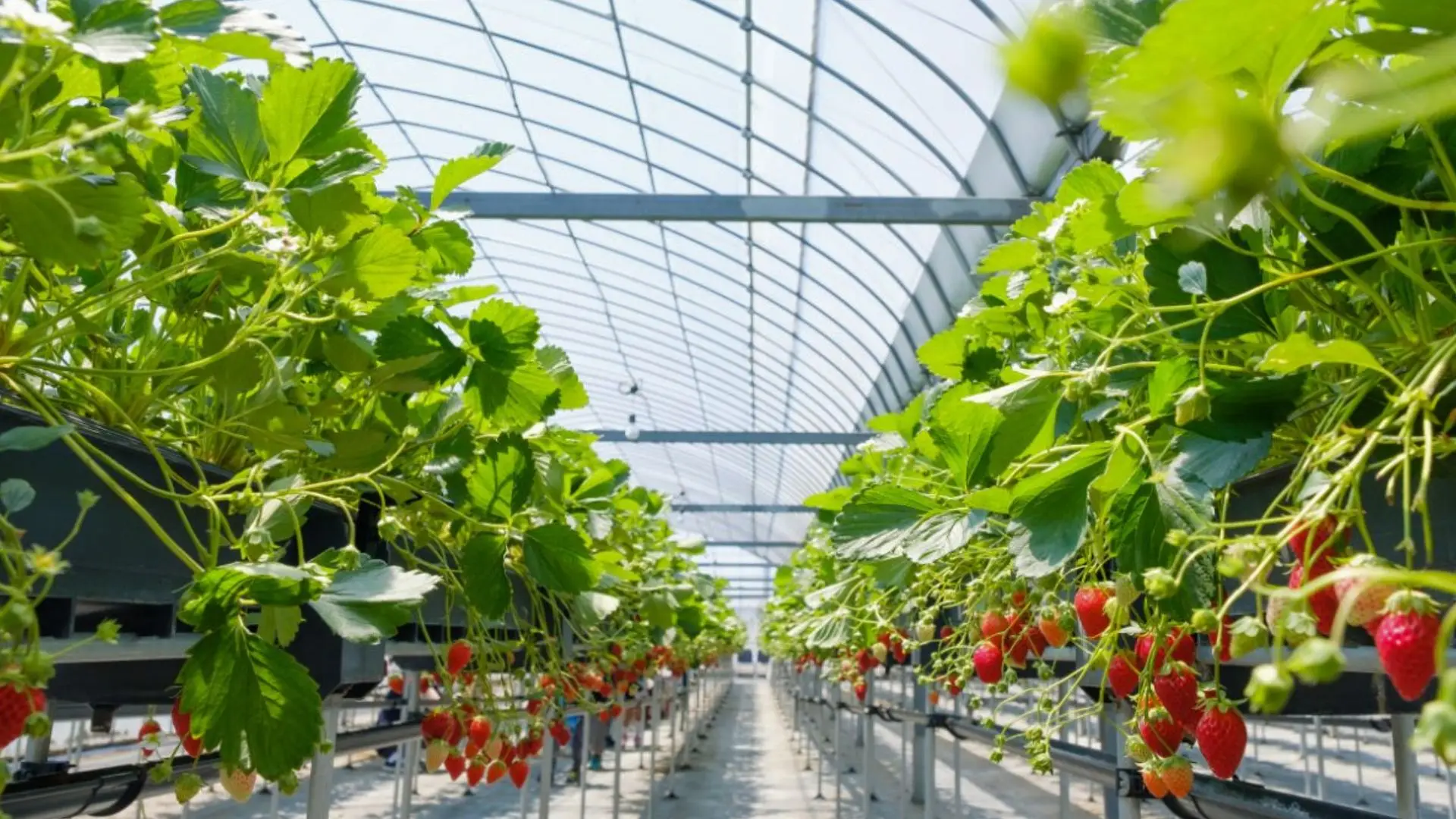
Strawberries grow happily in pots or hanging baskets indoors. They need six or more hours of bright light each day.
Small everbearing types fruit again and again through the season. A few plants on a sunny ledge can hand you fresh berries for months.
Grow Tomatoes Indoors vs Grow Tomatoes Outdoors
Both methods can give you ripe tomatoes, and knowing how to plant tomato seeds either way helps you pick the setup that fits best.
| Factor | Grow Indoors | Grow Outdoors |
|---|---|---|
| Start time | Any time of year, with a head start on spring | Tied to the last frost date |
| Light | Needs a sunny window or grow lights | Gets full sun for free |
| Space | Works in small pots and tight spots | Needs garden beds or large containers |
| Temperature | Steady and easy to control | Shifts with the weather |
| Pests | Fewer bugs to fight off | More exposure to garden pests |
| Yield | Smaller, best for dwarf and bush types | Larger, ideal for tall vine types |
Conclusion
So the whole trick of when to start tomato seeds indoors really comes down to a little backward math.
Find your last frost date, count back six to eight weeks, and mark the day. Your zone, climate, and tomato type just tweak that window a little.
Get the timing right, and you get a lot in return: strong seedlings, an early harvest, and a homegrown taste no store can match.
There is something quietly satisfying about eating a tomato you started from a tiny seed. Now, go grab a seed packet, check your frost date, and start planting this season.
Frequently Asked Questions (FAQs)
1. Is February Too Early to Start Seeds Indoors?
For most zones, it is too early, though warm regions like zone 8 can sow in late winter.
2. How Deep Should Tomato Seeds Be Planted?
Plant them about a quarter-inch deep, roughly three times the size of the seed.
3. What is the Best Month to Start Growing Tomatoes?
March suits most gardeners, but your last frost date sets the real start month.
4. What’s the Best Homemade Fertilizer for Tomatoes?
A mix of compost or worm castings works well and feeds the plants gently.