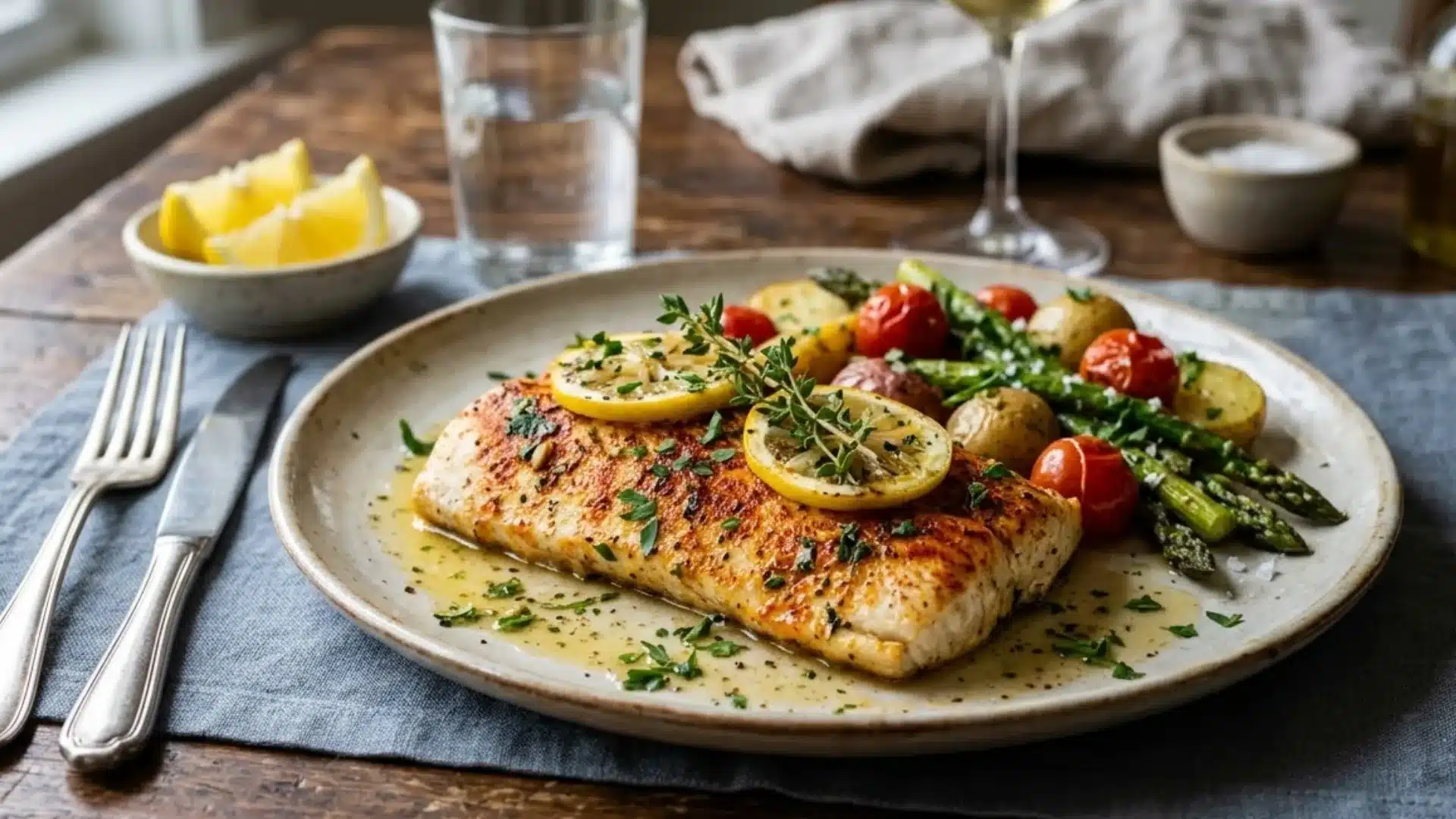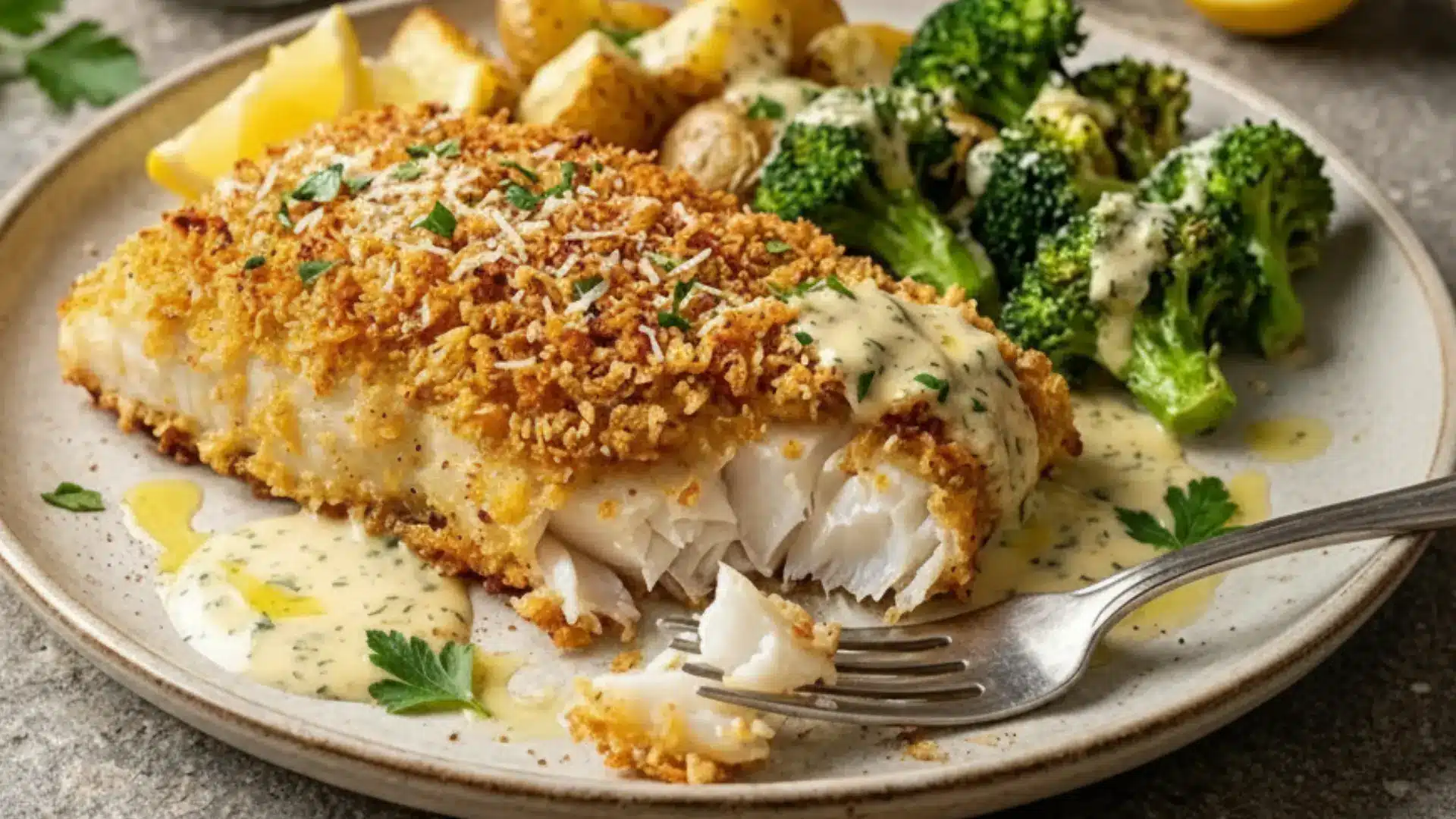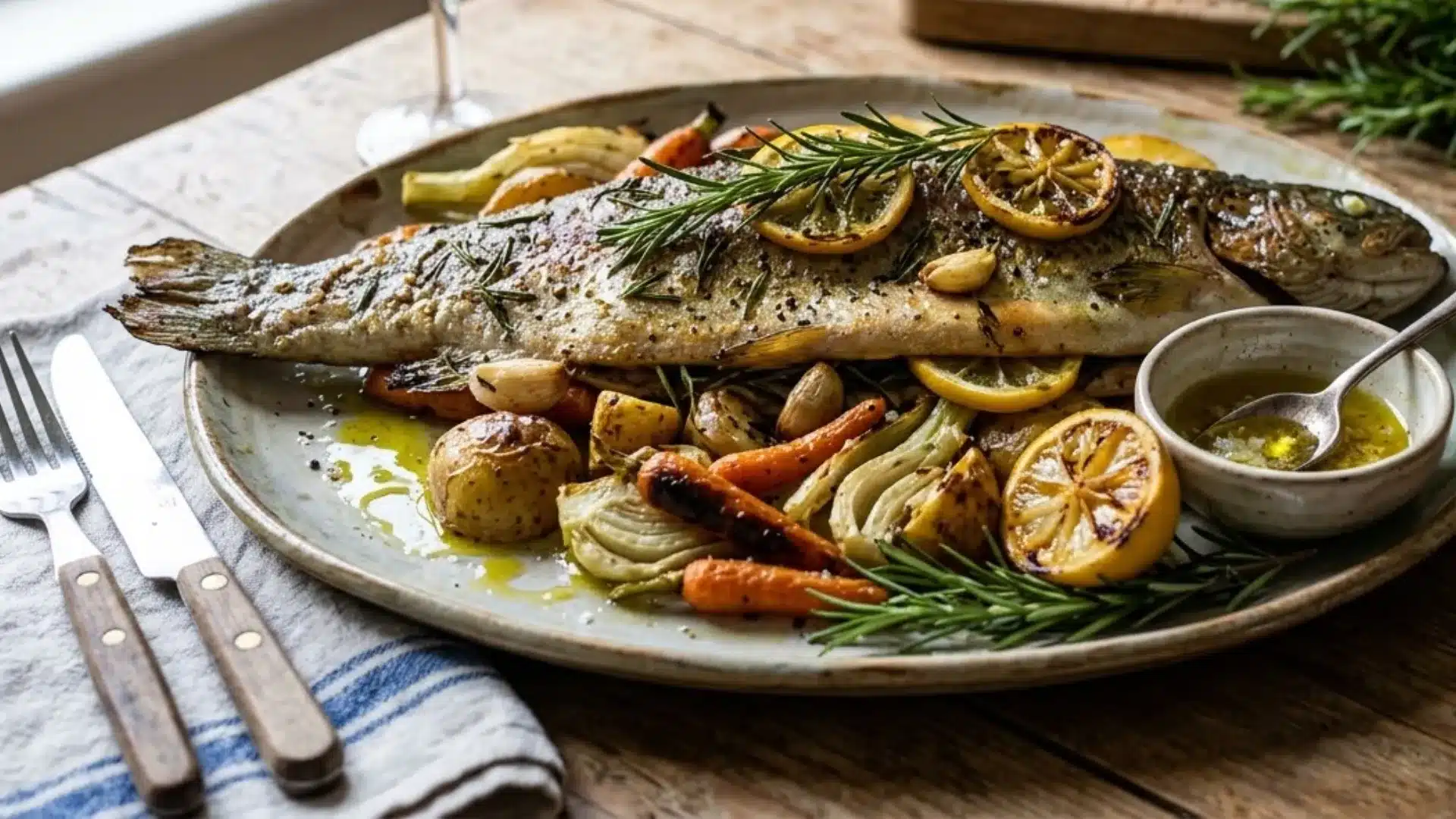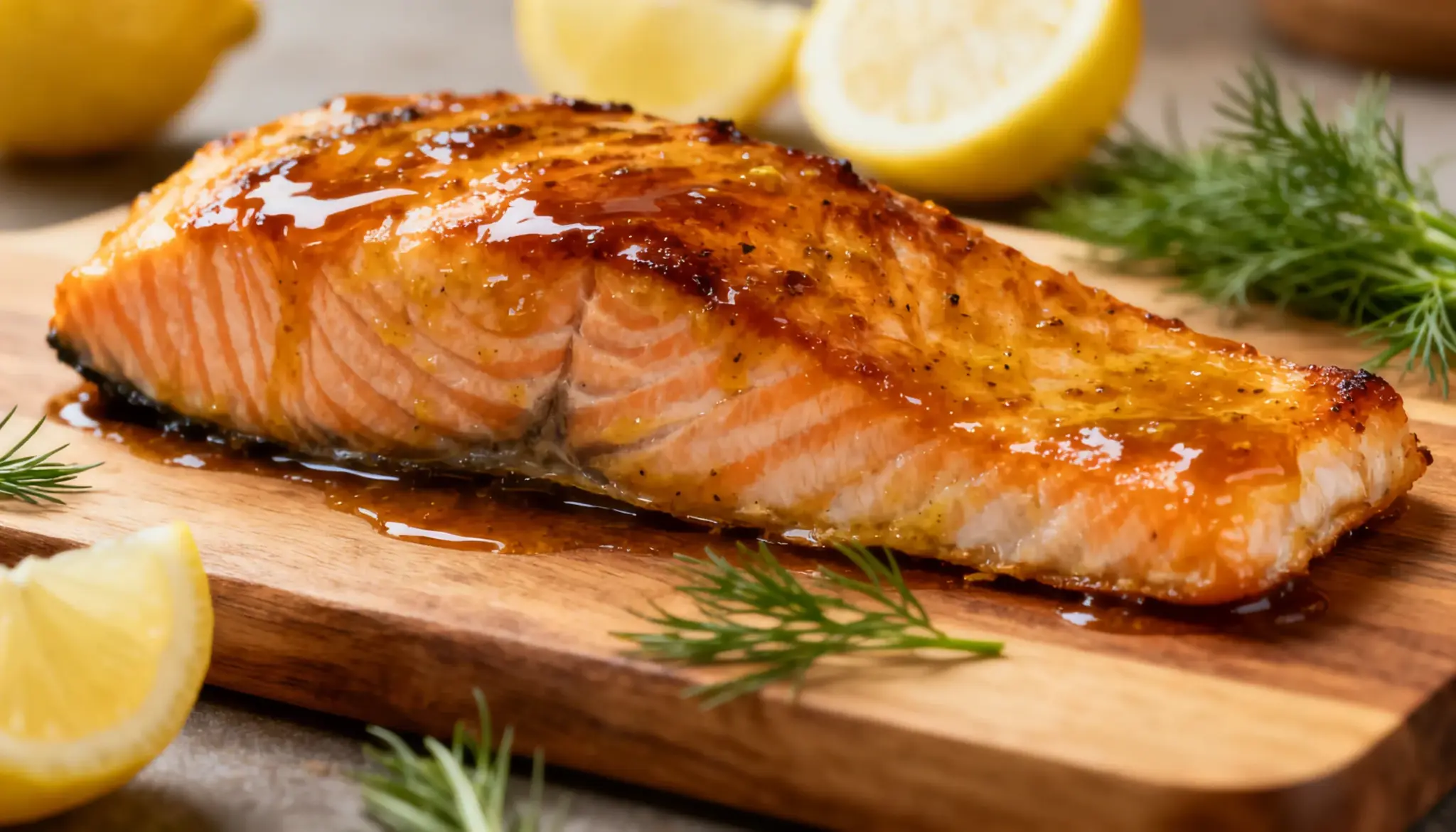


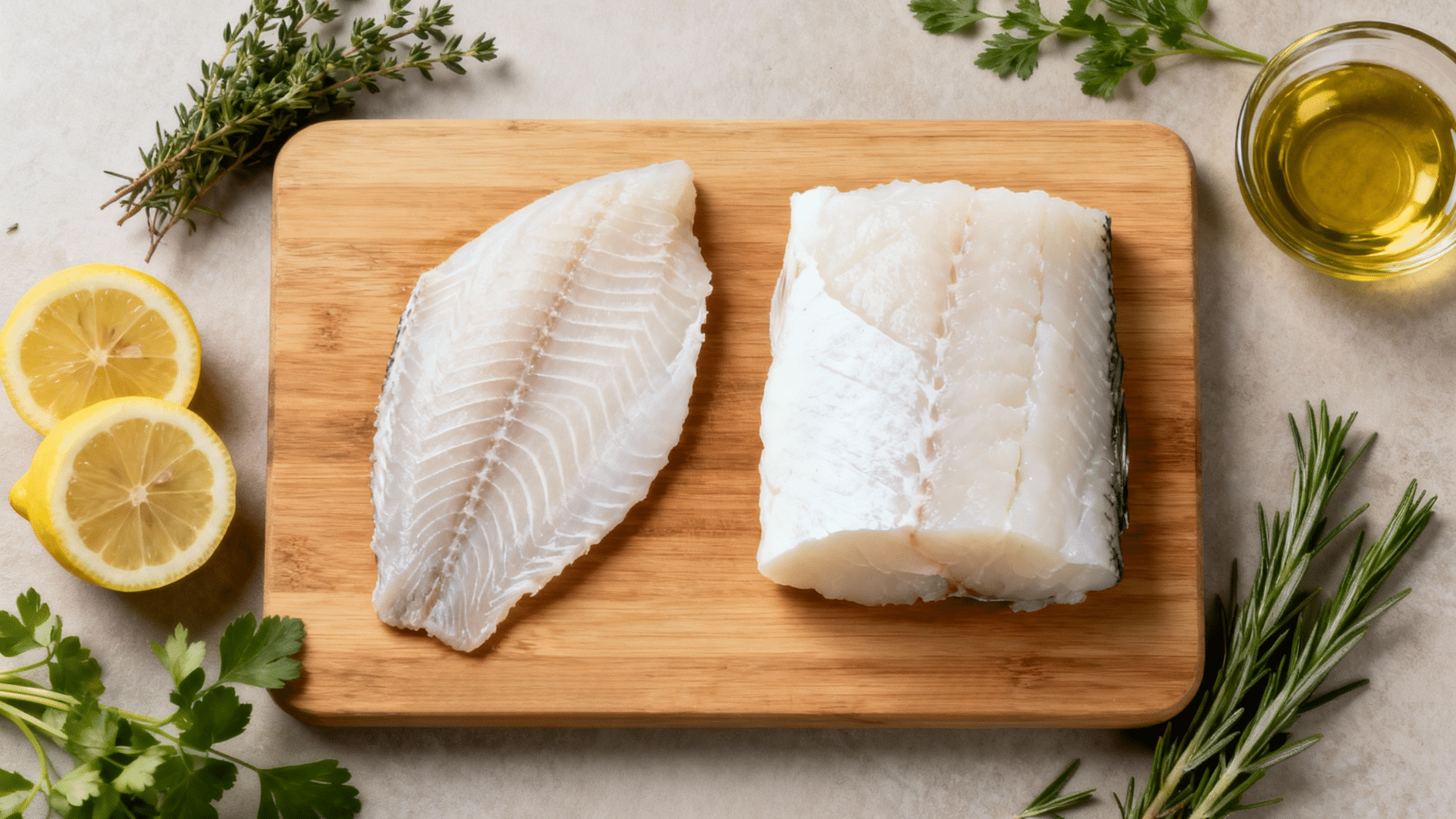
Staring at two identical fillets with different price tags, I wondered what made haddock vs cod so different beyond cost.
Turns out, the differences run deep. From taste and texture to cooking methods and sustainability, these fish have distinct personalities.
Here’s exactly which one belongs on your plate tonight.
Difference in Taste
Imagine this. You’re at the fish counter, staring at two nearly identical white fillets. One says “cod,” the other “haddock.” Your recipe just says white fish.
Does it really matter?
Most people think all white fish taste the same. A blind taste test at a dinner party proved otherwise. Both fish were grilled with just olive oil, salt, and lemon. The results were surprising.
These two fish may look like twins, but they have distinct personalities. One is slightly sweeter with a firmer bite. The other is subtler with a soft, butter-like flake.
Your choice impacts taste, cost, and even your recipe’s success.
Haddock vs. Cod: Key Difference
Here’s everything laid out side by side so you can see exactly how these two stack up.
| Aspect | Cod | Haddock |
|---|---|---|
| Flavor | Extremely mild and neutral, almost sweet | Slightly sweeter with a more pronounced fish flavor |
| Best for neutral recipes? | Yes, absorbs other flavors easily | Has its own subtle character |
| Texture | Firmer and flakier with larger flakes | More tender and soft with finer flakes |
| Mouthfeel | Meaty and substantial | Soft and buttery |
| Fillet Thickness | Thicker, chunkier cuts | Thinner, more uniform fillets |
| Frying | Excellent, stays firm | Good, but softer |
| Baking | Holds shape well | Needs gentle handling |
| Poaching | Very forgiving | Perfect, stays moist |
| Broiling | Great for high heat | Can dry out faster |
| Seasoning Absorption | Soaks up marinades like a sponge | Takes on flavors but keeps its identity |
Nutrition Comparison
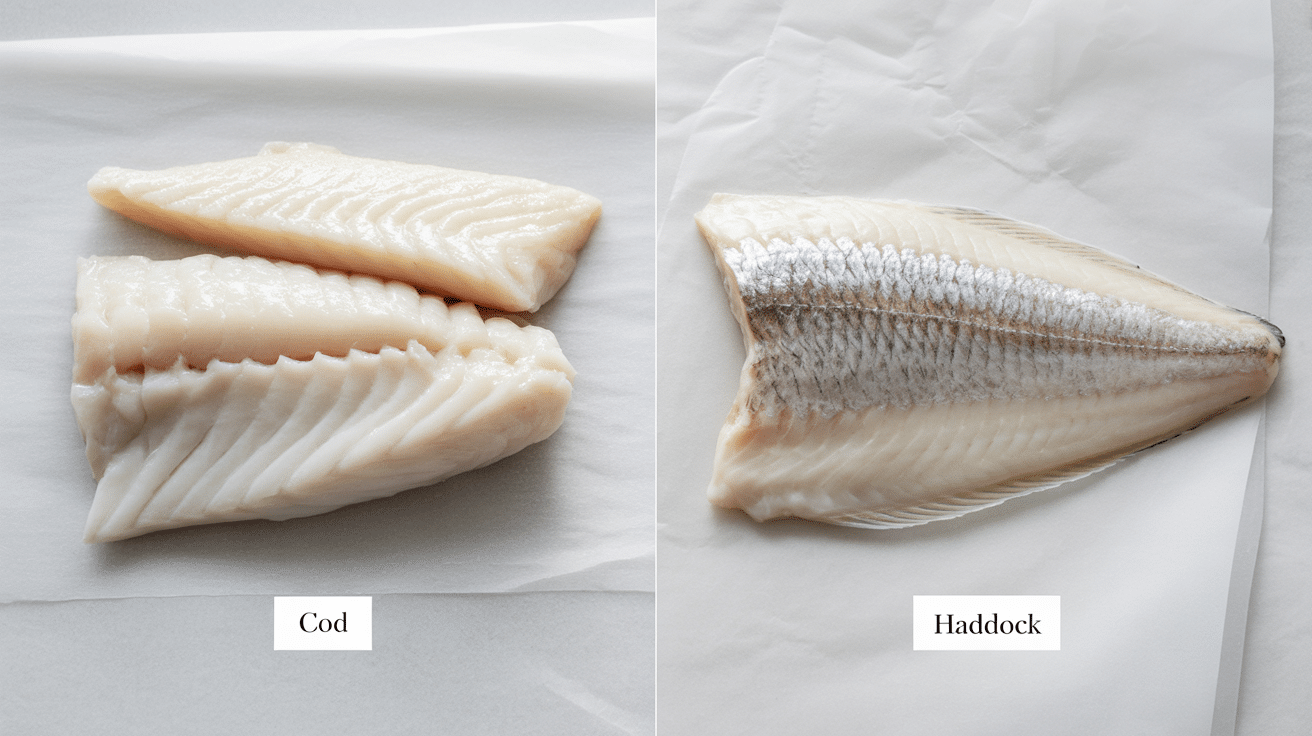
Most people assume these fish are nutritionally identical. Not quite.
Calories and Macronutrients
- Cod has 89 calories and 19g protein per 3-ounce serving.
- Haddock has 74 calories and 16g of protein per serving.
Protein Content
- Cod delivers 19-20g of complete protein, covering 40% of daily needs.
- Haddock offers 16-17g of easily digestible protein.
Omega-3 Fatty Acids
- Cod provides 200-300mg for heart and brain health.
- Haddock delivers 150-200mg of essential fatty acids.
Vitamins & Minerals
- Cod gives 100%+ daily B12, plus selenium, B6, and phosphorus.
- Haddock matches B12 and adds niacin, magnesium, and iodine.
Which is Healthier?
- Cod wins for protein and omega-3s.
- Haddock wins for fewer calories.
Neither is dramatically healthier. Choose what you’ll actually cook. While nutritional details provide useful guidance, flavor remains one of the most decisive factors.
The Taste Test
When people ask about haddock vs cod, they’re usually wondering which tastes better. It depends on your preferences.
What Does Haddock Taste Like?
- Slightly sweet with subtle nutty undertones
- More pronounced fish flavor than cod
- Still mild enough for fish-skeptics
- Soaks up marinades and seasonings beautifully
How Cod Compares in Flavor
- Famous for its subtle, almost neutral taste
- Subtle briny quality, like a whisper of the ocean
- Clean and fine overall
- The safer bet for people who claim they “don’t like fish.”
Best Ways to Cook Each Fish
Now we’re getting to the practical stuff. You know how they taste and feel, but how do you actually prepare them?
Haddock
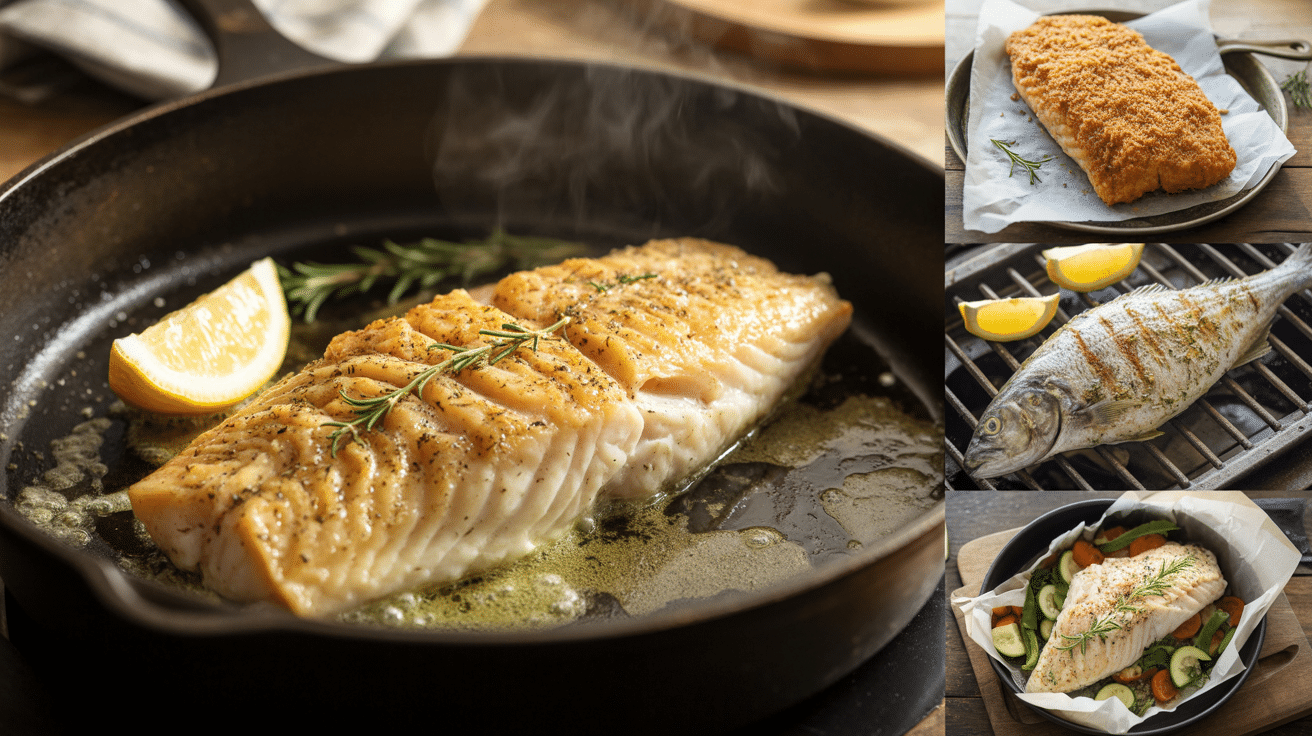
1. Go for the pan-sear
That firm texture I mentioned? It makes haddock ideal for getting a golden-brown crust.
Heat a skillet with olive oil and butter, season the fillet with salt and pepper, and let it sizzle, skin-side down, for 4-5 minutes.
Flip once, cook another 3 minutes, and you’re done.
2. Make traditional fish and chips
In the UK, haddock is the gold standard for this classic dish. The firm flesh stands up well to deep-frying.
Dip it in beer batter or a simple flour coating, and it emerges crispy on the outside while staying moist inside.
3. Try baking with breadcrumb toppings
New England-style baked haddock features a buttery breadcrumb crust that turns golden and crispy in the oven.
Mix panko or crushed crackers with melted butter, spread it over the fillet, and bake at 400°F for about 15 minutes.
4. Experiment with smoking
Haddock takes to smoking exceptionally well.
The Scottish tradition of Arbroath smokies (smoked haddock) has been around for centuries because it works so perfectly with this fish’s flavor profile.
Cod
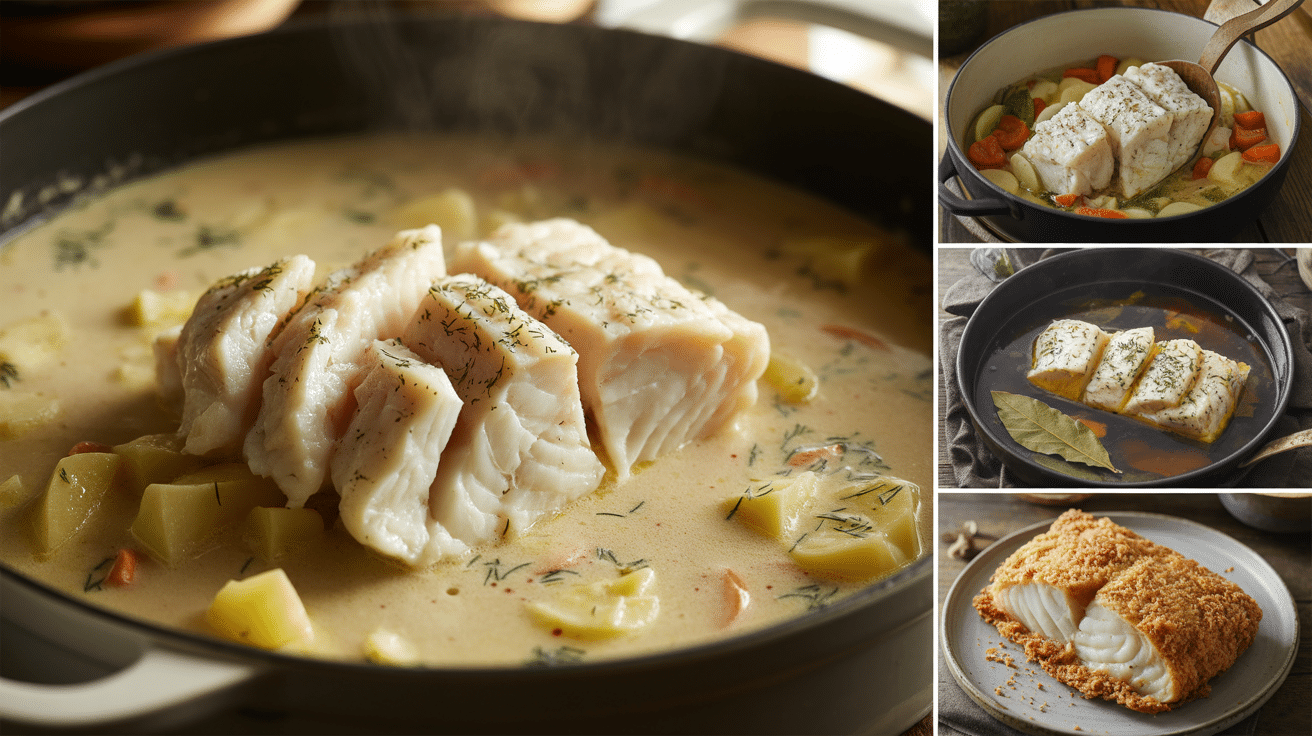
1. Comforting stews and chowders
Here’s where cod truly excels. Those large flakes stay intact in liquid-based dishes, giving you satisfying chunks of fish in every spoonful.
New England fish chowder traditionally uses cod for good reason.
2. Beer-battered preparations
While haddock gets the glory in fish and chips, cod works wonderfully here, too.
The thicker fillets mean you get a better ratio of fish to batter, and the mild flavor lets the crispy coating shine.
3. Gentle baking and broiling
Cod responds beautifully to oven cooking at moderate temperatures.
Wrap it in parchment paper with vegetables and white wine (en papillote), or simply bake with lemon and herbs at 375°F.
4. Light poaching
Simmer cod in fish stock or white wine with aromatics, and you’ll get incredibly tender, flavorful fish. This method keeps it moist and highlights its fine nature.
Culinary performance is only one factor; sourcing and environmental impact add another layer.
Related Read: White Fish Recipes
Sustainability and Environmental Impact
Your fish choice affects ocean health. Atlantic cod got hammered by overfishing in the 1990s. Pacific cod from Alaska is smarter. Haddock recovered thanks to stricter fishing rules.
Most comes from healthy, well-managed waters now.
Look for Marine Stewardship Council certified labels or wild-caught from Alaska and Iceland. The Seafood Watch app helps too.
Haddock wins the sustainability contest. Pacific cod works if responsibly sourced. Just check the label or ask your fishmonger.
Beyond ocean ethics, there’s another practical factor.
Sustainability practices often translate into differences in availability and pricing.
Price and Availability
Let’s talk money and where to find these fish.
| Aspect | Cod | Haddock |
|---|---|---|
| Price Range (fresh) | $10-15 per pound | $12-18 per pound |
| Availability | Everywhere – grocery stores, fish markets, restaurants | Regional – more common on the East Coast and the UK |
| Frozen Options | Widely available nationwide | It can be harder to find inland |
| Regional Pricing | Consistent across most areas | Better prices near coastal regions |
| Budget Winner | Yes, more affordable and accessible | Slightly pricier but not wildly expensive |
The Regional Factor
Coastal shoppers enjoy fresh, affordable options for both. Inland? Expect frozen fish or higher prices, with cod winning on budget and availability.
Making Your Decision: Which to Choose?
After looking into the flavors, textures, and sustainability, how do you actually choose?
Reach for haddock when you want
- A slightly sweeter, more distinctive taste
- A more sustainable choice in most cases
- The classic fish for traditional fish and chips
Pick cod when you prefer
- The mildest possible fish flavor
- Ultra-flaky texture for stews and chowders
- Thicker fillets with more meat per piece
The best fish depends on your meal. Fish and chips call for haddock. New England chowder demands cod as the classic choice. For sustainability, haddock takes the lead.
The Bottom Line
So there you have it. Choosing between these two fish doesn’t have a single right answer.
Both bring something valuable to your table. Cod delivers a neutral flavor and thick fillets. What does haddock taste like? Slightly sweeter with more character and better sustainability.
Neither disappoints nutritionally.
Stop overthinking it. I found my favorite only after trying several ways. Grab whichever looks freshest at your market.
Pick one, season it well, don’t overcook it, and enjoy.