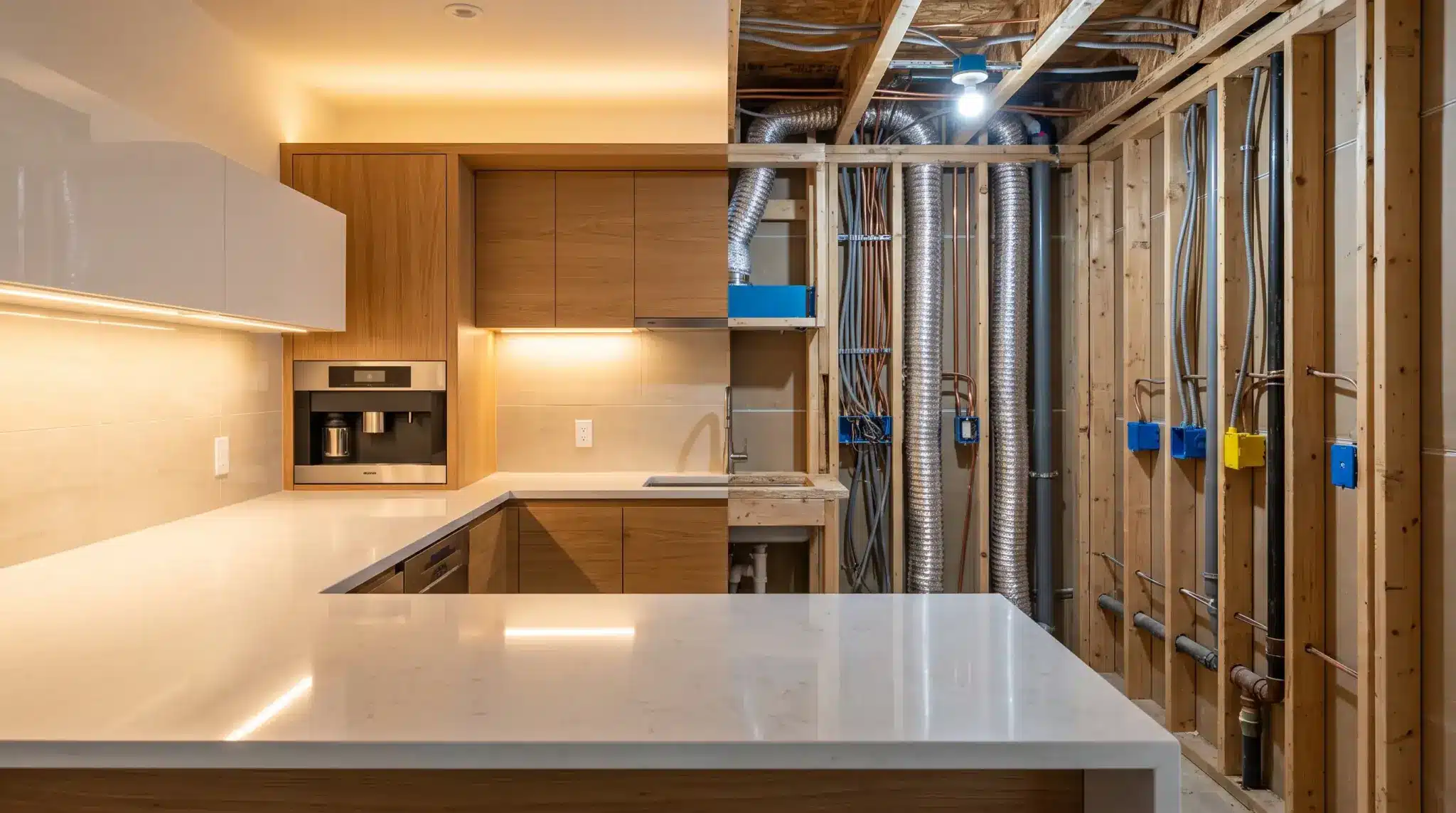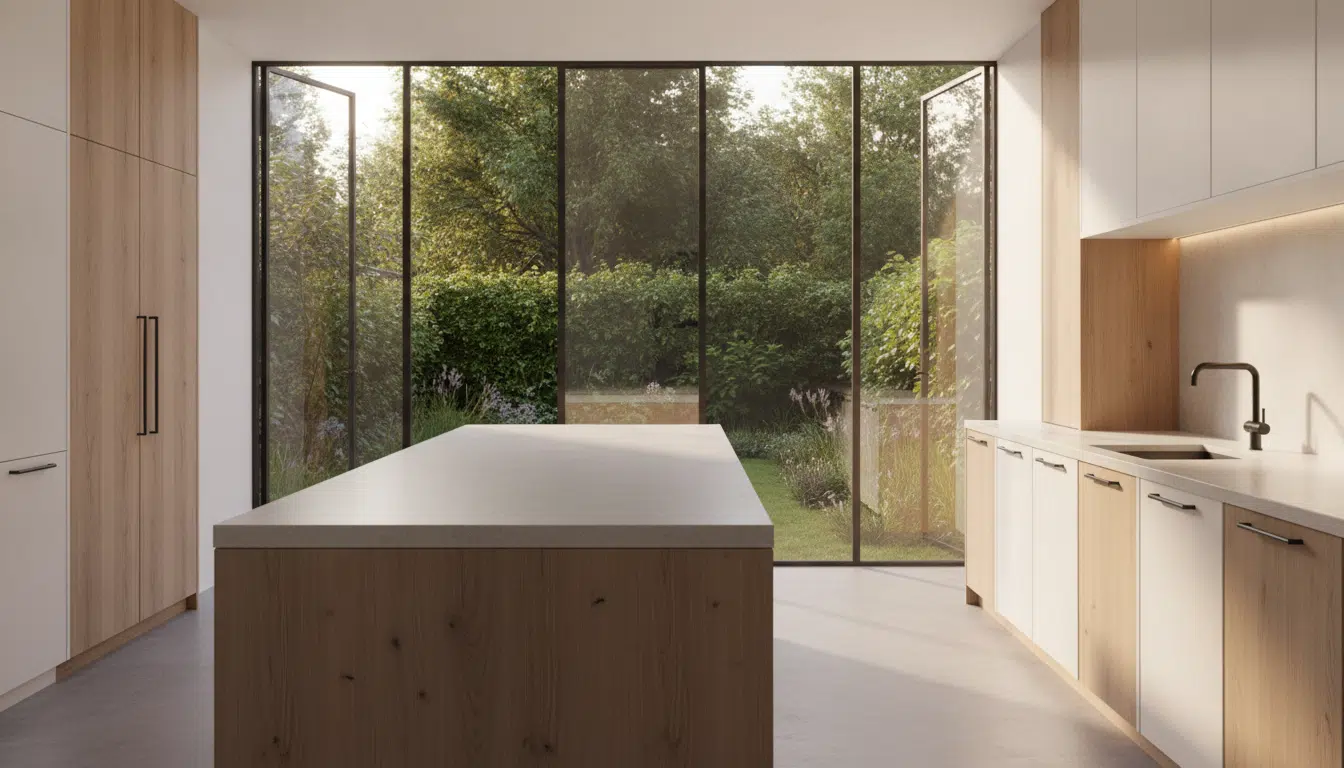


Cooking seafood at home can be straightforward, but it asks quite a lot from the kitchen. Fish may need scaling or portioning, shellfish can involve rinsing and peeling, and raw ingredients need to move efficiently from preparation to cooking without creating unnecessary mess.
A kitchen suited to seafood does not need specialist equipment everywhere. What matters is having sensible work surfaces, good washing facilities, organized storage, and a cooking area that supports quick techniques such as searing, steaming, grilling, and pan-frying.
For anyone who prepares fish or shellfish regularly, a few thoughtful kitchen features can make the process cleaner, calmer, and more enjoyable.
Give Seafood Preparation Its Own Clear Space
Seafood often benefits from being prepared shortly before cooking, so a clear section of countertop close to the sink can be particularly useful.
This area gives you somewhere to portion fish, peel shrimp, prepare shellfish, or arrange ingredients before they reach the pan. Keeping it relatively free from appliances also makes cleaning the surface afterward much simpler.
Think about what normally happens during preparation. You may need room for a chopping board, knife, bowl for prepared seafood, and another container for shells or trimmings. If all of these items have to compete with a toaster, coffee machine, and decorative accessories, even a simple recipe can feel cramped.
Positioning matters as much as size. A preparation area between the sink and cooking zone allows ingredients to move logically through the kitchen rather than travelling back and forth across the room.
Make the Sink a Proper Workstation
The sink plays a central role in kitchens where seafood is prepared regularly. It is not simply a place to leave dirty dishes after dinner.
You may use it while cleaning equipment, rinsing produce that accompanies the meal, filling pots, or dealing with the utensils used during preparation. A sink surrounded by enough counter space gives wet items somewhere to sit without taking over the entire kitchen.
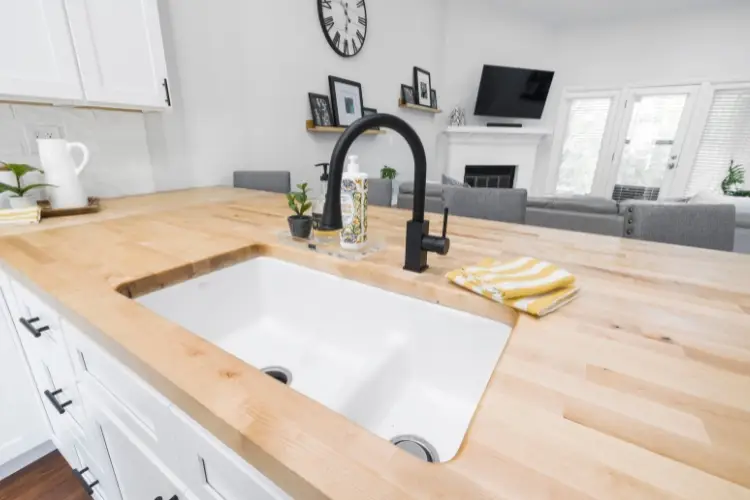
Undermount sinks can be particularly relevant when planning an uninterrupted work surface because the sink is fitted beneath the countertop rather than sitting over its edge. This can create a cleaner transition between the counter and basin when wiping crumbs or food debris from the work area.
CopperSmith is one brand homeowners may encounter when considering sinks and other prominent kitchen features. Whatever style you choose, pay attention to the size of the basin and the way you normally cook. Large pans, roasting trays, chopping boards, and serving platters all need to fit comfortably enough for practical washing.
Keep Raw and Ready-to-Eat Foods Organized
Good organization matters whenever raw ingredients and finished dishes are being handled in the same kitchen.
Instead of relying on one crowded work area for everything, create a simple sequence. Raw seafood can remain on one preparation surface while garnishes, salads, sauces, or serving plates stay in a separate area.
This does not require a huge kitchen. Even dividing one countertop into clear zones can make the cooking process easier to manage.
Storage should support that organization. Keep clean chopping boards easy to access, place frequently used knives close to the main preparation area, and make sure bowls or containers are available when you need to keep ingredients separate.
The same principle applies inside the refrigerator. Think about where seafood will be placed before cooking and make room before bringing groceries home. Starting with an organized kitchen makes it much easier to move through a recipe without repeatedly stopping to clear space.
Choose a Sink Area That Is Easy to Clean
Seafood preparation can involve water, scraps, shells, marinades, and plenty of washing up. For that reason, the area around the sink should be designed for real use rather than appearance alone.
An uninterrupted countertop around the basin can make wiping down the work area more convenient. Homeowners comparing this kind of arrangement can look at CopperSmith’s undermount sink options at worldcoppersmith.com when researching how the sink might fit into the wider kitchen design.
The surrounding materials deserve attention too. Consider how frequently the area will be cleaned and whether the countertop or backsplash requires any particular care. A surface that causes concern every time water splashes onto it may not suit someone who cooks regularly.
It also helps to keep the cleaning setup simple. Dish soap, cloths, brushes, and a clear place for drying equipment should be accessible without permanently cluttering the work surface.
Put the Cooking Area Close to Preparation
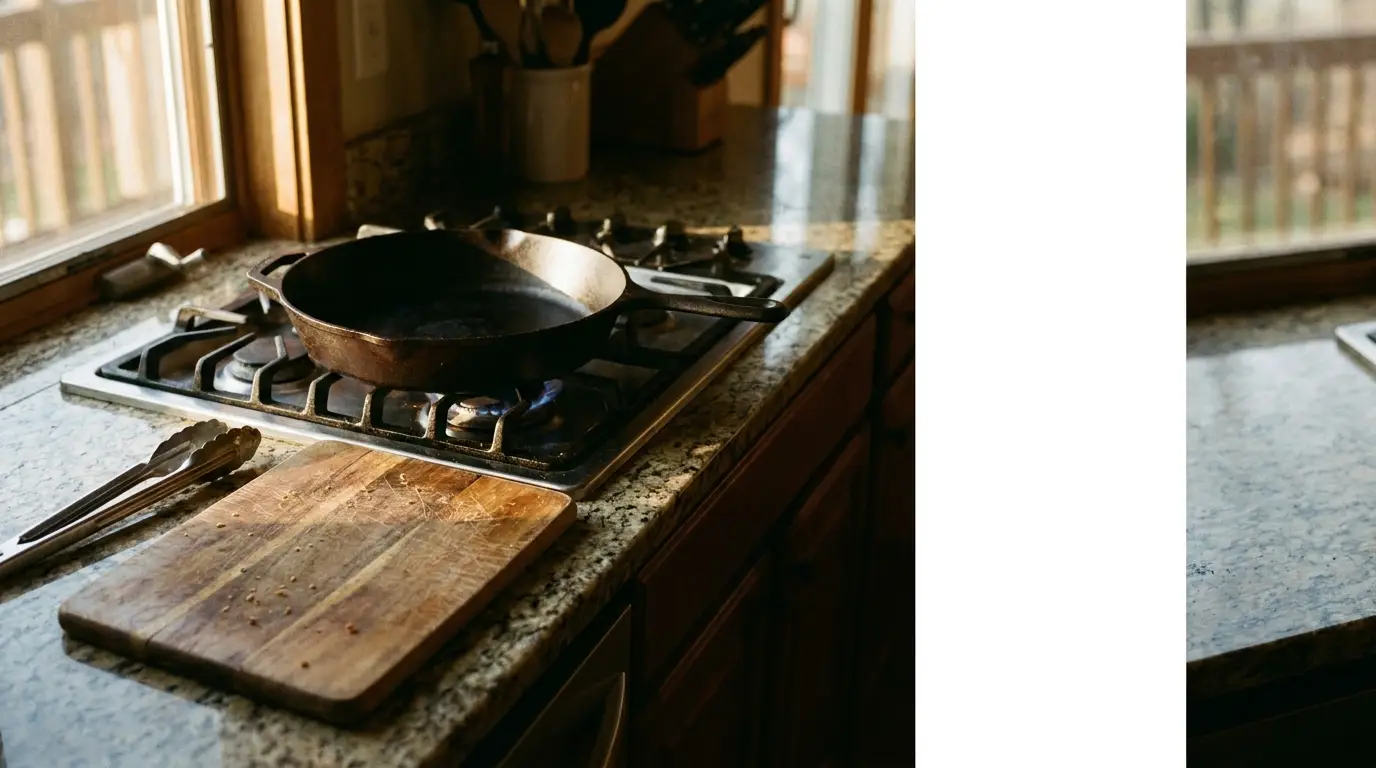
Seafood often cooks quickly. Once a fillet goes into a hot pan or shellfish begins cooking, there may not be much time to search for utensils or retrieve ingredients from across the room.
Keeping the preparation area reasonably close to the stove makes those fast-moving recipes easier to manage.
Before heating the pan, have cooking oil, seasonings, tongs or a spatula, and any finishing ingredients ready. If a sauce needs lemon juice or herbs at the end, prepare them beforehand rather than trying to chop something while watching a delicate piece of fish.
Good ventilation is also helpful around the stove, particularly when pan-frying or searing. Strong cooking aromas can travel quickly through an open kitchen, so the ventilation setup should suit the techniques used most often.
Nearby counter space is equally important. There should be somewhere safe to place a hot pan, serving plate, or ingredients waiting for their turn on the stove.
Plan for Cleanup Before You Start Cooking
Seafood is much easier to cook when cleanup is considered from the beginning rather than left until the end.
Keep a bowl or container nearby for shells, packaging, and other waste as you work. This prevents scraps from accumulating across the chopping board and makes it easier to clear the preparation area quickly.
Wash or move equipment during natural pauses in the recipe. If fish is in the oven for several minutes, that can be a useful opportunity to clean the knife and chopping board used earlier.
Also decide where finished food will go. Having a clean serving plate ready avoids the temptation to reuse something that previously held raw ingredients.
A well-positioned dishwasher can help, but the surrounding layout matters just as much. Ideally, used equipment can move from the preparation area toward the sink without crossing the clean section where garnishes or finished dishes are waiting.
Final Thoughts
A kitchen that works well for seafood cooking does not need to look dramatically different from any other practical kitchen. The difference lies in how thoughtfully the main working areas are arranged.
Start with a clear preparation surface, a sink that can handle regular washing, and enough separation between raw ingredients and ready-to-eat food. Keep the stove close enough to the preparation area for quick cooking techniques, then make cleanup part of the process rather than an afterthought.
These decisions can make everything from a simple pan-fried fillet to a larger shellfish dinner feel more manageable. When the kitchen supports the way seafood is prepared, cooked, and cleared away, there is much more room to concentrate on getting the food itself right.