

Keta salmon might not be the most famous fish in the sea, but it’s definitely one you should know about.
While other salmon, like Chinook and Sockeye, often get more attention, Keta has its own cool qualities that make it special.
It has a gentle flavor, a firm texture, and it’s great for all kinds of cooking. Some people call it “dog salmon,” which sounds funny, but there’s a good reason behind the name, and it doesn’t mean the fish is bad!
So, whether you have tried it before or are just hearing about it now, Keta salmon is worth learning about.
What is Keta Salmon?
Keta salmon is a type of salmon that not many people know about. It’s not as popular as Chinook or Sockeye salmon, but it’s still an interesting and tasty fish. Its scientific name is Oncorhynchus keta.
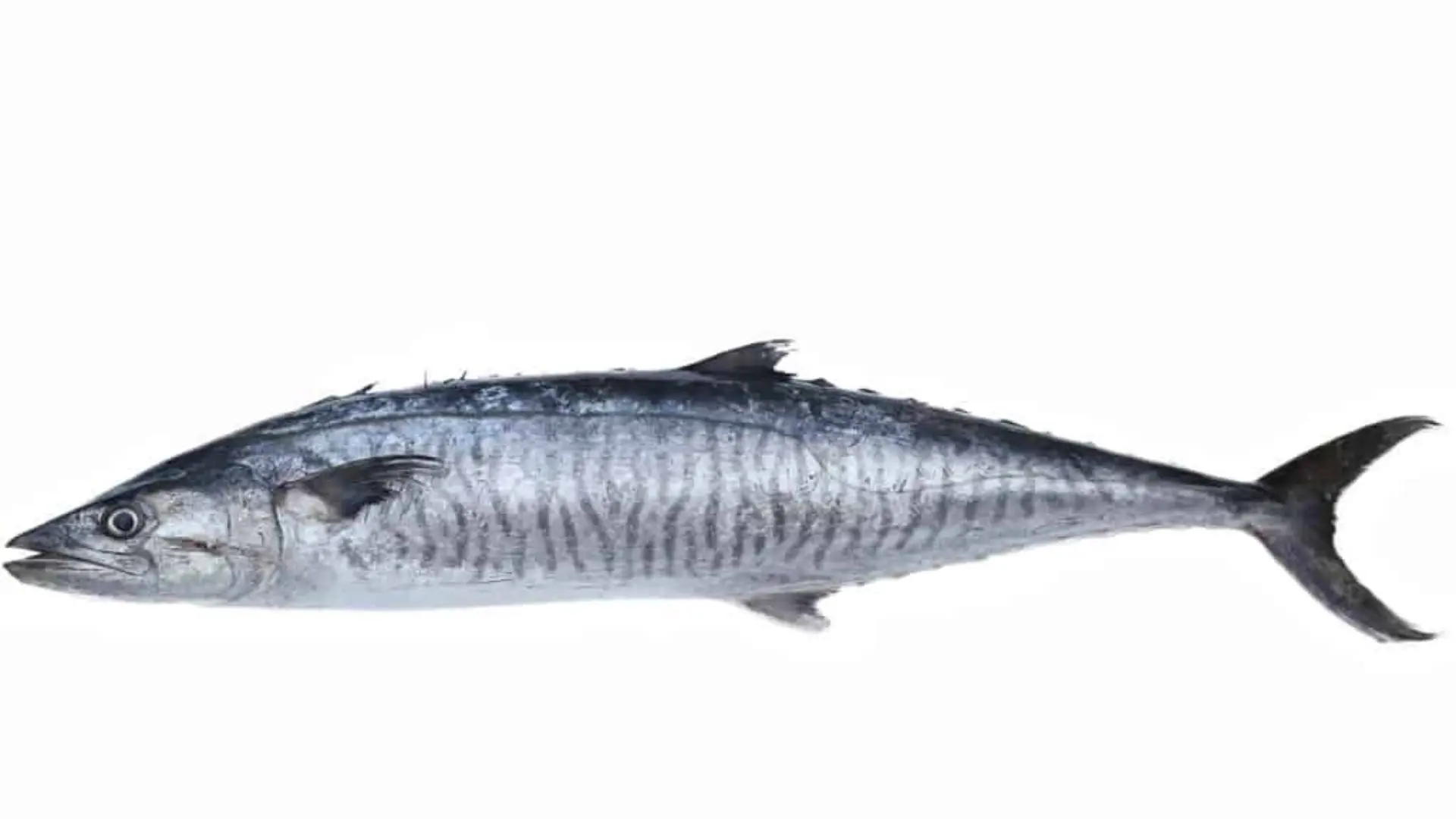
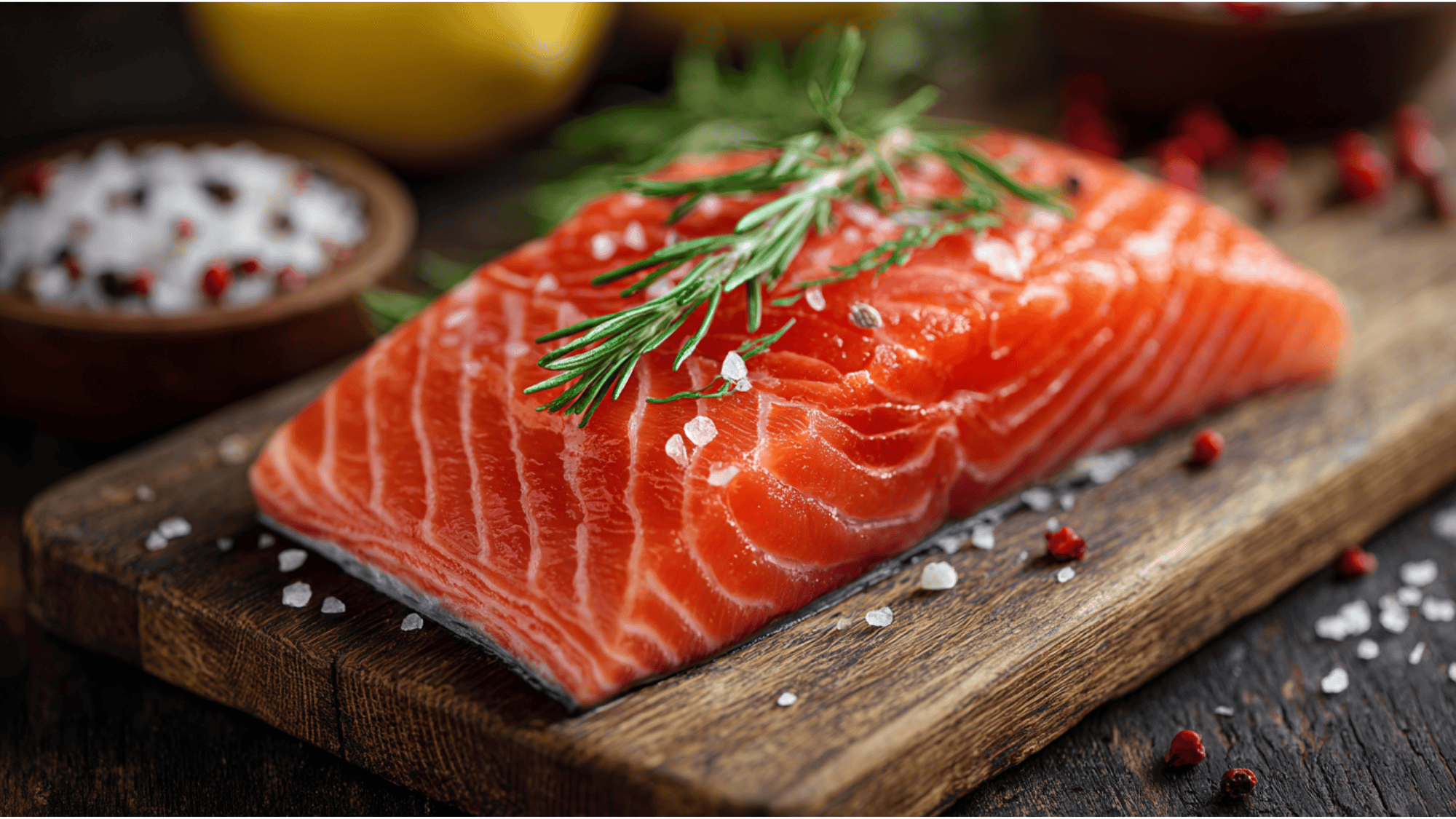
This has a shiny silver body with a darker back, which makes it easy to recognize. When cooked, its meat is light pink to orange and has a mild, clean taste.
One cool thing about Keta salmon is its journey. It is born in freshwater rivers and then swims to the ocean, where it grows up.
After a few years, it swims back to the river to lay eggs and complete its life cycle.
Key Characteristics & Life Cycle
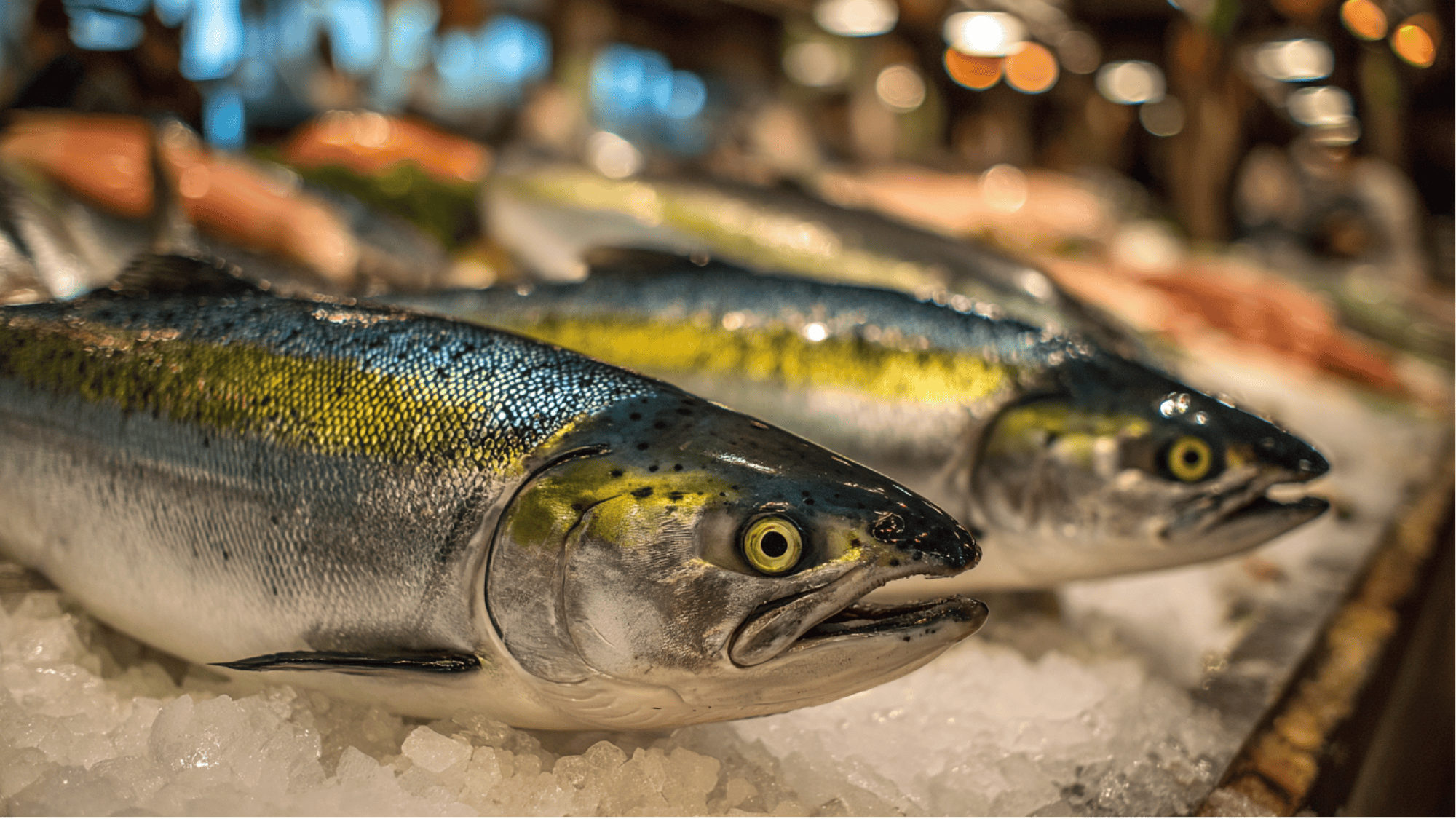
Keta salmon are stunning fish with their sleek, silvery-blue bodies dotted with black spots and that classic torpedo shape.
You will typically find them weighing anywhere from 8-20 pounds and stretching 24-28 inches long.
What’s interesting is how the males change during the spawning season. They develop this dramatic hooked jaw called a kype and grow fierce canine-like teeth for competing over mates. Talk about a makeover!
These excellent fish live an anadromous lifestyle: born in freshwater, they head to the ocean to grow up, then make an epic trek back home to spawn.
Nutrition, Cooking & Culinary Experience
Beyond its life cycle, keta salmon stands out on the plate.
This adaptable fish offers notable nutrition, easy-to-enjoy flavors, and cooking-friendly qualities that make it a great option for both health-conscious eaters and seafood lovers.
1. Nutritional Profile
Keta salmon offers a nutritional profile that health-conscious eaters appreciate.
At around 120 calories per 100 grams, it’s leaner than most salmon varieties while still delivering high-quality protein, omega-3 fatty acids, and essential nutrients like vitamin B12, vitamin D, selenium, and potassium.
2. Taste & Texture
The flavor is refreshingly mild compared to richer salmon types, with firm, meaty flesh that holds up beautifully to various cooking methods.
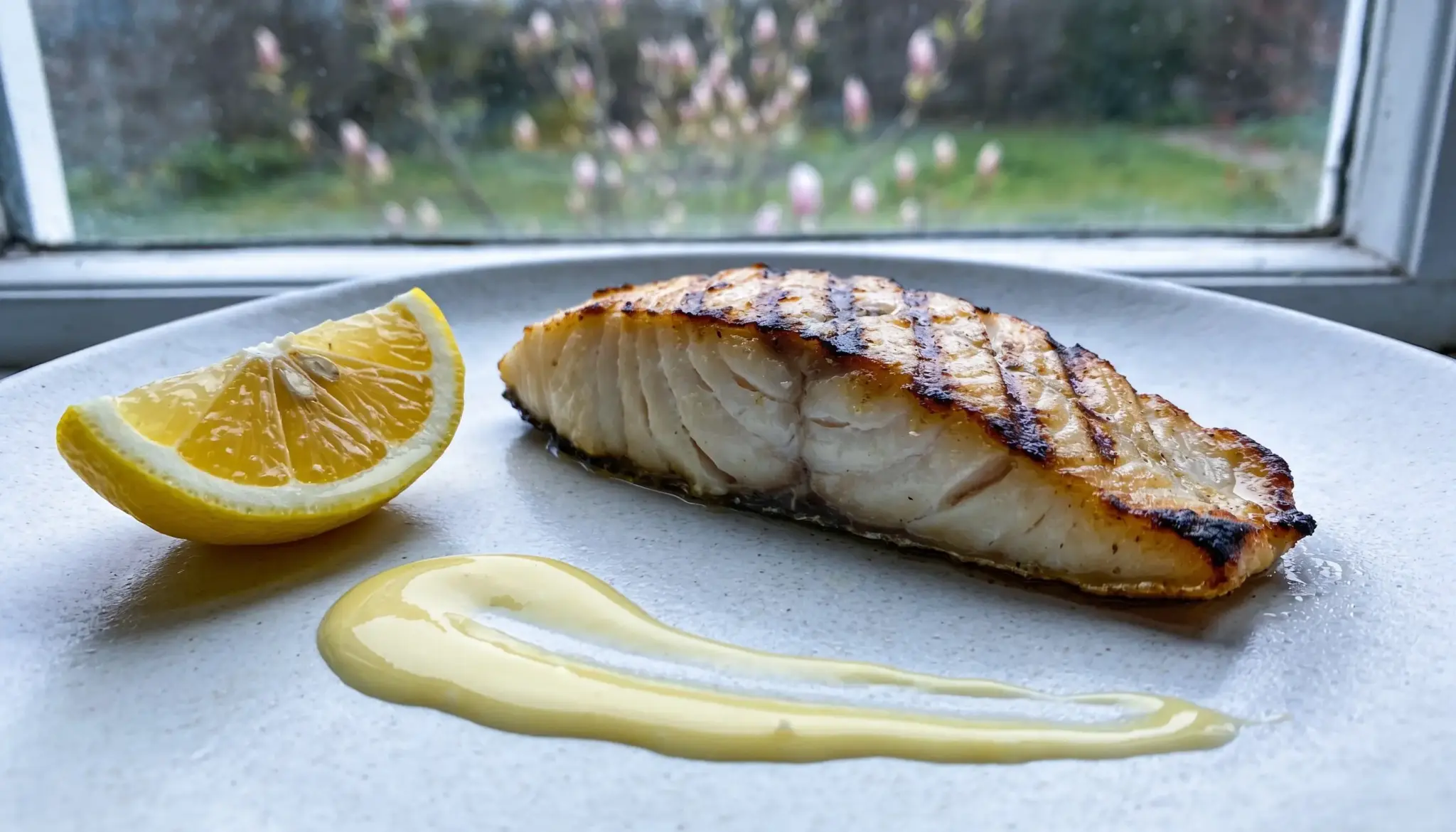
This versatility makes keta perfect for baking, grilling, smoking, or even serving as sushi when fresh.
3. Cooking Tips
The key to cooking keta successfully is gentle preparation techniques like pan-searing over medium heat or slow smoking, which help preserve its natural moisture and subtle flavor.
Many home cooks find keta salmon approachable for beginners since its mild taste won’t overwhelm those new to fish, while its firm texture makes it forgiving to cook.
Why It’s Called Dog Salmon, Debunking the Myths?
The “dog salmon” nickname has stuck around way too long, but there’s a pretty interesting story behind how keta salmon got all its different names.
Keta comes from the Evenki language through Russian, while chum comes from Chinook Jargon, meaning “spotted” – both names are rooted in rich cultural history.
So why “dog salmon”? Two main reasons: these fish were commonly fed to sled dogs, especially the lower-quality ones caught late in spawning runs.
Plus, those spawning males develop some seriously fierce canine-like teeth during mating season.
Today’s chefs and seafood folks are smart to rebrand this fish as keta or silverbrite. It’s about time!
This shift highlights the fish’s real culinary worth instead of those old, unfair associations. People are finally starting to appreciate what they’ve been overlooking all along.
Anglers & Diners: Personal Stories & Trends
What Fishing Communities Think About Keta Salmon?
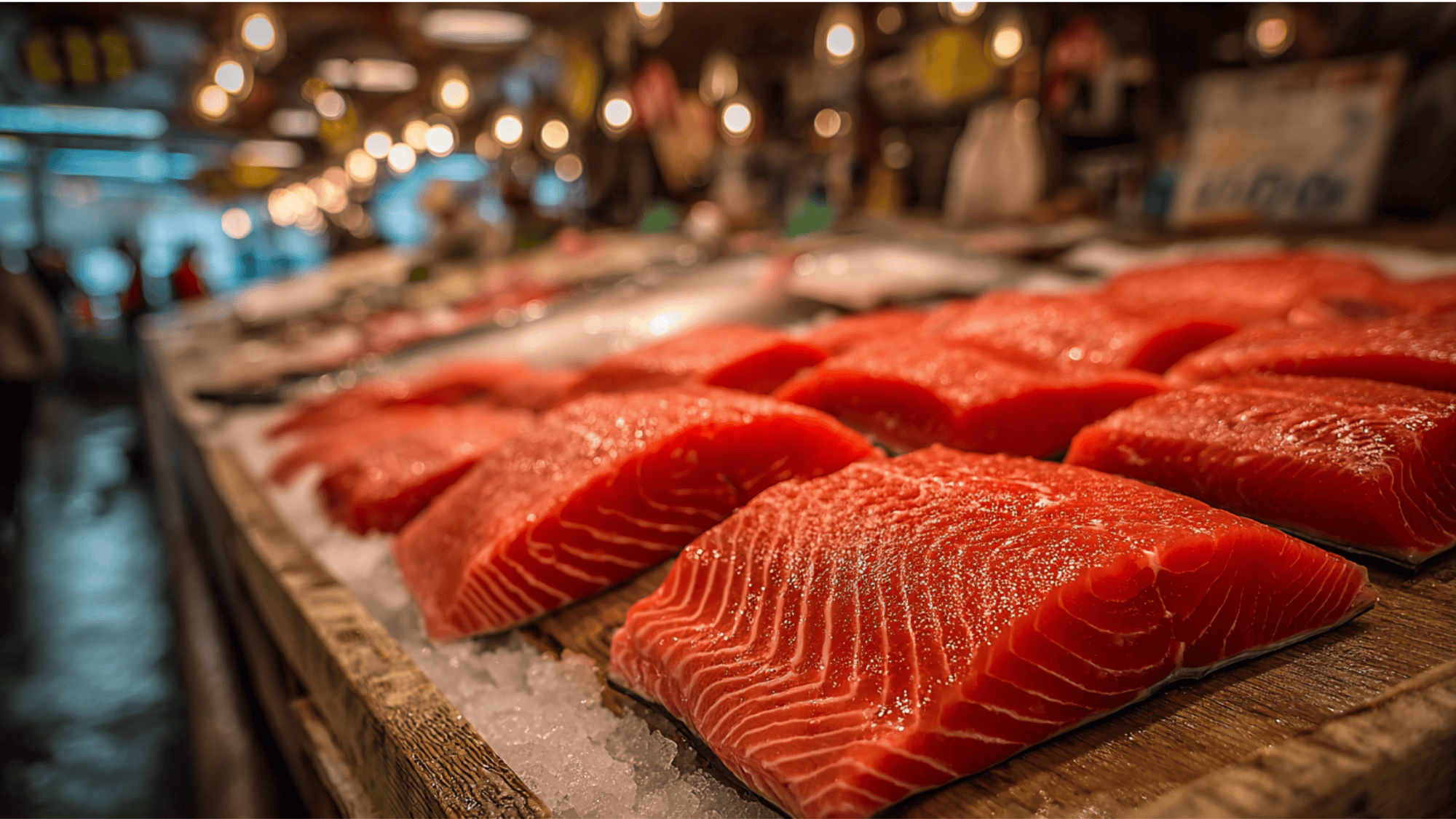
Yukon River fishermen have been leading this change, treating keta salmon with the same reverence they show king and sockeye varieties.
The key difference? Timing matters. Early-run keta, caught fresh from their ocean migration, offer significantly better quality than their late-season counterparts.
These experienced anglers know that a well-timed keta can rival any premium salmon.
What Diners Think About Keta Salmon?
The Reddit discussion about Keta (Chum) Salmon reflects mixed opinions. Some users criticize its reputation, citing it as dog salmon due to its historical use in pet food, while others defend its taste when prepared correctly.
One user enjoys it air-fried with lemon pepper, comparing it favorably to other salmon types, while others prefer higher-quality options.
The discussion is taken from Keta Salmon is fire: r/Cooking
Keta Salmon vs Other Salmon: How It Stacks Up
| SALMON TYPE | FAT CONTENT | FLAVOR PROFILE | BEST COOKING METHODS | PRICE POINT |
|---|---|---|---|---|
| Keta (Chum) | Lean | Mild, clean | Baking, grilling, smoking, canning, and sushi | Budget-friendly |
| King (Chinook) | Very high | Rich, buttery | Grilling, roasting, cedar plank | Premium |
| Sockeye (Red) | Medium-high | Bold, intense | Grilling, broiling, smoking | High |
| Coho (Silver) | Medium | Moderate, balanced | Pan-searing, baking, grilling | Mid-range |
| Atlantic | High | Rich, mild | Pan-searing, baking, and poaching | Variable |
This comparison reveals Keta’s sweet spot: it offers the health benefits and versatility of salmon without the premium price or overwhelming richness.
Final Thoughts
For decades, this poor fish dealt with a bad reputation it never deserved, all while quietly delivering great quality to anyone smart enough to give it a shot.
The shift from “dog salmon” to keta shows we’re finally waking up to amazing species that check all the boxes: environmentally responsible and delicious.
Sometimes the best options are the ones that have been right there all along, just waiting for us to notice.