

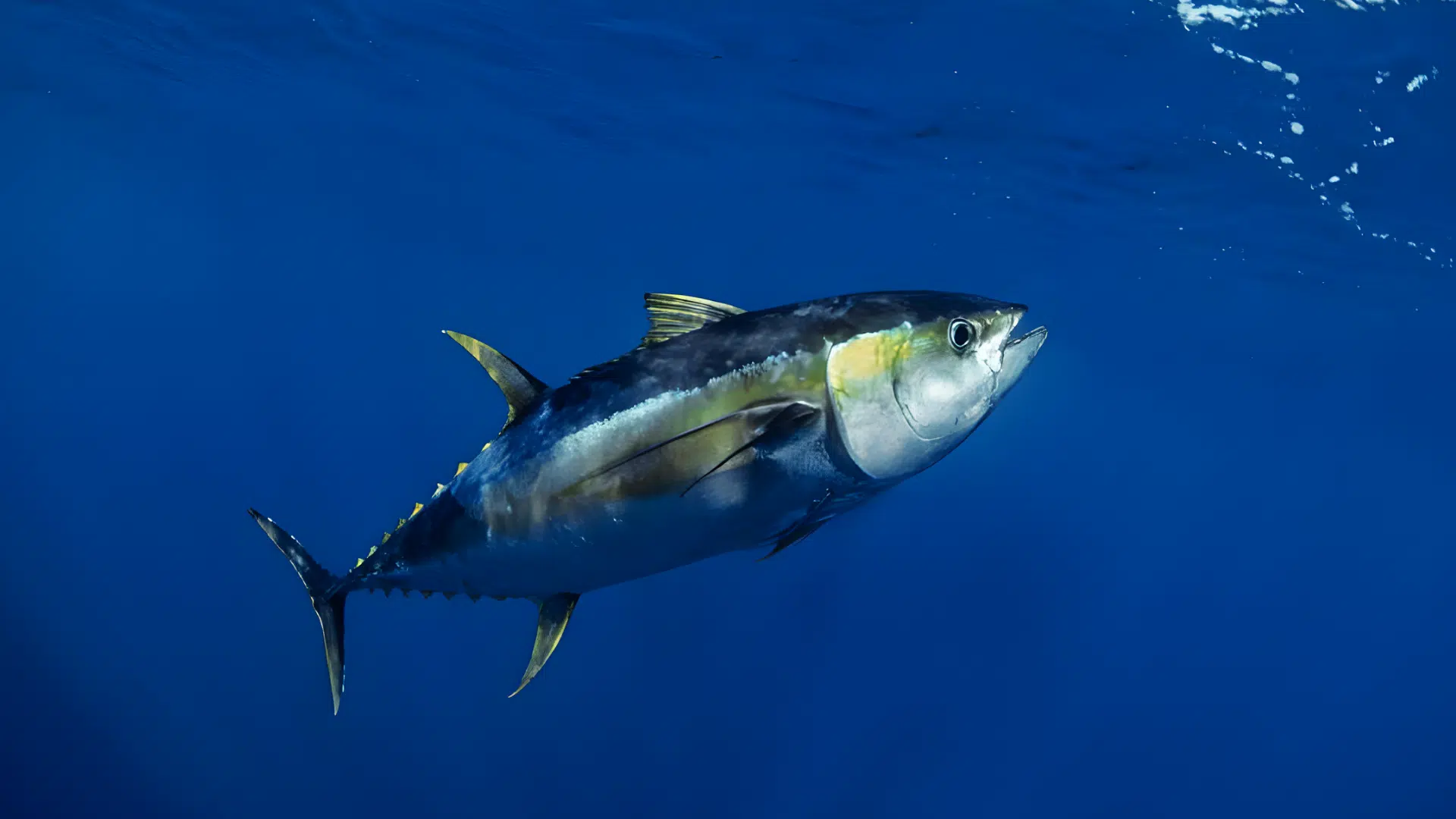
Ahi is a Hawaiian name for two types of tuna.
Few might know them as yellowfin or bigeye tuna. Restaurants use this term because it sounds more appealing on menus.
Yellowfin ahi has a mild flavor. It’s leaner than other tuna varieties. Bigeye ahi tastes richer and contains more fat. Both types work well for searing or eating raw.
The fish lives in warm ocean waters. It swims fast and grows quite large. Some ahi can weigh over 400 pounds.
People often see ahi in poke bowls and sushi. The meat has a deep red color when fresh.
The Difference Between Yellowfin and Bigeye Tuna
Ahi refers to two distinct tuna species. While both are referred to as ahi, yellowfin, and bigeye tuna have notable differences.
| Feature | Yellowfin Tuna | Bigeye Tuna |
|---|---|---|
| Flavor | Mild and clean | Rich and buttery |
| Fat Content | Leaner | Higher fat content |
| Texture | Firm and meaty | Softer and more tender |
| Color | Bright red | Deeper red to pink |
| Size | Up to 400 pounds | Up to 400 pounds |
| Price | Generally less expensive | More expensive |
| Best Use | Grilling, searing | Sashimi, raw preparations |
| Availability | More common | Less common |
| Taste Intensity | Lighter | More pronounced |
The Benefits of Eating Ahi Fish
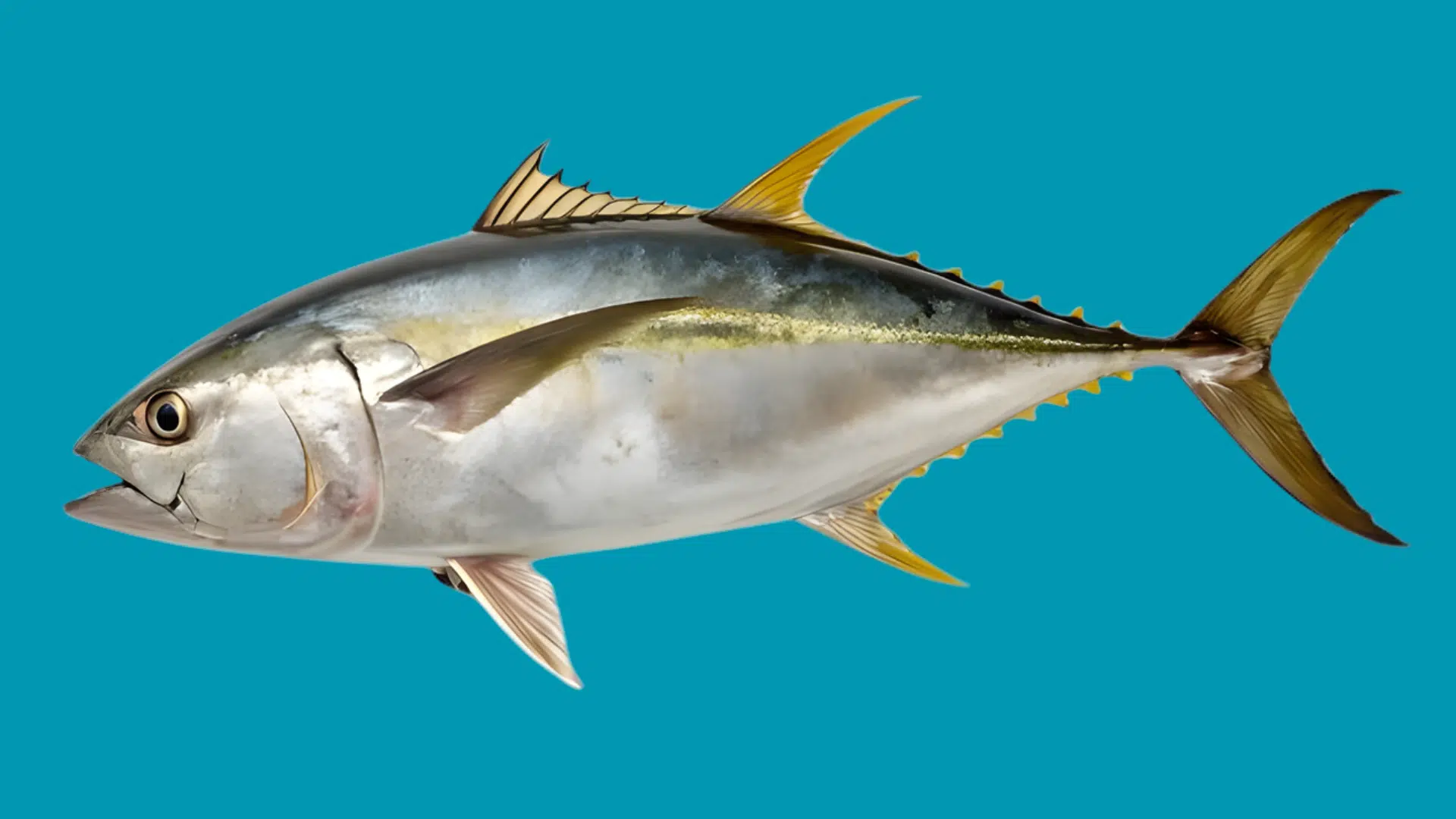
Ahi fish offers more than just great taste. It packs serious nutritional value that benefits the body in multiple ways.
1. High Protein Content
Ahi provides excellent protein for building muscle. A single serving delivers about 25 grams of complete protein.
This helps repair tissues and keeps you feeling full longer. The protein supports metabolism and aids weight management.
Athletes and fitness enthusiasts particularly benefit from this lean protein source.
2. Rich in Omega-3 Fatty Acids
The fish contains healthy omega-3 fats.
These fats support heart health and reduce inflammation throughout the body. Omega-3s also help brain function and may improve mood.
Regular consumption can lower cholesterol levels. These essential fats come naturally from the fish’s diet.
3. Low in Calories
Ahi offers nutrition without excess calories. A three-ounce serving contains roughly 100 to 120 calories.
This makes it perfect for anyone watching their weight. People get filling protein without heavy fats. It fits well into most diet plans and healthy eating strategies.
4. Packed with Vitamins
The fish provides important B vitamins like B12 and niacin. These vitamins boost energy and support nervous system health.
Ahi also contains vitamin D for strong bones. The vitamins help convert food into usable energy. They keep the body functioning at its best level consistently.
5. Contains Essential Minerals
Ahi delivers minerals like selenium, magnesium, and potassium.
Selenium acts as an antioxidant that protects cells. Magnesium supports muscle and nerve function properly.
Potassium helps regulate blood pressure naturally. These minerals work together to maintain overall health and body balance.
6. Supports Heart Health
Regular ahi consumption benefits cardiovascular health significantly. The omega-3 fats reduce the risk of heart disease.
It helps maintain healthy blood pressure levels. The fish also supports proper circulation throughout the body.
Doctors often recommend fatty fish for heart protection.
Also Read: Ahi Tuna Recipes to Try at Home
The Habitat of Ahi Fish
Ahi fish thrive in tropical and subtropical ocean waters. Both yellowfin and bigeye prefer warm temperatures and spend most of their time in the open seas.
These fish are highly migratory and travel vast distances.
Where Ahi Lives:
- Pacific Ocean (most common location)
- Atlantic Ocean
- Indian Ocean
- Waters between 60-80°F (15-27°C)
The fish typically swim in the upper layers of the ocean. They can go deeper when hunting for food.
Ahi often travel in schools with other tuna species. They prefer areas with plenty of smaller fish to eat.
Culinary Use of Ahi Fish
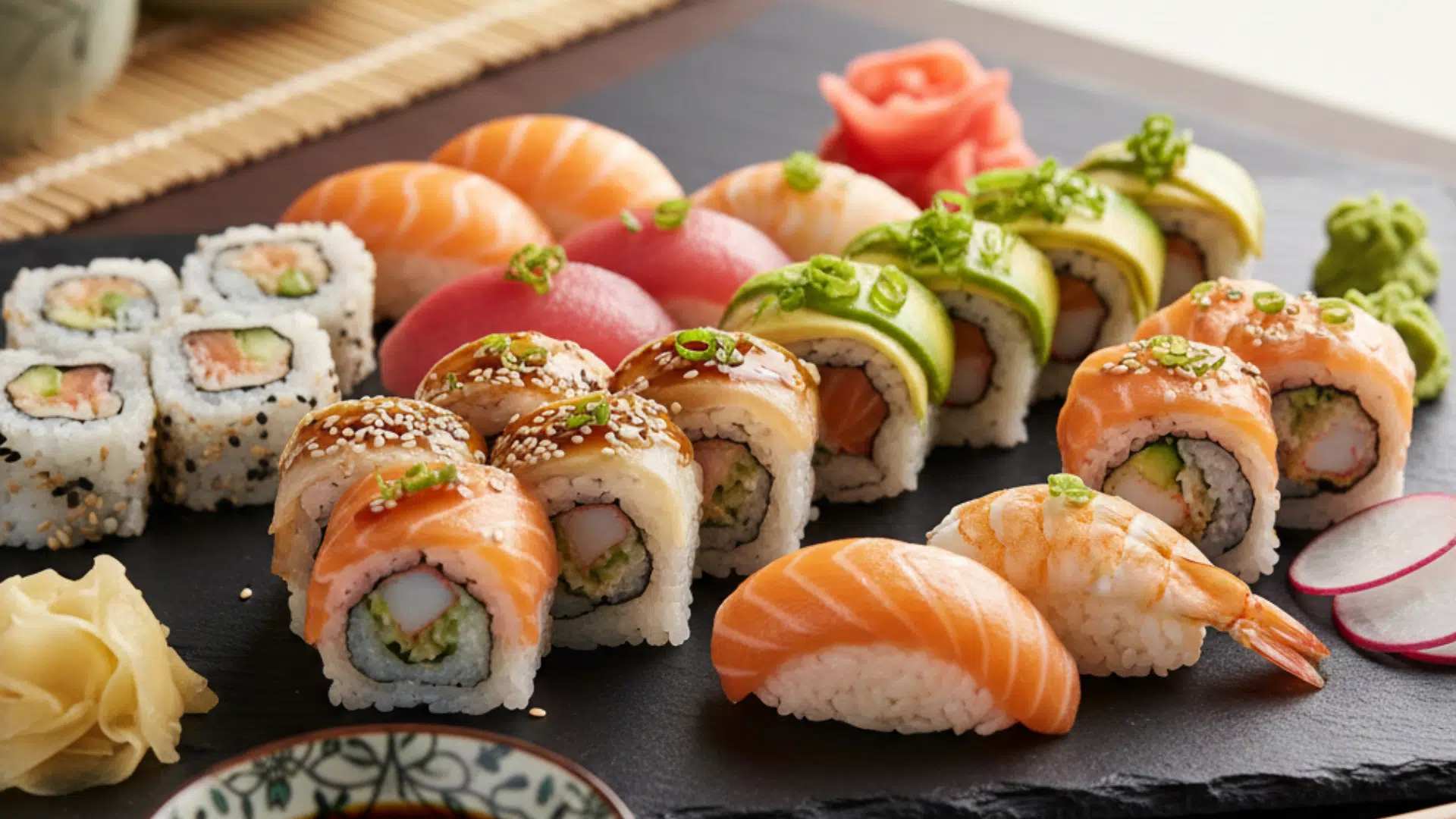
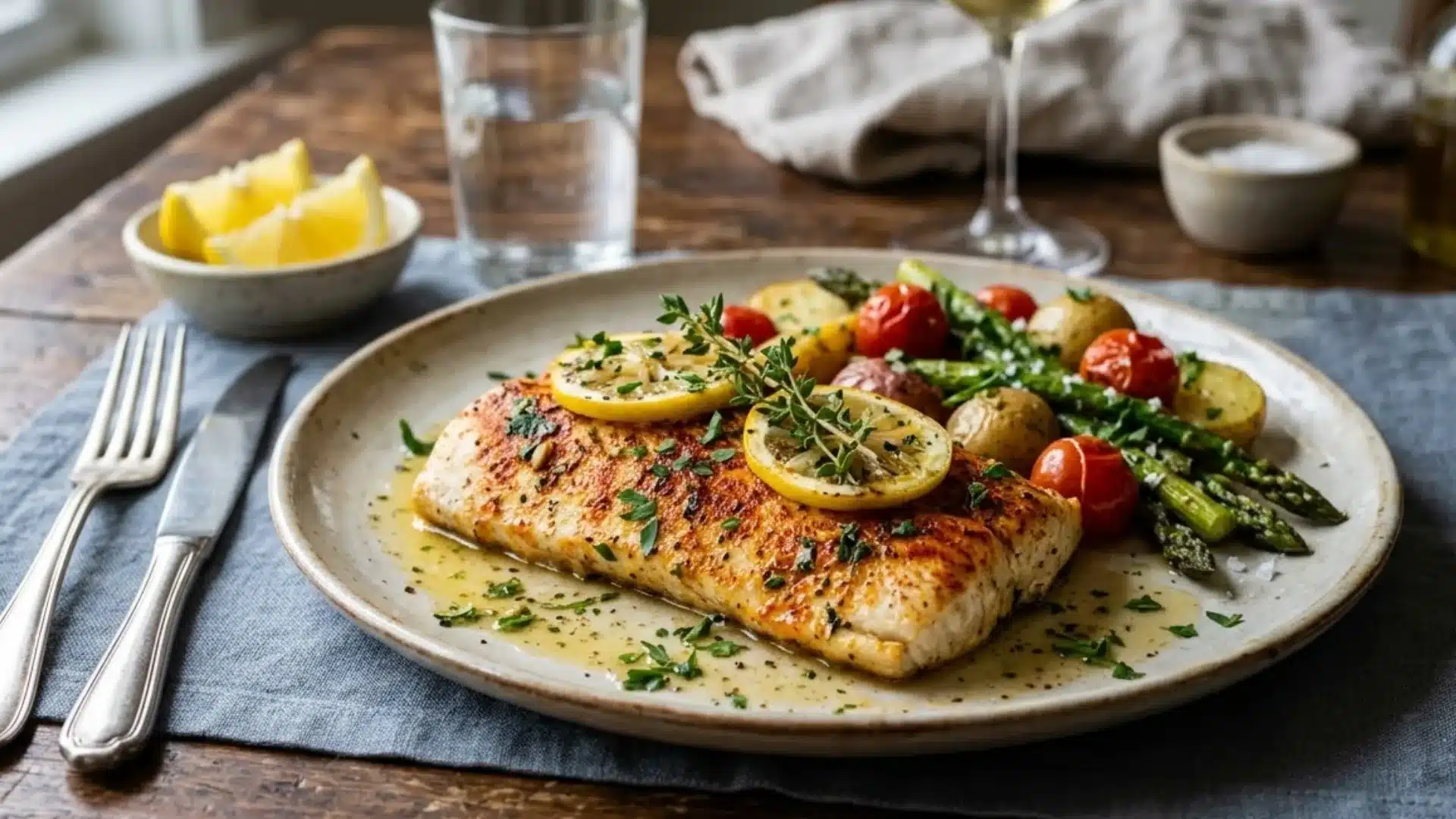
Ahi works well in many cooking styles. Chefs often sear it quickly on high heat. This keeps the inside rare and the outside crispy. The result is called ahi tuna steak.
Raw preparations are equally popular. Poke bowls feature cubed raw ahi with seasonings. Sushi and sashimi showcase the fish’s clean flavor.
Grilling ahi creates a smoky taste. Some cooks marinate it first for extra flavor. The fish also works in salads and sandwiches.
Ahi cooks fast, so you shouldn’t overdo it. Overcooked ahi becomes dry and tough.
The Mercury Levels in Ahi Fish
Ahi fish contains moderate to high mercury levels.
Larger, older tuna accumulate more mercury over time. This happens because they eat smaller fish throughout their lives.
Bigeye tuna typically has higher mercury than yellowfin. The difference comes from their size and diet. Both types contain more mercury than smaller fish like salmon or sardines.
Pregnant women and young children should limit ahi consumption. Health experts recommend eating it no more than once or twice a month.
Adults in good health can eat it more frequently.
Is Eating Ahi Fish Sustainable?
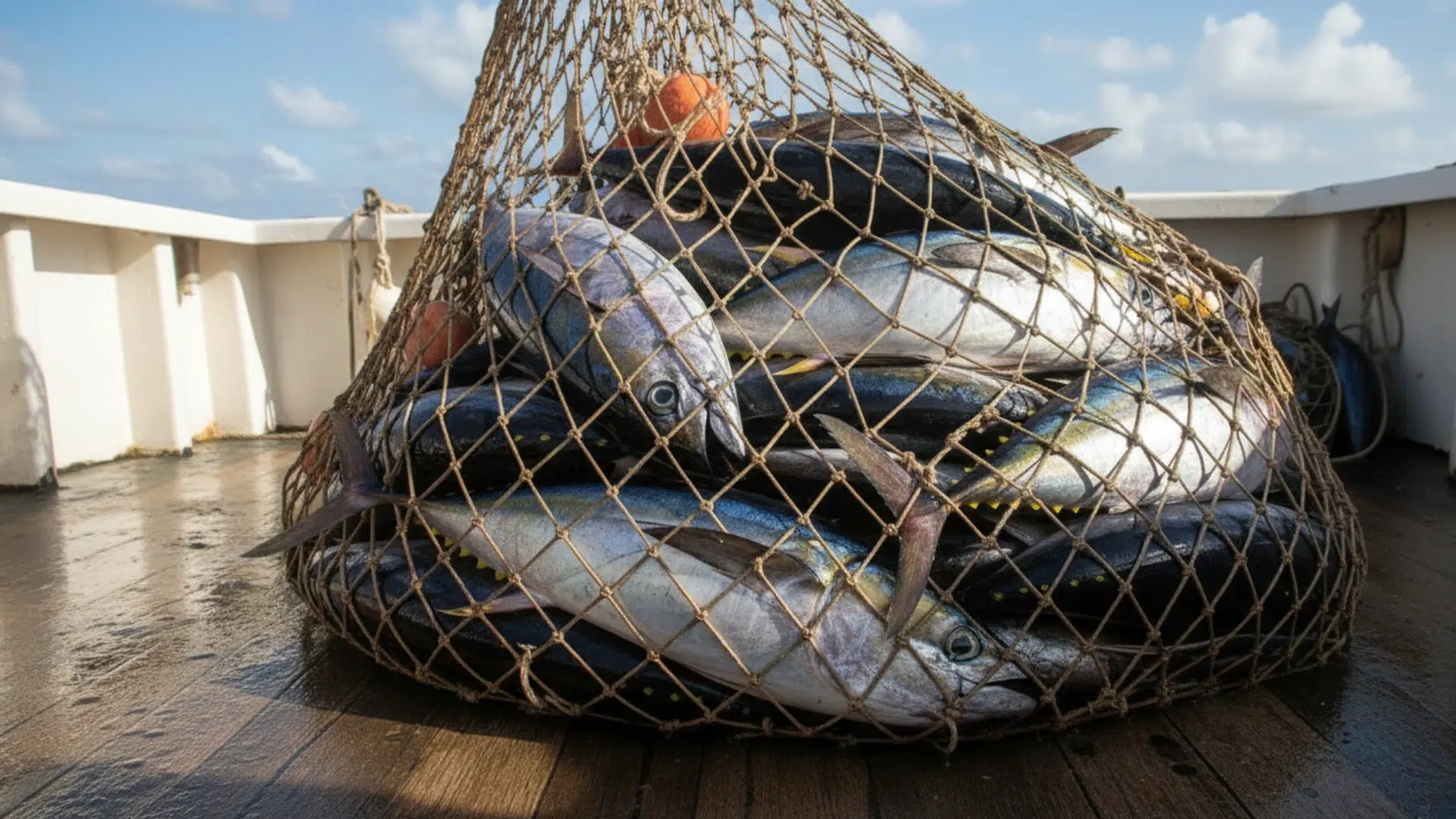
Ahi sustainability varies by fishing method and location. Some ahi populations face overfishing pressure.
Others are managed better and remain healthy.
Pole-and-line fishing is the most sustainable method. It catches one fish at a time with minimal bycatch. Troll-caught ahi also rates as a better choice.
Longline fishing raises more concerns. This method can harm other marine life accidentally. It also catches younger fish before they reproduce.
You should look for labels like MSC certified or pole-caught. These indicate better fishing practices.
Checking seafood guides helps make informed choices. Organizations like Seafood Watch provide current sustainability ratings for different ahi sources.
Let’s Clear up the Confusion Between Mahi Fish and Ahi Fish
People often confuse mahi and ahi because the names sound similar. But these are completely different fish.
| Feature | Ahi Fish | Mahi Fish |
|---|---|---|
| Scientific Name | Thunnus albacares (Yellowfin) or Thunnus obesus (Bigeye) | Coryphaena hippurus |
| Common Name | Yellowfin or Bigeye Tuna | Mahi-mahi or Dolphinfish |
| Family | Tuna family | Dolphinfish family |
| Appearance | Torpedo-shaped, metallic blue | Bright colors, blunt forehead |
| Size | Up to 400 pounds | Up to 40 pounds |
| Flavor | Mild to rich, meaty | Sweet and mild |
| Texture | Firm and dense | Flaky and moist |
| Color of Meat | Deep red | White to pink |
| Best Preparation | Raw, seared, grilled | Grilled, baked, pan-fried |
Some Cool Ahi Fish Facts
Ahi fish are more interesting than most people realize. These ocean dwellers have some surprising characteristics.
Ahi Never Stops Swimming
Ahi must keep moving to breathe properly. They push water through their gills while swimming. If they stop, they can’t get enough oxygen.
This constant motion continues even while they sleep. The fish essentially swim their entire lives without resting completely.
They’re Incredibly Fast
Ahi can swim up to 50 miles per hour. This speed helps them catch prey and escape predators. Their streamlined bodies cut through water efficiently.
The fish use their powerful tail fins for propulsion. Few ocean creatures can match their swimming velocity consistently.
Ahi Have Warm Blood
Unlike most fish, ahi are partially warm-blooded. They maintain body temperatures higher than the surrounding water.
This gives them extra energy and speed. The warm blood helps them hunt in deeper, colder waters. It’s a rare trait among fish species overall.
They Travel Massive Distances
Ahi migrate thousands of miles across oceans. Some fish travel from California to Japan annually. They follow food sources and breeding grounds.
Scientists track them using tags and satellite technology. These migrations are among the longest in the fish world.
Ahi Can Live Over 15 Years
Yellowfin ahi typically live seven to nine years. Bigeye ahi can reach 15 years or more. Their age shows in growth rings on otoliths.
Older fish grow larger and accumulate more mercury. Scientists study these rings to understand tuna populations better.
They Hunt in Schools
Ahi often swim in large groups called schools. These schools can contain thousands of individual fish.
Group hunting helps them catch more prey efficiently. The fish coordinate movements to confuse and trap smaller fish.
This behavior also protects them from larger predators.
Tips for Buying a Good Ahi
Buying quality ahi makes all the difference in taste and freshness. You should know what to look for at markets.
These tips help select the best ahi available.
- Check the Color: Fresh ahi should have a deep red color. Avoid fish that looks brown or have a rainbow sheen on the surface.
- Smell the Fish: Good ahi smells like clean ocean water. It shouldn’t have a strong or fishy odor. If the smell seems off or unpleasant, the fish isn’t fresh enough to buy.
- Check for Ice or Refrigeration: The fish should be stored on ice or in cold cases. Proper temperature control prevents bacterial growth. Avoid ahi sitting at room temperature for any length of time.
- Ask About the Source: Find out where and when the fish was caught. Locally caught ahi is often fresher than imported options.
- Feel the Texture: The flesh should feel firm to the touch. Press it gently and it should spring back quickly. A mushy or soft texture means the fish has started breaking down already.
- Look for Sushi-Grade Labels: If eating raw, buy sushi-grade or sashimi-grade ahi. These labels mean the fish was frozen properly to kill parasites. Not all ahi meet these safety standards for raw consumption.
Wrapping It Up
Ahi fish brings both flavor and nutrition to the table. Each type offers unique taste profiles and cooking possibilities.
Remember to check for freshness when buying ahi. Look at color, smell, and texture before purchasing. Sustainability matters too, so choose pole-caught or certified options when possible.
Try searing it at home or ordering it raw at restaurants. You have the knowledge to make informed choices now, as you know what is ahi tuna, and its types.
Start simple with a quick sear or poke bowl. Ahi might just become a new favorite protein option.