

European sea bass is one of the most exciting and rewarding fish to catch, offering both a thrilling sporting challenge and exceptional eating quality. Found around coastal waters, estuaries, and rocky shorelines, sea bass are prized by anglers for their aggressive strikes and by cooks for their delicate, flavorful white flesh.
How To Catch Sea Bass
Catching European sea bass is relatively straightforward with the right approach. Rod and line fishing is one of the most popular methods, whether from shore, boat, or pier. Bass are opportunistic predators, so they readily take both artificial lures and natural bait. Lures such as soft plastics, surface plugs, and metal spinners can be highly effective, particularly when fish are actively hunting baitfish.
Then again, if actual fishing isn’t really your thing, you can always buy sea bass fillets from a quality fishmonger and spend your spare time playing Big Bass Bonanza instead.
Early morning or evening sessions often produce the best results. If you prefer bait fishing, fresh prawns and squid are excellent choices. These natural baits can be fished on simple ledger rigs or float setups, especially in tidal areas where bass patrol for food. Patience, good water movement, and targeting likely feeding grounds such as rocky outcrops, sandbanks, or estuary mouths can significantly improve your success.
How To Prepare Sea Bass
Once you’ve landed your sea bass, proper preparation is essential to make the most of your catch. Start by rinsing the fish thoroughly in cold water. Use a fish scaler or the back of a knife to remove the scales, working from tail to head.
After scaling, gut the fish if it hasn’t already been cleaned. To fillet, make a sharp incision behind the gills and carefully run your knife along the backbone, separating the flesh from the bones. Repeat on the other side, removing any remaining pin bones with tweezers. Fresh sea bass fillets are versatile and cook beautifully with minimal seasoning.
How To Cook Sea Bass
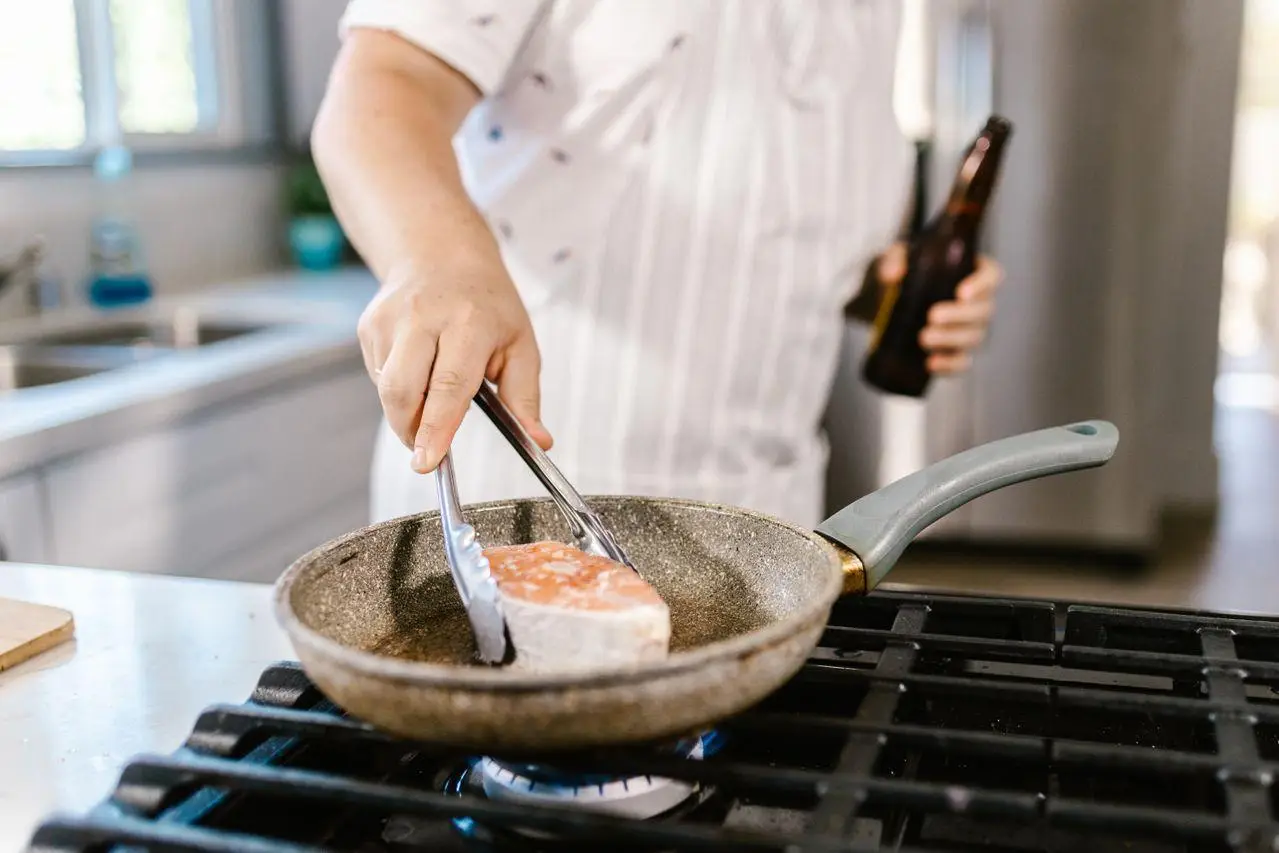
Cooking European sea bass is best kept simple to highlight its natural flavour. Pan frying is one of the easiest and most delicious methods. Heat olive oil and a knob of butter in a frying pan over medium heat. Season the fillets with salt and pepper, then place them skin side down first. Cooking the skin side down allows it to crisp up beautifully while protecting the delicate flesh. Fry for a few minutes until the skin is golden and crispy, then flip briefly to finish.
Alternatively, oven baking is another excellent option. Place the fillets or whole fish in a baking dish with slices of fresh lemon and ripe tomatoes. Drizzle generously with olive oil, season well, and bake until the fish is tender and flakes easily with a fork.
Final Thoughts
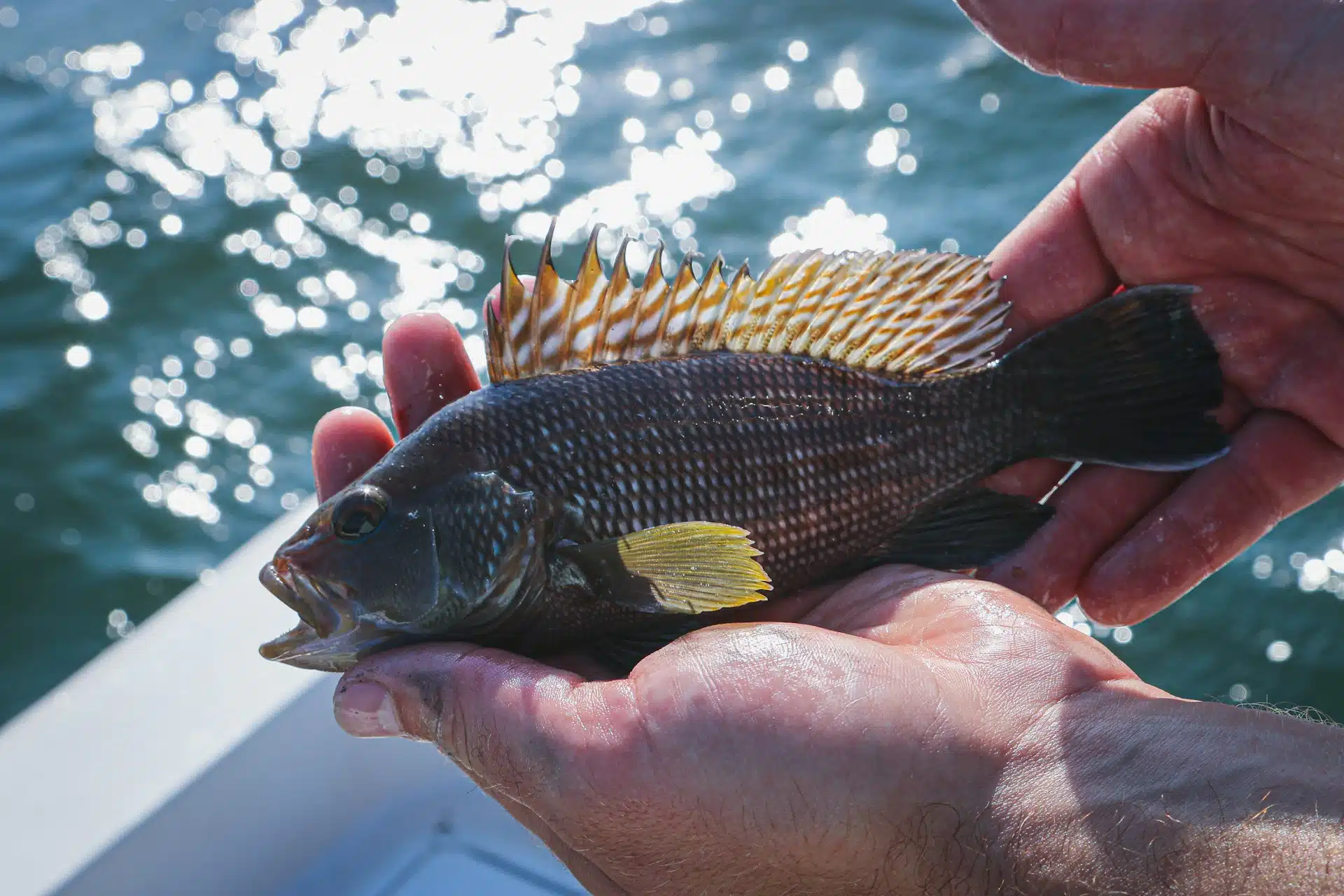
The fighting qualities of sea bass make it a much sought-after fish among anglers. It is a true predator with its spiky dorsal fin and armoured gill covers. This appearance has also resulted in it being given the title of the ‘perch of the sea’ among many fishing enthusiasts.
When it comes to eating this fish, there are few that match its delicious natural flavour. Whether pan-fried or oven-baked, European sea bass delivers a fresh, light meal that perfectly rewards the effort of catching it yourself.