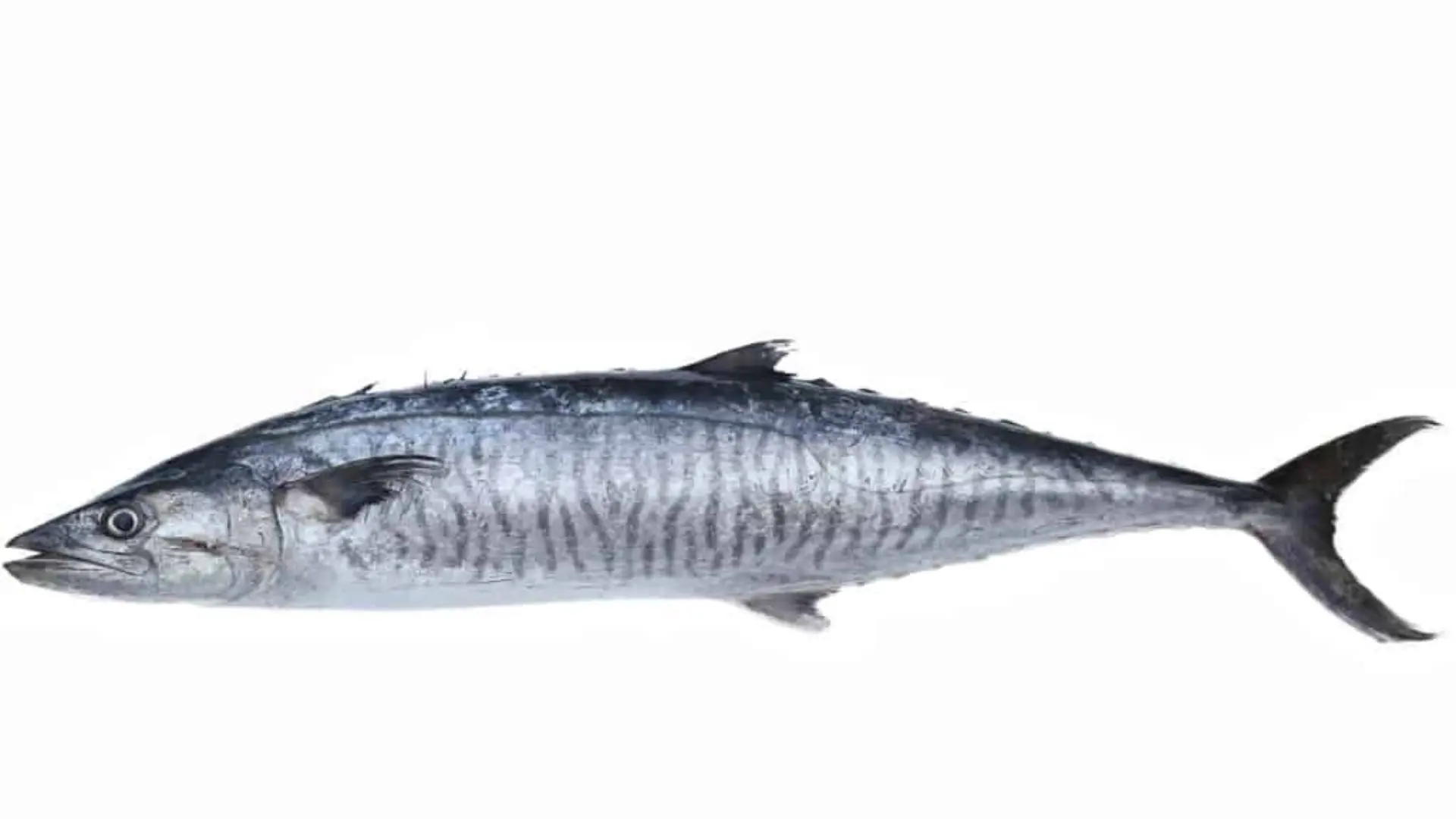



Halibut is a versatile and nutrient-rich fish that has become a favorite in kitchens worldwide.
It is known for its mild, sweet flavor and firm texture and is a popular choice in a variety of cuisines, from American to Mediterranean dishes.
Not only is halibut delicious, but it also offers a wide range of health benefits.
Packed with high-quality protein, essential vitamins, and omega-3 fatty acids, this fish is a great addition to any healthy diet.
In this blog, you will explore the nutritional benefits of halibut, its key health advantages, and some important considerations to keep in mind when including it in your diet.
Nutritional Value of Halibut
| NUTRIENT | AMOUNT PER 3 OZ (85G) SERVING |
|---|---|
| Protein | 22g |
| Calories | 94 |
| Omega-3 Fatty Acids | 0.4g |
| Vitamin D | 570 IU |
| Potassium | 480 mg |
| Magnesium | 30 mg |
| Selenium | 30 mcg |
| Vitamin A | 80 IU |
Various Key Benefits of Consuming Halibut

This delicious fish is not only tasty but also packed with essential vitamins, minerals, and healthy fats. Let’s plunge into the detailed benefits of consuming halibut regularly:
1. Rich in Protein
Protein is one of the most important nutrients for maintaining and building muscle mass, repairing tissues, and supporting a healthy immune system.
Halibut provides a high-quality, lean source of protein that is easily absorbed by the body.
However, a serving of halibut helps support muscle growth and recovery, making it an excellent choice for anyone who is physically active or looking to maintain a healthy body composition.
2. Low in Calories
Halibut is relatively low in calories, especially compared to other animal protein sources.
This makes it a great choice for those looking to manage their weight while still getting the nutrients they need.
With its low calorie count and rich protein content, halibut can help you feel fuller for longer without the added calories, aiding in portion control and supporting weight management goals.
3. High in Omega-3 Fatty Acids
Omega-3 fatty acids are essential fats that play a vital role in heart health by reducing inflammation and lowering the risk of cardiovascular disease.
These healthy fats also promote brain function, support mental clarity, and help maintain healthy skin.
Halibut provides a good amount of omega-3 fatty acids, making it a heart-healthy option that can boost your overall well-being.
4. Good Source of Vitamin D
Vitamin D is crucial for strong bones and a healthy immune system. It helps the body absorb calcium and plays an essential role in maintaining bone density.
Halibut is a natural source of vitamin D, which can be especially beneficial for individuals living in areas with limited sunlight or those who have difficulty obtaining sufficient vitamin D through other food sources.
Including halibut in your diet helps maintain optimal levels of this essential vitamin.
5. Packed with Essential Minerals
Halibut is rich in essential minerals such as potassium, magnesium, and selenium.
Potassium is necessary for regulating fluid balance and blood pressure, while magnesium helps maintain healthy muscles and nerves.
Selenium acts as an antioxidant, protecting the body from oxidative stress and supporting immune function.
6. Supports Healthy Skin
The combination of various other nutrients in halibut makes it beneficial for maintaining healthy, glowing skin.
Omega-3s help reduce inflammation, which can improve skin hydration and reduce the risk of conditions like acne or eczema.
Vitamin A also plays a role in skin repair and regeneration, contributing to a youthful, radiant appearance.
7. Boosts the Immune System
Halibut is loaded with nutrients like vitamin D and selenium, both of which play crucial roles in boosting the immune system.
Vitamin D helps regulate immune responses, while selenium has antioxidant properties that protect the body from harmful free radicals.
Moreover, regular consumption of halibut can help strengthen the body’s natural defenses, reducing the likelihood of infections and supporting overall immune health.
8. Improves Eye Health
Halibut contains a good amount of vitamin A, which is essential for maintaining healthy vision.
Vitamin A supports the function of the retina and helps protect the eyes from age-related issues like macular degeneration.
Including halibut in your diet can promote better eyesight and help reduce the risk of eye conditions as you age.
Specific Potential Concerns and Considerations
While halibut is a nutritious and versatile fish, there are some important factors to consider when including it in your diet.
Here are the key concerns to keep in mind:
Mercury Content
Halibut, like many other large fish, can accumulate mercury in its tissues, especially as it ages.
Mercury is a toxic element that can have harmful effects on the nervous system, particularly in young children and pregnant women.
Halibut contains moderate levels of mercury, so it is recommended that individuals, particularly those in vulnerable groups (like pregnant women, young children, and nursing mothers), limit consumption to no more than once a week.
Sustainability
Overfishing has been a significant concern for halibut populations, particularly in the Atlantic Ocean.
The Atlantic halibut is classified as a species at risk, with stocks being overfished for many years. This has led to the depletion of populations, causing ecological imbalance and diminishing the fishery’s future sustainability.
When purchasing halibut, it is important to opt for Pacific halibut or look for certified sustainable sources. Organizations like the Marine Stewardship Council (MSC) offer certifications that indicate sustainably sourced seafood.
Allergies
Seafood allergies are common, and halibut is no exception. People who are allergic to other types of fish or shellfish may also be sensitive to halibut.
Symptoms of a seafood allergy can range from mild reactions, such as hives or itching, to more severe responses like difficulty breathing or anaphylaxis.
If you are new to consuming halibut or have a history of fish allergies, it is crucial to consult with a healthcare professional before adding it to your diet.
Conclusion
Last but not least, halibut is a nutrient-dense fish that stands out for its versatility and health benefits.
Whether you are looking to boost your protein intake, support your heart health, or enjoy a flavorful meal, halibut fits seamlessly into a variety of diets.
While it offers numerous advantages, it’s important to stay mindful of sustainability and mercury levels.
By making informed choices, you can enjoy halibut as part of a balanced, delicious, and health-conscious eating plan.