

Crab meat is a delicious and popular seafood. Isn’t it?
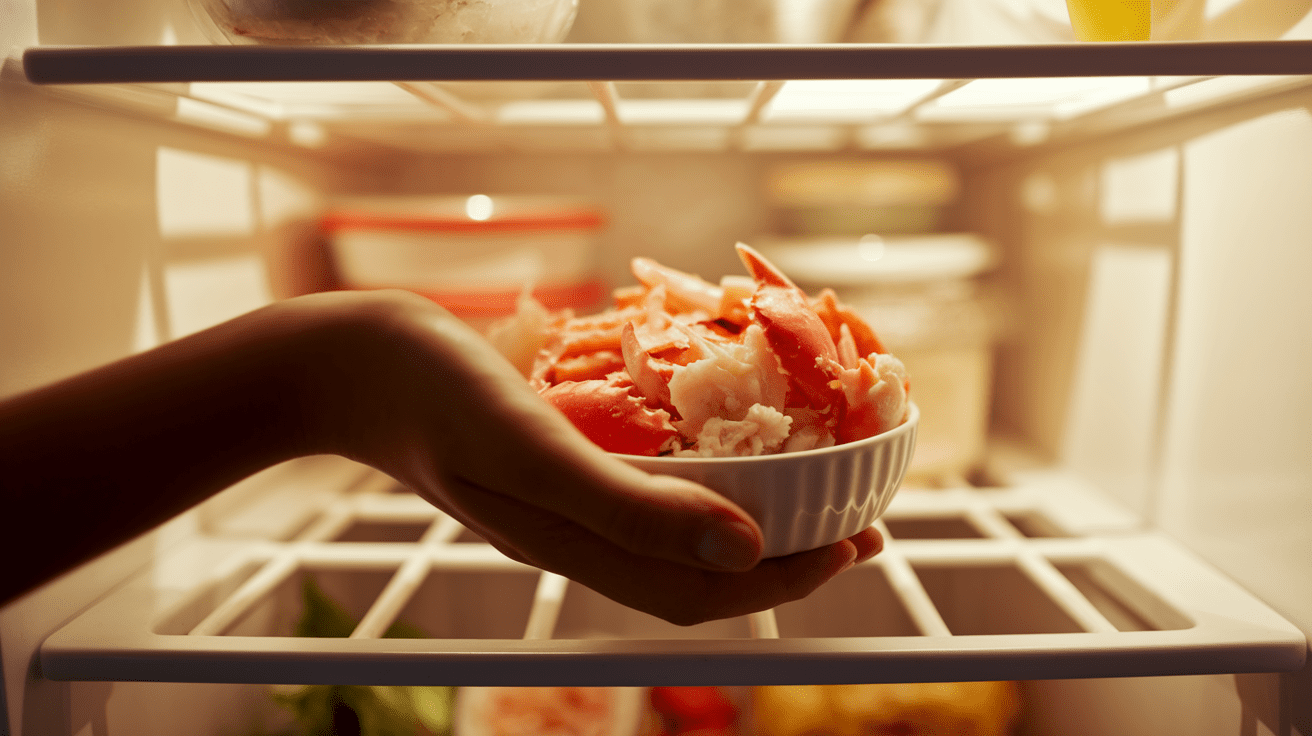
But have you ever opened the fridge and asked, “How long can this crab meat stay safe to eat?”
Well, the answer is shorter than most people think: only a few days unless it’s stored just right.
The meat is soft, sweet, and fragile, so bacteria love it as much as people do. Warm air, extra moisture, or a loose lid can quickly turn a tasty treat into a health risk.
This guide explains how each storage choice, fresh, cooked, pasteurized, or frozen, sets the countdown from sea to plate.
Types of Crab Meat and How Long They Last
When someone wonders how long seafood is good for in the fridge, the answer varies by type.
Real crab meat behaves differently from its alternatives, and understanding these differences helps keep meals safe.
| Type of Crab Meat | Fridge Shelf Life | Reason |
|---|---|---|
| Fresh Whole Crab | 1–2 days | Very perishable due to moisture and shell bacteria |
| Raw Crab Meat (cooked) | 3–4 days | Cooked meat has fewer bacteria and lasts longer |
| Imitation Crab (unopened) | 2 months | Processed and preserved, but check the date |
| Imitation Crab (opened) | 3–5 days | Once exposed to air, it spoils like fresh seafood |
| Cooked Crab Meat (store-bought) | 3–5 days | Properly sealed and handled |
Specific Factors that Affect Crab Meat’s Shelf Life
Several elements can shorten the shelf life of crab meat, such as:
- Fridge temperatures rising above 40°F (4°C) can cause spoilage within hours.
- Exposure to air quickly dries out crab meat, making it prone to contamination.
- Excess moisture can make the meat mushy and spoil faster.
- Improper handling and cross-contamination with dirty hands or utensils can introduce harmful bacteria.
Allergy Considerations
I advise you to take crab allergies seriously, as shellfish reactions can be severe and life-threatening.
If someone is allergic to crab, they should avoid all types: fresh whole crab, raw or cooked crab meat, imitation crab,and store-bought varieties.
Read labels carefully, ask about ingredients when dining out, and carry an epinephrine auto-injector if my doctor has prescribed one.
Expert Advice for Storing Crab and Other Seafood
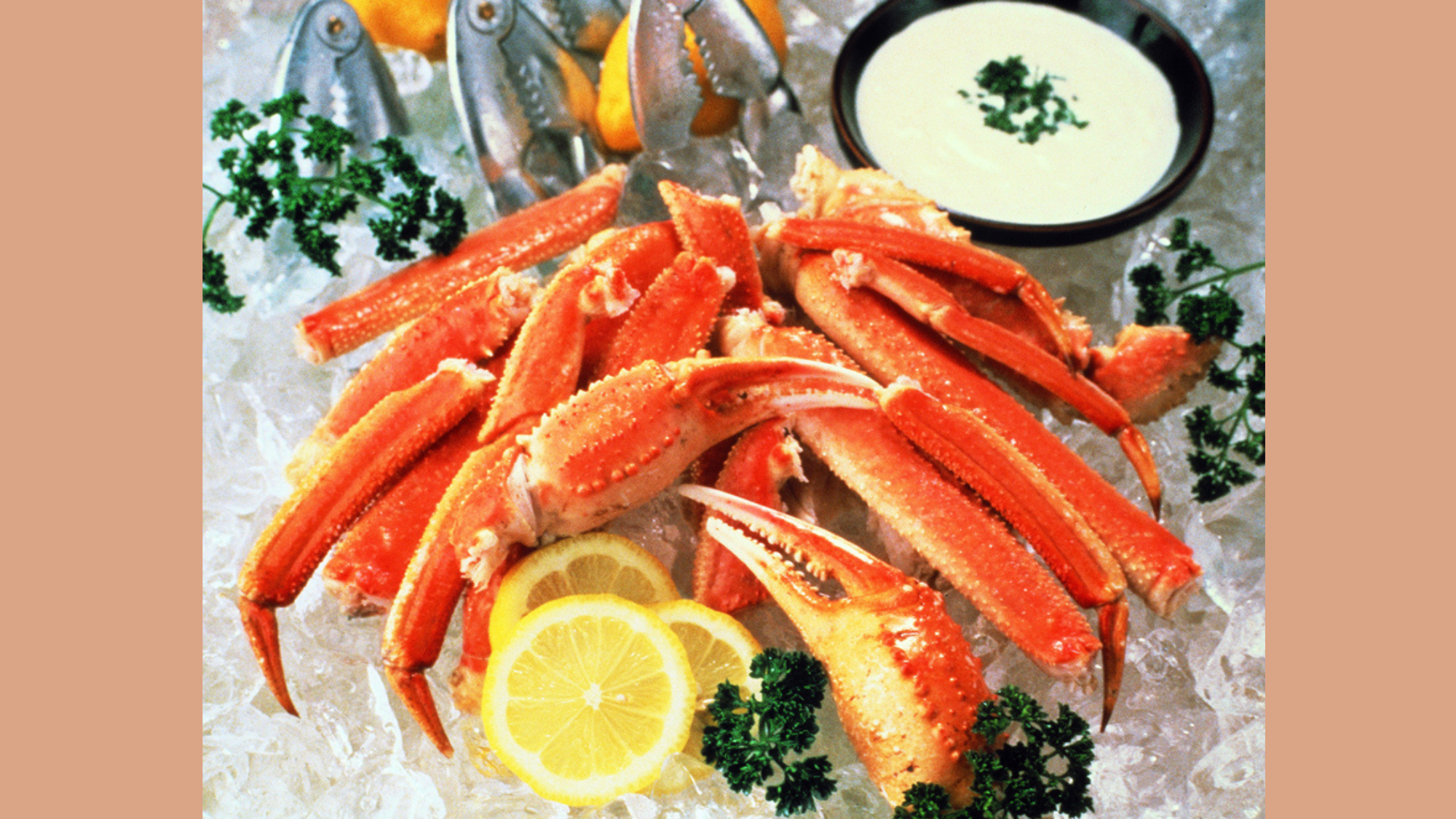
Storing seafood properly ensures its freshness and safety. Here’s expert guidance for different types:
- Crab Meat: Always keep crab meat sealed in an airtight container, stored in the coldest part of the refrigerator, and use within 3–5 days.
- Shrimp: Store in a sealed container and consume within 1–2 days if fresh, or within 3–4 days if cooked.
- Fish Fillets: Must be kept cold and used within 1–2 days. Store in an airtight container on a bed of ice.
- Oysters and Mussels: Keep in mesh bags and consume within 2–3 days. Never seal them in airtight containers.
- Lobster: Cooked lobster lasts 2–3 days in the fridge. Never refreeze after thawing, as this can negatively affect its flavor and safety.
Why Proper Storage of Seafood Matters?
Seafood, especially crab meat, is highly perishable due to its tender proteins and high moisture content. If not kept cold, it quickly becomes a breeding ground for harmful bacteria like Salmonella and Listeria.
However, improper storage can ruin its flavor, texture, and quality, leading to sour odors, sliminess, and discoloration.
Storing crab properly is important not just for safety, but also for preserving its sweet, tender taste.
By keeping it at the right temperature and in an airtight container, you can enjoy crab meat at its best — fresh, delicious, and safe for every bite.
Final Thoughts
Crab meat tastes best when it’s fresh, sweet, and safe to eat. That’s why how you store it really matters.
But, always check how it looks and smells before eating, and don’t take chances if something seems off. It’s better to throw out old crab meat than to risk getting sick.
Moreover, by following a few simple tips, you can keep both the flavor and your health safe.
So next time you bring home crab, give it the storage it deserves to have the best crab meat ever!
Frequently Asked Questions
Can I Refreeze Crab Meat After Thawing?
It’s not recommended to refreeze crab meat once it has been thawed. Refreezing can negatively impact the texture and flavor, and may increase the risk of bacterial growth.
How Do I Prevent Crab Meat from Absorbing Odors in The Fridge?
Use airtight containers, preferably glass, as they do not absorb odors. Keep crab meat away from strong-smelling foods and always seal the container tightly.
What Should I Do if Crab Meat Gets Exposed to Temperatures Above 40°f (4°c)?
If crab meat has been left at temperatures above 40°F (4°C) for more than two hours, it should be discarded to avoid the risk of foodborne illness.
Can I Eat Crab Meat Raw?
It’s not recommended to eat raw crab meat, as it may contain harmful bacteria or parasites. Always cook crab meat thoroughly to ensure safety.