

Skip to content
Know Sea Food Logo
  • Cooking techniques
  • Kitchen & Home Essentials
  • Seafood Recipes
    • Healthy Seafood
    • Seafood Varieties
  • more
    • Seafood Storage
    • Garden to Table
    • Nutrition & Wellness
  • Cooking techniques
  • Kitchen & Home Essentials
  • Seafood Recipes
    • Healthy Seafood
    • Seafood Varieties
  • more
    • Seafood Storage
    • Garden to Table
    • Nutrition & Wellness
Search
Know Sea Food Logo
  • Cooking Techniques
  • Healthy Seafood Options
  • Seafood Recipe Ideas
  • Seafood Shelf Life & Storage
  • Seafood Types
  • Nutrition & Wellness
  • Kitchen & Home Essentials
  • Garden to Table
  • Cooking Techniques
  • Healthy Seafood Options
  • Seafood Recipe Ideas
  • Seafood Shelf Life & Storage
  • Seafood Types
  • Nutrition & Wellness
  • Kitchen & Home Essentials
  • Garden to Table
Explore All

How Long Can Salmon Stay in The Freezer?

Line 12
  • Martha Johnson
  • Seafood Shelf Life & Storage

Published On: July 11, 2025 Last Updated: February 20, 2026

salmon

Table of Contents

Salmon is a favorite among seafood lovers for a reason. It’s not just delicious, but also packed with nutrients like Omega-3 fatty acids, high-quality protein, and essential vitamins.

These health benefits make it a great choice for anyone looking to eat a balanced, healthy diet.

However, to truly enjoy salmon’s full flavor and nutritional value, it’s essential to store it properly. Knowing how long salmon can stay in the freezer will help ensure it stays fresh, tasty, and safe to eat.

Let’s go through the blog to know how long salmon stays in the freezer.

Why Salmon is a Favorite Among Seafood Lovers?

Several reasons explain salmon’s popularity beyond its nutritional value.

  • First, salmon’s versatility is incredible, like Christian Bale, it fits every style. You can grill it for smoky flavor, bake it for simplicity, smoke it for richness, or poach it for tenderness. Each method brings out different characteristics, making it perfect for any occasion or craving.
  • Salmon is also a global superstar, appearing in cuisines worldwide. From Japanese sushi to Scandinavian gravlax, it adapts beautifully to different flavor profiles and cooking traditions.
  • What really sets salmon apart is its delicate yet rich flavor paired with that signature buttery texture that works with any seasoning or cooking method.

How Long Can Salmon Stay in The Freezer?
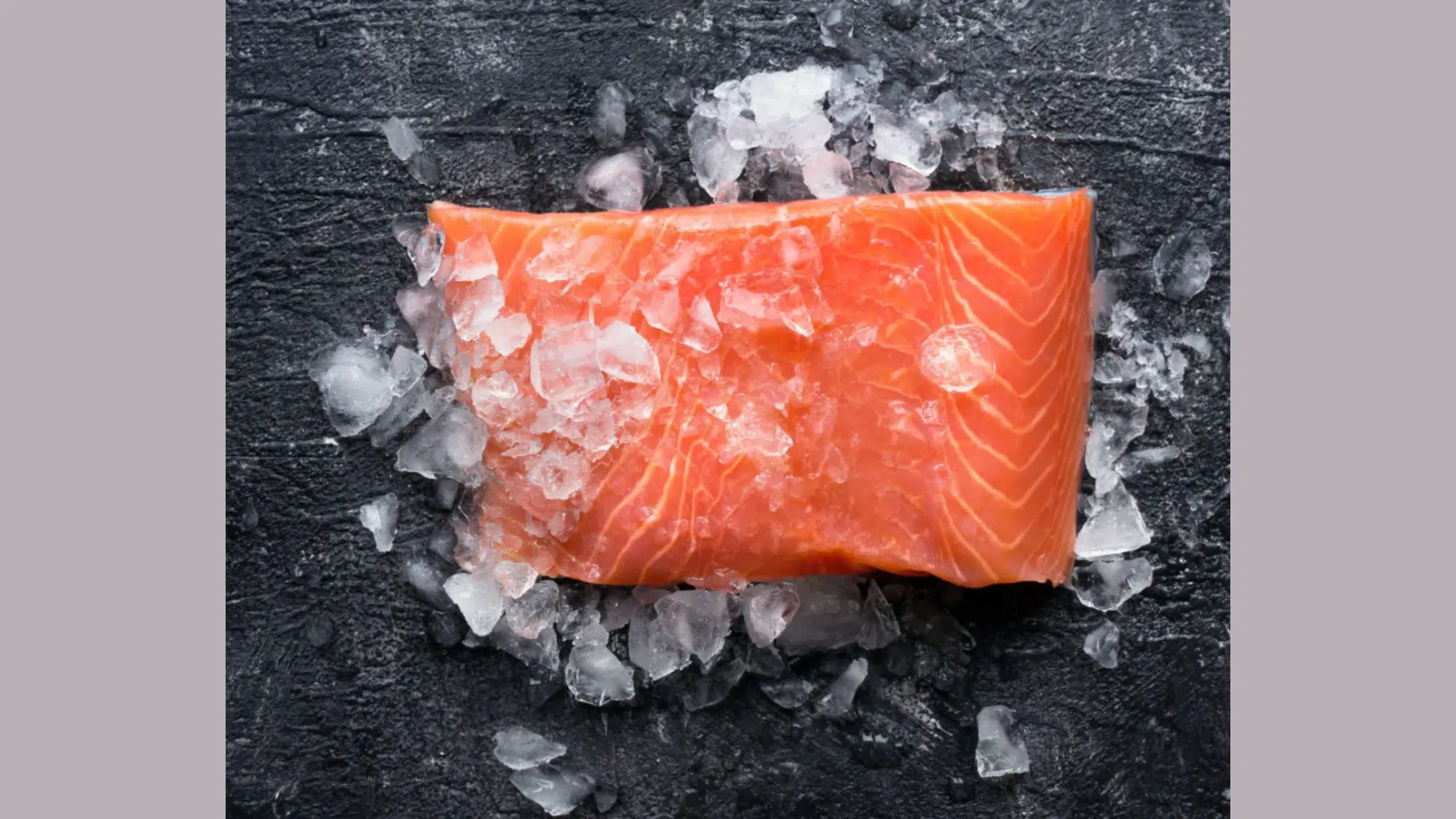
How Long Can Salmon Stay in The Freezer?

Now, coming to the main question, how long can Salmon stay in the freezer before it loses quality?

For optimal quality, salmon can be stored in the freezer for up to 6 months. However, the duration also depends on the type of Salmon you are dealing with. For instance,

  • Raw Salmon: Best quality for 2-3 months, acceptable up to 4-6 months, but quality drops after month three.
  • Smoked Salmon: Retains flavor and texture for 2-3 months; consume sooner for the best smoky taste.
  • Cooked Salmon: Safe for 2-3 months, though freezing may affect texture.
  • Canned Salmon: Long shelf life of 1-2 years when stored in a cool, dry place. Check for spoilage signs before use.

For the best results, salmon should be vacuum-sealed or tightly wrapped in plastic and foil. How the salmon is stored will significantly impact its longevity and taste.

How to Refrigerate Fresh vs. Cooked Salmon?

Fresh, uncooked salmon should be stored in the fridge and consumed within 1-2 days. It’s best to wrap it in plastic and keep it on the bottom shelf of the refrigerator to maintain freshness.

Cooked salmon can last in the fridge for 3-4 days. Make sure it’s stored in an airtight container to prevent contamination and drying out.

Always keep salmon away from strong-smelling foods to prevent odor transfer, and ensure your refrigerator is set below 40°F (4°C) for safe storage.

Check if Your Salmon is Spoiled
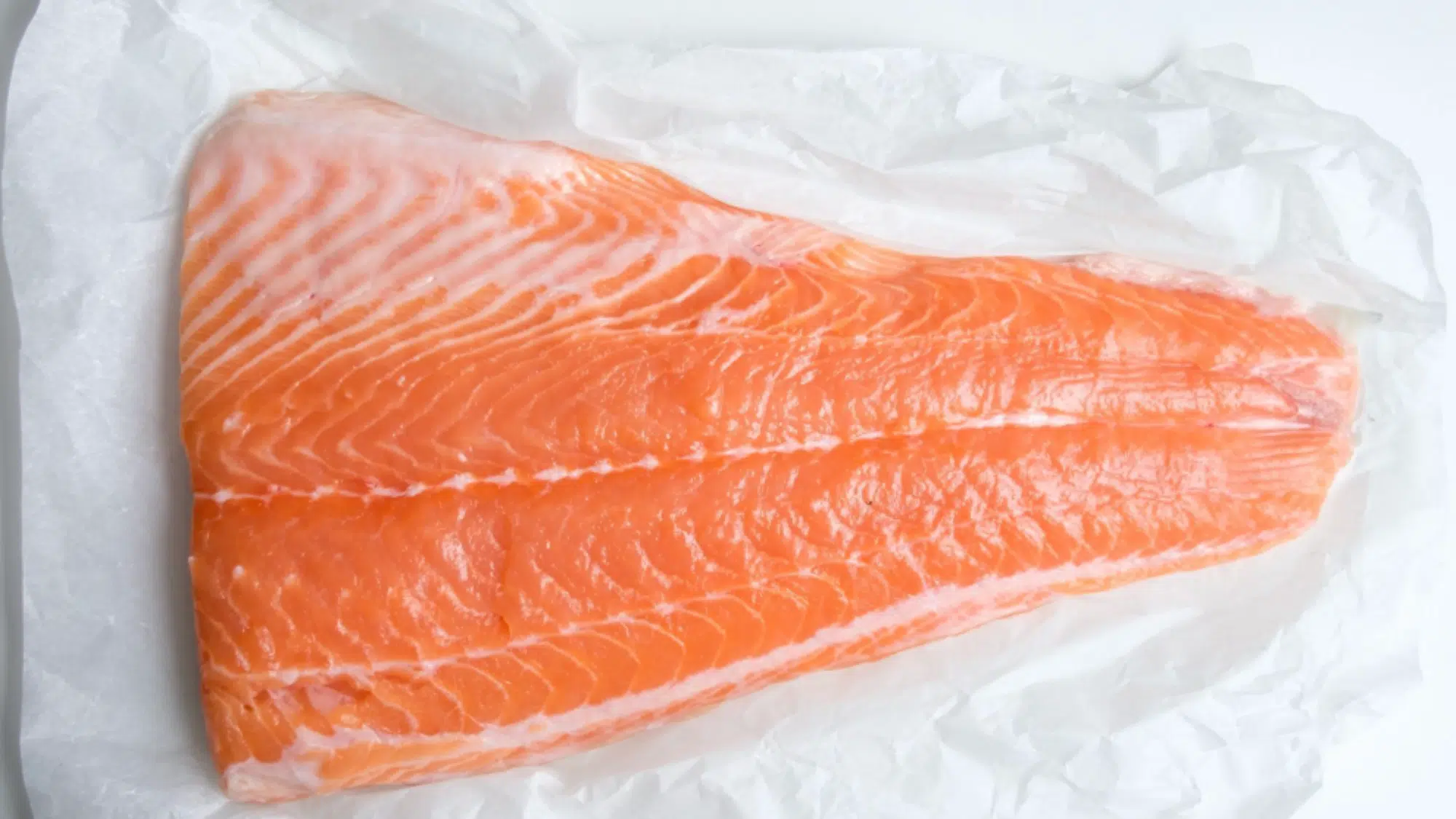
Check if Your Salmon is Spoiled

Sometimes salmon spoils and isn’t fit for consumption anymore. You need to know how to check if your salmon is safe, because nobody wants food poisoning from bad fish.

Watch for these red flags:

  • Strong, Sour Odor or Slimy Texture – Clear signs the salmon has gone bad
  • Grayish, Brown, or Dull Coloring – Fresh salmon should be vibrant
  • Slimy or Tacky Feel – Indicates bacterial growth
  • Dry, Overly Firm, or Mushy Texture – Should be moist and tender
  • Any Mold Growth – Definitely not safe to eat

Trust your senses; when in doubt, discard them. Better safe than sorry with seafood.

Tips and Best Practices to Maintain the Freshness of Your Catch

Here are some of the tips you should know to keep that salmon of yours as fresh as possible for a longer duration

  • Use airtight packaging or vacuum sealing to prevent freezer burn and maintain flavor.
  • Keep your freezer at 0°F (-18°C) or lower to ensure the salmon stays safe and fresh.
  • Label your salmon packages with dates to easily track when it was frozen.
  • Avoid refreezing thawed salmon to preserve texture and flavor.

These simple steps might seem basic, but they’re game-changers for salmon quality. A little extra effort up front saves you from the disappointment of freezer-burned fish later.

To Conclude It

You can’t stress enough how proper salmon storage makes all the difference between amazing fish and disappointing mush.

Follow the tips we have shared, and your frozen salmon will taste nearly as good as the day you bought it.

The secret? It’s all in the details, like proper wrapping, consistent temperatures, and smart timing.

Trust us, you will never regret it in the end!
Picture of Martha Johnson

Martha Johnson

Martha Johnson, a nutritionist and wellness advocate, has been writing for our Healthy Seafood Options section since 2021. With her background in dietetics, Martha provides insightful advice on incorporating healthy seafood into daily meals. She focuses on the benefits of omega-3-rich fish and sustainable seafood choices. When she's not writing, Martha enjoys creating healthy recipes and promoting sustainable eating habits. She believes in the importance of choosing nutritious options that benefit both personal health and the planet.
Read More About Me
Picture of Martha Johnson

Martha Johnson

Martha Johnson, a nutritionist and wellness advocate, has been writing for our Healthy Seafood Options section since 2021. With her background in dietetics, Martha provides insightful advice on incorporating healthy seafood into daily meals. She focuses on the benefits of omega-3-rich fish and sustainable seafood choices. When she's not writing, Martha enjoys creating healthy recipes and promoting sustainable eating habits. She believes in the importance of choosing nutritious options that benefit both personal health and the planet.
Read More About Me

We’ll not show your email address publicly.

Join the discussion Cancel reply

Your email address will not be published. Required fields are marked *

Picture of Martha Johnson

Martha Johnson

Martha Johnson, a nutritionist and wellness advocate, has been writing for our Healthy Seafood Options section since 2021. With her background in dietetics, Martha provides insightful advice on incorporating healthy seafood into daily meals. She focuses on the benefits of omega-3-rich fish and sustainable seafood choices. When she's not writing, Martha enjoys creating healthy recipes and promoting sustainable eating habits. She believes in the importance of choosing nutritious options that benefit both personal health and the planet.
Read more about me

Table of Contents

Related Posts

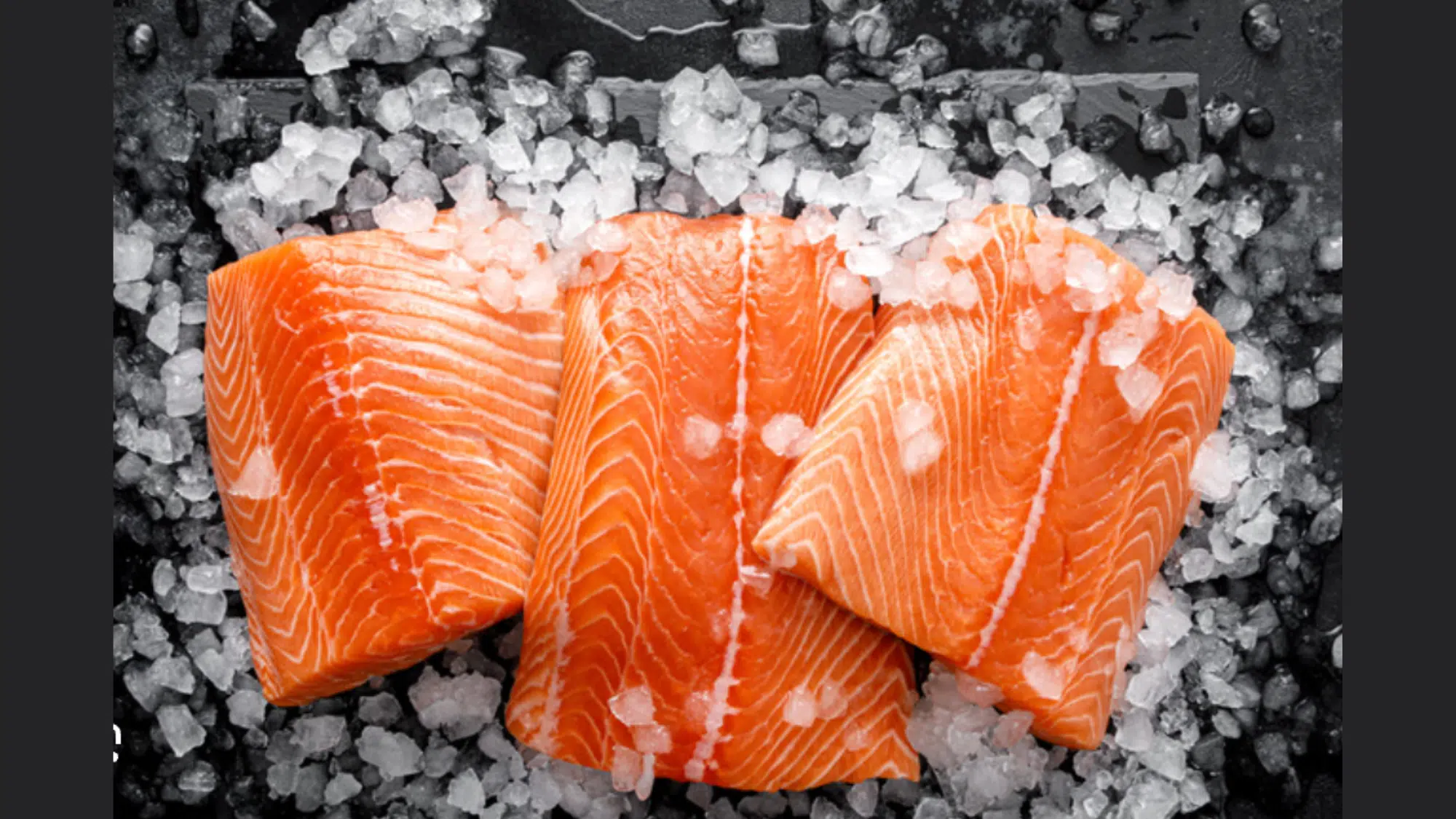
Salmon fillets arranged in radial pattern on ice with fishhook at center
  • July 28, 2026

Hook, Line, and Sinker: Why You’re Misreading Your Seafood Labels

Full post : Hook, Line, and Sinker: Why You’re Misreading Your Seafood Labels
tuna-salad-last-in-fridge
  • July 7, 2026

How Long Does Tuna Salad Last in the Fridge?

Full post : How Long Does Tuna Salad Last in the Fridge?
Chef draining deep fryer oil into stainless steel container in commercial kitchen
  • July 1, 2026

How Seafood Restaurants Recycle Their Used Cooking Oil

Full post : How Seafood Restaurants Recycle Their Used Cooking Oil
How to Meal Plan Around Seafood Without Letting Food Go to Waste
  • June 30, 2026

How to Meal Plan Around Seafood Without Letting Food Go to Waste

Full post : How to Meal Plan Around Seafood Without Letting Food Go to Waste

As seen on

buzzfeed_706c6d
cosmopolitan_706c6d
elpais_706c6d
guardian_main_706c6d
newyorktimes_706c6d
KnowSeaFood Logo Footer
Facebook Instagram Pinterest

Quick Links

  • Cooking Techniques
  • Healthy Seafood Options
  • Seafood Recipe Ideas
  • Seafood Shelf Life & Storage
  • Seafood Types
  • Nutrition & Wellness
  • Kitchen & Home Essentials
  • Garden to Table
  • Cooking Techniques
  • Healthy Seafood Options
  • Seafood Recipe Ideas
  • Seafood Shelf Life & Storage
  • Seafood Types
  • Nutrition & Wellness
  • Kitchen & Home Essentials
  • Garden to Table

Explore

  • About us
  • Blogs
  • Contact us
  • Privacy Policy
  • About us
  • Blogs
  • Contact us
  • Privacy Policy
Facebook Twitter Youtube

©2020-2026 Knowseafood. All rights reserved.

Let’s help you find your next favourite